Quartz countertops have become a staple in modern kitchens and bathrooms, lauded for their stunning aesthetics, durability, and low maintenance.
Their elegant, non-porous surface makes them a dream for busy households.
However, maintaining that pristine look doesn’t require a cabinet full of expensive, harsh commercial cleaners.
In fact, many common household ingredients can be transformed into effective, gentle, and cost-effective DIY solutions to keep your quartz surfaces gleaming.
This post will guide you through simple, natural recipes that will make your quartz sparkle without the worry of damaging chemicals, while also being kind to your wallet and the environment.
Table of Contents
Why Choose Homemade Cleaners for Quartz?
Opting for homemade cleaners for your quartz countertops offers a plethora of advantages.
Firstly, they are significantly more economical than their commercially produced counterparts.
Buying specialized quartz cleaners can add up quickly, especially when you factor in the need for different products for various cleaning tasks.
DIY solutions utilize common pantry staples, drastically reducing your cleaning budget.
Beyond cost, homemade cleaners provide a much-needed reprieve from the harsh chemicals often found in store-bought options.
Many commercial cleaners contain abrasive agents, strong acids, alkalis, or solvents that, while effective on some surfaces, can be detrimental to quartz.
Save this post for later 📩
Not ready to read it all now? Send it to yourself and come back whenever you're ready.
Over time, these aggressive chemicals can degrade the resin binder that holds quartz particles together, leading to dullness, etching, or even permanent damage to the sealant.
This can compromise the non-porous nature of your countertops, making them more susceptible to staining and wear.
The environmental and health benefits of using natural ingredients are also undeniable.
By avoiding potent chemicals, you’re reducing the release of volatile organic compounds (VOCs) into your home’s air, contributing to better indoor air quality.
This is particularly important for households with children, pets, or individuals with respiratory sensitivities.
Furthermore, you’re minimizing your environmental footprint by choosing biodegradable ingredients and reducing plastic waste from single-use cleaning product bottles.
Finally, the cost savings associated with DIY cleaning solutions are a major draw.
Imagine replacing a $10 specialized cleaner with a few cents worth of vinegar or dish soap.
This financial prudence allows you to allocate your budget to other areas of home maintenance or simply enjoy more savings.
Making your own cleaners empowers you with control over the ingredients you use, ensuring both the safety and longevity of your beautiful quartz surfaces.
Understanding Quartz Countertops: What to Avoid
Quartz countertops are a marvel of modern engineering, typically composed of about 90-95% natural quartz crystals mixed with resins and pigments.
This composition creates an incredibly durable, non-porous, and stain-resistant surface.
However, it’s precisely this engineered nature that makes them susceptible to damage from incorrect cleaning methods and products.
To keep your quartz looking its best, it’s crucial to steer clear of certain items.
Abrasive scrubbers, such as steel wool or scouring pads, can scratch the polished surface.
Harsh chemicals like bleach, ammonia, oven cleaners, and highly acidic or alkaline cleaners are major culprits in damaging quartz.
These potent substances can break down the resin binder, leading to discoloration, dull spots, or a loss of shine.
Even seemingly mild products can cause issues if used incorrectly; for instance, leaving a strong acid on the surface for too long can etch it.
Improper cleaning can manifest in several ways.
A dullness can creep in, where the once-brilliant shine of your quartz is replaced by a lackluster appearance.
Etching is another concern, where the surface appears as dull, lighter marks, especially noticeable on darker quartz.
This is a sign that the resin binder has been compromised.
In severe cases, the resin can actually degrade, affecting the structural integrity and appearance of the countertop.
Understanding what to avoid is the first step in ensuring your quartz remains a beautiful and functional centerpiece in your home for years to come.
Gentle Daily Cleaning for Quartz
The secret to maintaining the lustrous appearance of quartz countertops lies in regular, gentle cleaning.
Daily attention prevents spills and grime from setting in, which can make stubborn stains harder to tackle later on.
A quick wipe-down is often all that’s needed to keep your surfaces looking fresh and hygienic.
For fresh spills and everyday messes, prompt action is key.
Whether it’s a splash of coffee, a smear of jam, or crumbs from a snack, addressing them immediately will save you a lot of effort down the line.
This simple habit is the cornerstone of preserving your quartz’s beauty and preventing any potential issues.
Step-by-Step Instructions
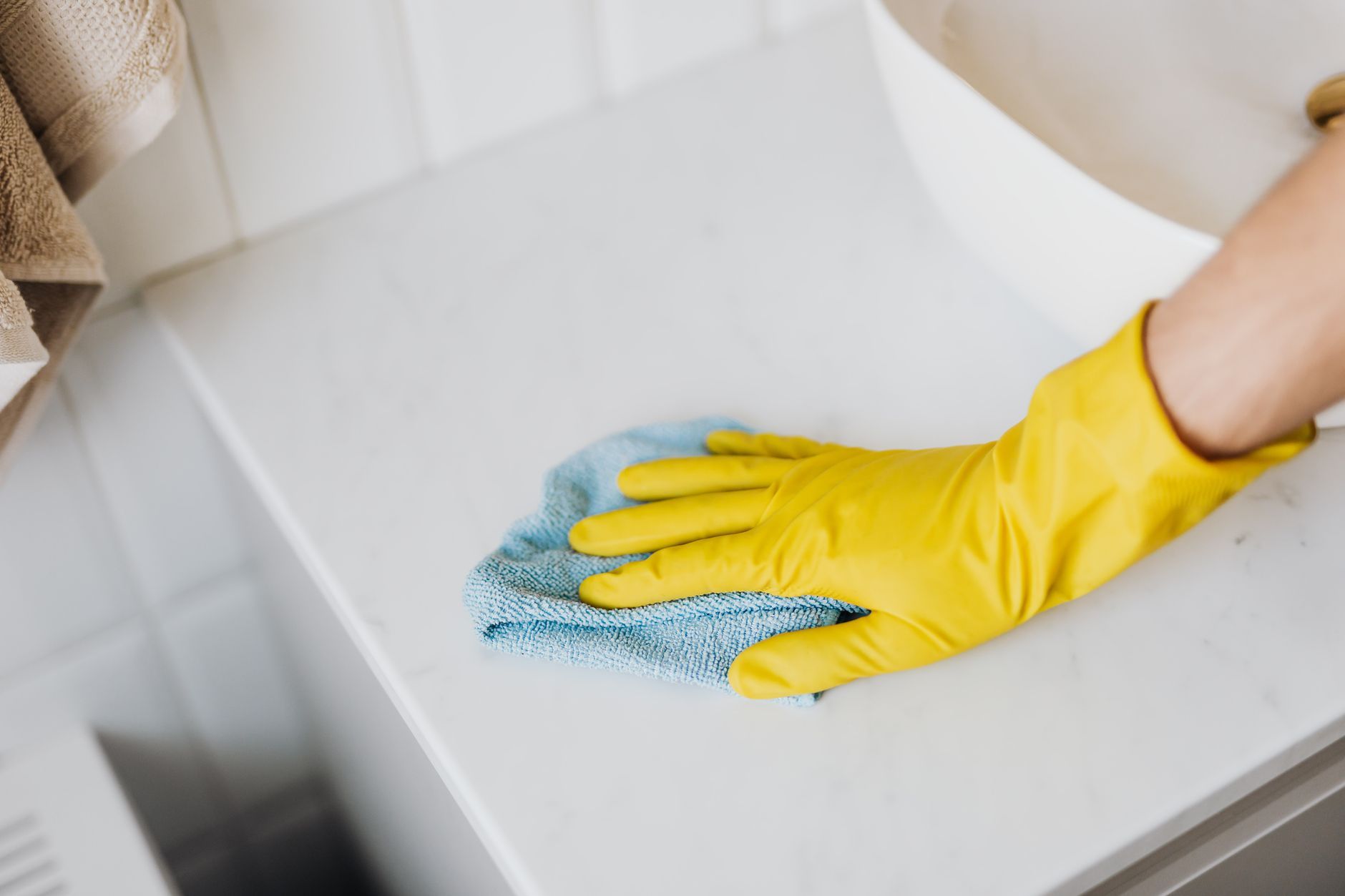
- Wipe down your quartz countertops daily with a soft, damp microfiber cloth. This removes dust, fingerprints, and light food residue.
- For tougher, fresh spills, use a damp cloth with a drop of mild dish soap. Gently wipe the affected area.
- Rinse the area with a clean, damp cloth to remove any soap residue. This prevents streaks and maintains the surface’s shine.
- Dry the surface thoroughly with a clean, dry microfiber cloth to prevent water spots and ensure a polished finish.
All-Purpose Dish Soap and Water Cleaner
One of the simplest and most effective ways to clean your quartz countertops is with a classic combination: mild dish soap and water.
This solution is gentle yet powerful enough to tackle everyday grime and most common spills without any risk of damaging your quartz.
Mild liquid dish soap is ideal for quartz because it’s formulated to cut through grease and lift food particles effectively.
Its non-abrasive nature means it won’t scratch the surface, and when diluted properly, it rinses away cleanly, leaving no residue that could dull the shine.
It’s the workhorse of natural cleaning, perfect for daily maintenance and most cleaning needs.
Step-by-Step Instructions
- Gather your materials: mild liquid dish soap, warm water, and a spray bottle.
- Fill the spray bottle with warm water. Use a good ratio, typically about 16 ounces of water.
- Add a few drops of mild liquid dish soap to the water. You don’t need much – just enough to create a mild lather.
- Shake the bottle gently to combine the ingredients. Avoid vigorous shaking that creates excessive suds.
- Spray the solution directly onto the quartz surface, covering the area you wish to clean.
- Wipe clean with a soft microfiber cloth, working in small sections.
- Rinse the cloth and wipe down the surface again to remove any soap residue. This step is crucial for a streak-free finish.
- Dry the countertop with a clean, dry microfiber cloth. Buffing gently will enhance the shine.
Vinegar and Water Solution for Shine
For an extra boost of sparkle and to tackle mild grease, a diluted white vinegar solution is an excellent homemade cleaner for quartz.
White vinegar, with its mild acidity, is a natural disinfectant and degreaser that can help cut through tough residues and leave your countertops gleaming.
The key to using vinegar on quartz is dilution.
While vinegar’s acidity is beneficial, using it at full strength or too frequently can potentially dull the surface over time.
However, when mixed with water in equal parts, it becomes a safe and effective way to restore shine and tackle common kitchen messes without resorting to harsh chemicals.
Save this post for later 📩
Not ready to read it all now? Send it to yourself and come back whenever you're ready.
This simple solution is a fantastic way to achieve a streak-free, brilliant finish.
Step-by-Step Instructions
- Gather your materials: distilled white vinegar, water, and a spray bottle.
- In the spray bottle, mix equal parts distilled white vinegar and water (e.g., 1 cup vinegar, 1 cup water). For a standard spray bottle, this is a good starting point.
- Spray the solution onto the quartz surface. Ensure even coverage.
- Let it sit for a minute or two for tougher spots or greasy build-up. This allows the vinegar to work its magic.
- Wipe clean with a soft microfiber cloth. You should see grime and grease lifting easily.
- Rinse the area with a clean, damp cloth to remove any vinegar residue. This is important to prevent any potential dulling.
- Dry the countertop thoroughly with a dry microfiber cloth to prevent streaking and enhance the shine. Buffing gently can make a difference.
Baking Soda Paste for Stubborn Stains
When faced with tougher, set-in stains or stubborn, stuck-on grime, a gentle abrasive paste made from baking soda can be your best friend.
Baking soda is a mild alkali that acts as a natural scrubber, effectively lifting stains without the risk of scratching your quartz when used correctly.
The magic of baking soda lies in its fine, powdery texture.
When mixed with water to form a paste, it creates a slightly gritty but non-damaging scrub.
This paste can draw out stains and break down dried-on food particles.
It’s crucial to remember that while baking soda is gentle, avoid aggressive scrubbing; let the paste do the work for you.
This method is particularly effective for common culprits like coffee rings, wine spills, or dried food residues.
Step-by-Step Instructions
- Gather your materials: baking soda, water, and a soft cloth or sponge.
- In a small bowl, mix baking soda with a small amount of water to create a paste consistency (similar to toothpaste). Aim for a spreadable but not runny texture.
- Apply the paste directly to the stain on the quartz. Ensure the entire stained area is covered.
- Let the paste sit on the stain for a few minutes (5-10 minutes for tougher stains). This allows the baking soda to absorb and lift the discoloration.
- Gently rub the stained area with a damp, soft cloth or sponge. Use circular motions and light pressure.
- Wipe away the paste residue with a clean, damp cloth. You may need to rinse the cloth multiple times.
- Rinse the area thoroughly with water to ensure all baking soda is removed.
- Dry the countertop completely with a dry microfiber cloth. This will reveal the clean, stain-free surface.
Isopropyl Alcohol for Disinfection and Shine
For a powerful disinfectant and a streak-free polish, isopropyl alcohol is an excellent choice for your quartz countertops.
It’s highly effective at killing germs and bacteria, making it ideal for kitchens and bathrooms where hygiene is paramount.
Plus, its quick evaporation leaves a remarkably clear and shiny finish without the need for extensive buffing.
Isopropyl alcohol, commonly known as rubbing alcohol, is safe for quartz when used in a diluted solution.
It evaporates quickly, meaning it won’t leave behind moisture that can lead to water spots.
The alcohol acts as a solvent, breaking down residues and leaving the surface looking pristine and sanitized.
It’s a great option for a deep clean or when you want to ensure your countertops are germ-free.
Step-by-Step Instructions
- Gather your materials: isopropyl alcohol (70% or 90%), water, and a spray bottle.
- In the spray bottle, mix one part isopropyl alcohol with three parts water. For example, if you use 1 cup of alcohol, add 3 cups of water.
- Lightly spray the solution onto the quartz surface. A little goes a long way.
- Wipe clean with a soft microfiber cloth. The alcohol will quickly lift grime and sanitize.
- Allow the surface to air dry, or wipe with a dry microfiber cloth for extra shine. The rapid evaporation minimizes streaking.
Handling Tough Stains and Marks
Even with regular cleaning, you might encounter particularly stubborn stains on your quartz countertops.
Thankfully, the homemade solutions we’ve discussed can be tailored to tackle common tough stains effectively.
The key is to act quickly and use the appropriate method.
For oil-based stains, such as grease or cooking oil, the baking soda paste is your best bet.
Apply it generously, let it sit for a longer period (even overnight if necessary), and then gently wipe away.
The absorbent nature of baking soda will draw out the oil.
For colored stains like red wine, coffee, or fruit juice, start with the dish soap and water solution.
If the stain persists, move on to the baking soda paste, allowing it to sit on the stain to lift the color.
For dried-on food or caked-on debris, gently scrape the surface with a plastic scraper – never metal, as it can scratch.
Once the bulk is removed, clean the area with the dish soap and water solution.
Always rinse thoroughly after treating any stain, and dry the surface completely with a microfiber cloth to prevent water marks and ensure a uniform shine.
Patience and the right approach will restore your quartz to its former glory.
Save this post for later 📩
Not ready to read it all now? Send it to yourself and come back whenever you're ready.
Step-by-Step Instructions
- For oil-based stains: Apply the baking soda paste and let it sit for a longer period before wiping clean. Ensure the paste covers the stain completely.
- For colored stains (wine, juice): Use the dish soap and water solution first. If the stain persists, apply the baking soda paste and let it sit for at least 30 minutes.
- For dried-on food: Gently scrape with a plastic scraper (never metal) and then clean with dish soap and water. You might need to use a damp cloth to soften the food first.
- Always rinse thoroughly after treating a stain and dry the surface to prevent water marks and ensure a consistent finish.
Tips for Maintaining Quartz Countertop Appearance
Beyond regular cleaning, a few simple practices can significantly extend the life and enhance the appearance of your quartz countertops.
These preventative measures are crucial for keeping your surfaces looking as stunning as the day they were installed.
Protecting your quartz from heat is paramount.
While quartz is heat-resistant, extreme temperatures can damage the resin binder, leading to discoloration or even cracks.
Always use coasters for hot pots and pans, or trivets to provide a barrier.
Similarly, avoid placing extremely heavy objects directly on the surface without proper support, as this can cause undue stress.
Always clean up spills immediately – this is the single most effective way to prevent stains from setting.
Make it a habit to regularly dust and wipe down the countertops, even if they look clean.
This prevents the accumulation of microscopic particles that can dull the surface over time.
Finally, avoid dragging rough-bottomed items like ceramic dishes or cast-iron pans across the surface, as this can cause scratches.
Step-by-Step Instructions
- Always use coasters for hot pots and pans, or trivets to prevent heat damage. Place them directly on the countertop if placing something hot.
- Avoid placing extremely heavy objects directly on the surface without proper support. Distribute weight evenly where possible.
- Clean up spills immediately to prevent them from setting. Wipe them up as soon as they happen.
- Regularly dust and wipe down the countertops with a soft cloth. This is part of your daily cleaning routine.
- Avoid dragging rough-bottomed items across the surface. Lift items instead of sliding them.
Conclusion
Maintaining the beauty of your quartz countertops doesn’t have to be complicated or expensive.
As we’ve explored, a few simple, natural ingredients can work wonders, offering an effective and gentle way to keep your surfaces sparkling.
By embracing these homemade cleaner recipes, you’re not only saving money but also opting for a healthier and more environmentally friendly approach to home cleaning.
You gain control over the ingredients you use, ensuring the longevity and pristine appearance of your quartz without resorting to harsh chemicals.
With these DIY solutions, keeping your quartz countertops looking their absolute best is achievable, straightforward, and rewarding.
So, go ahead and try these easy recipes! You’ll be amazed at how effectively they clean and how beautiful your quartz surfaces will look.
Enjoy the peace of mind that comes with using safe, natural, and effective cleaning solutions for your home.