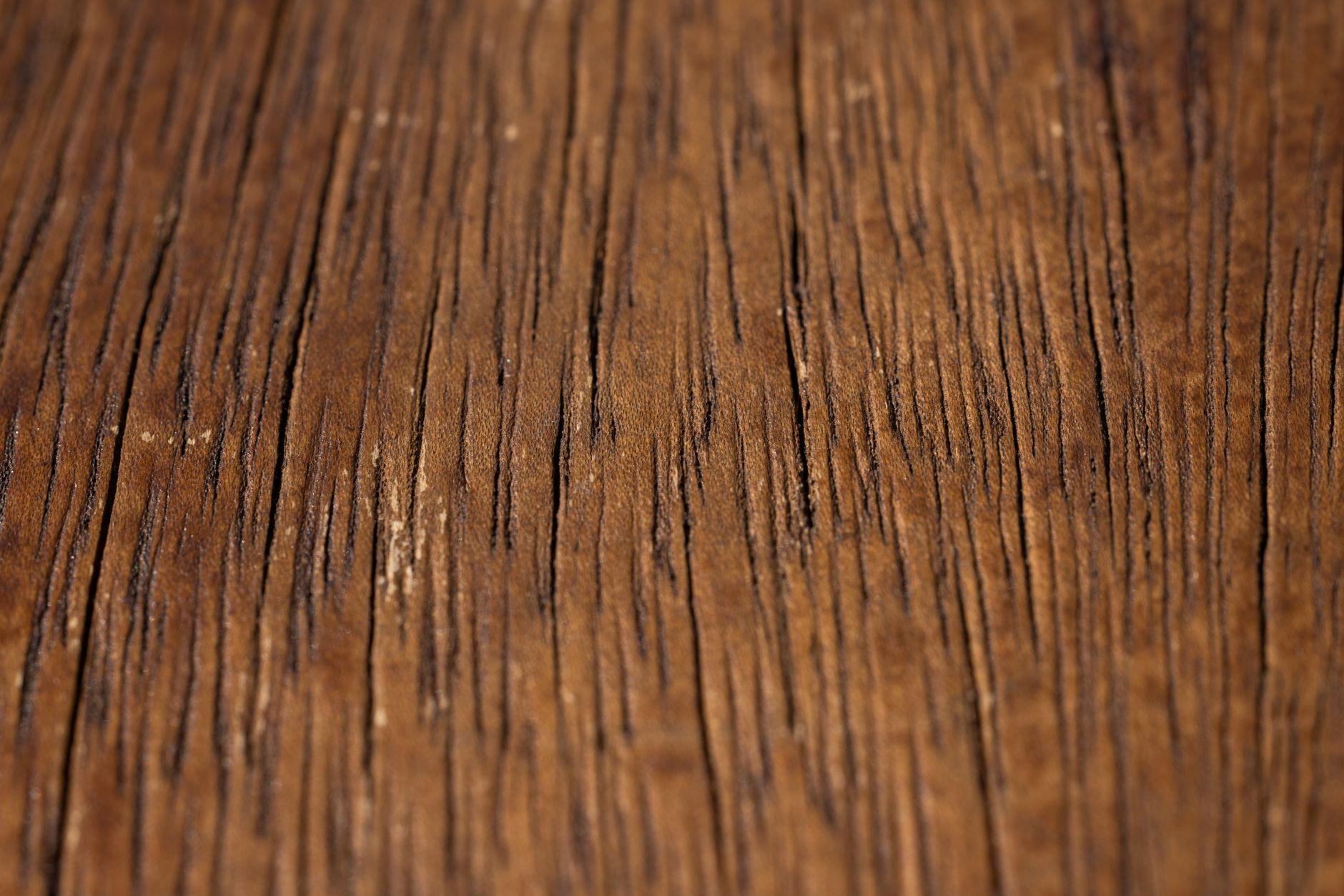

Teak wood, with its rich, warm tones and natural durability, is a beloved choice for outdoor and indoor furniture.
However, like all natural materials exposed to the elements, teak can weather over time, developing a distinguished silvery-grey patina.
While this aging process is natural, sometimes we want to restore its original luster or simply clean away accumulated dirt, grime, and potential mold.
The good news is that you don’t need harsh chemicals to bring your teak furniture back to life.
Homemade cleaners offer a cost-effective, environmentally friendly, and gentle approach to cleaning and protecting your valuable teak pieces.
Get ready to discover simple, everyday ingredients that can work wonders to restore and preserve the natural beauty of your teak.
Table of Contents
Why Clean and Protect Your Teak Furniture?
Teak wood possesses a natural elegance that is highly sought after.
Over time, exposure to sunlight and moisture causes teak to undergo a natural aging process, transforming its color from a golden brown to a soft, silvery-grey patina.
While many appreciate this weathered look, it’s a sign that the wood’s natural oils are diminishing.
Save this post for later 📩
Not ready to read it all now? Send it to yourself and come back whenever you're ready.
However, beauty isn’t the only concern.
Accumulations of dirt, grime, mold, and mildew can settle into the wood’s grain.
This not only dulls the teak’s appearance but can also compromise its structural integrity over time, leading to potential damage and a shorter lifespan for your furniture.
Therefore, regular cleaning and maintenance are crucial.
By proactively caring for your teak, you can preserve its natural oils, prevent the buildup of damaging elements, and ensure its aesthetic appeal remains vibrant for years to come.
Opting for natural cleaning methods over harsh chemical alternatives offers significant benefits.
Not only are these methods gentler on the wood itself, preventing stripping of natural oils or causing discoloration, but they are also better for the environment and safer for you and your family to use, especially in outdoor living spaces.
Understanding Teak Wood and Its Needs
Teak wood is renowned for its exceptional durability and natural water resistance, qualities largely attributed to its high natural oil content.
These oils act as a built-in protective barrier, repelling moisture and preventing rot and insect infestation.
However, prolonged exposure to sunlight and moisture can gradually deplete these essential natural oils.
This depletion can lead to the wood becoming drier, more susceptible to cracking, and the gradual development of that characteristic grey hue.
As a result, teak furniture commonly faces issues such as graying, the appearance of unsightly water spots, and the proliferation of algae or mildew, particularly in damp or shaded environments.
Understanding these vulnerabilities is key to choosing the right cleaning and maintenance approach.
Essential Ingredients for Homemade Teak Cleaners
Fortunately, many effective and safe teak cleaning agents can be found right in your kitchen.
These common household ingredients are powerful yet gentle enough to clean and restore teak without causing harm.
We’ll be utilizing ingredients like mild liquid dish soap, which excels at breaking down grease and grime without stripping essential oils.
Distilled white vinegar offers mild acidity, perfect for tackling mold, mildew, and tougher stains while helping to lift the wood’s natural color.
Baking soda acts as a gentle abrasive, ideal for scrubbing away stubborn dirt and grime.
And for post-cleaning care, natural oils like olive oil, tung oil, or linseed oil are invaluable for replenishing moisture and protecting the wood.
The golden rule when crafting and using homemade teak cleaners is to prioritize gentle, non-abrasive materials and solutions.
Harsh scrubbing or strong chemicals can irrevocably damage the delicate surface of teak wood, so always err on the side of caution.
Gentle Teak Cleaner with Dish Soap
This mild dish soap solution is your go-to for regular maintenance.
It’s perfect for those times when your teak furniture just needs a quick refresh to remove light dirt, dust, and everyday grime that accumulates on surfaces.
The beauty of using mild liquid dish soap lies in its ability to effectively break down surface dirt and oils without being aggressive.
It cleans without stripping away the precious natural oils that keep teak supple and resilient.
Step-by-Step Instructions
- In a clean bucket, combine 1 gallon of warm water with 1 to 2 tablespoons of a mild liquid dish soap. Stir gently to create suds.
- Dampen a soft cloth or sponge with the soapy water. Ensure it’s not dripping wet, but well-moistened.
- Gently wipe down the entire surface of your teak furniture. Always work in the direction of the wood grain to avoid any potential scratches or streaking.
- For any stubborn spots or areas with slightly more ingrained dirt, you may need to use a soft-bristled brush. Apply minimal pressure and continue to follow the wood grain.
- Once you’ve cleaned all surfaces, thoroughly rinse the teak furniture. You can use a garden hose on a gentle setting or a clean cloth dampened with plain water.
- Allow the teak furniture to air dry completely before using it or applying any protective finishes.
Restorative Teak Cleaner with White Vinegar
When your teak furniture shows signs of wear, such as mildew, algae, or tougher stains, this white vinegar solution is your secret weapon.
It works wonders to lift these unwanted blemishes and helps to restore the wood’s natural, vibrant color.
The mild acidity of white vinegar is key here.
It acts as a natural disinfectant, effectively killing mold and mildew spores while also helping to loosen and lift stubborn stains from the wood’s surface, giving it a refreshed appearance.
Save this post for later 📩
Not ready to read it all now? Send it to yourself and come back whenever you're ready.
Step-by-Step Instructions
- In a spray bottle or a clean bucket, mix equal parts of distilled white vinegar and water. For example, use 1 cup of vinegar and 1 cup of water.
- Generously apply the vinegar and water solution to the affected areas of the teak surface. Ensure that the weathered or stained areas are well-covered.
- Allow the solution to penetrate the wood for about 10 to 15 minutes. This dwell time gives the vinegar a chance to work on the stains and growth.
- Using a soft-bristled brush or a non-abrasive scouring pad, gently scrub the treated areas. Always move your brush or pad in the direction of the wood grain.
- Once you’ve scrubbed the affected areas, rinse the furniture thoroughly with clean water to remove all traces of the vinegar solution and loosened grime.
- Let the teak furniture air dry completely. You’ll likely notice a brighter, cleaner appearance.
Deep Cleaning Teak Cleaner with Baking Soda
For those moments when dirt and grime seem deeply embedded, and mildew or stubborn stains are proving difficult, this baking soda paste method is incredibly effective.
It’s designed to tackle the toughest cleaning challenges your teak might face.
Baking soda acts as a gentle abrasive.
This means it can help to lift and scrub away embedded dirt, mold, and mildew without scratching the delicate surface of the teak wood, making it a powerful yet safe deep-cleaning agent.
Step-by-Step Instructions
- In a small bowl, mix baking soda with just enough water to create a thick, spreadable paste. It should have a consistency similar to toothpaste.
- Apply this baking soda paste directly to the areas of the teak furniture that are affected by stubborn grime, mold, or mildew.
- Allow the paste to sit on the stains for approximately 10 to 15 minutes. This resting period allows the baking soda to work on breaking down the tough spots.
- Using a soft brush or a damp cloth, gently scrub the paste into the wood, always following the direction of the wood grain. The gentle abrasion will help lift the dirt.
- Once you’ve scrubbed the paste, rinse the teak furniture thoroughly with clean water, ensuring no baking soda residue remains.
- Allow the teak to air dry completely. You should notice a significant improvement in the cleanliness and appearance of the wood.
Conditioning and Protecting Teak Furniture
After cleaning your teak furniture, it’s crucial to replenish the natural oils that may have been diminished during the cleaning process or by exposure to the elements.
Conditioning not only restores moisture but also creates a protective barrier against future damage.
Using natural oils is the best way to nourish and protect teak.
These oils soak into the wood, providing a deep, long-lasting defense and enhancing the wood’s natural luster.
Recommended oils include tung oil, linseed oil, or even olive oil for a readily available option.
This step is essential for maintaining the wood’s integrity, preventing it from drying out, cracking, and keeping its beautiful color vibrant.
Step-by-Step Instructions
- Ensure that your teak furniture is completely dry to the touch after cleaning. Any residual moisture can prevent the oil from penetrating properly.
- Pour a small amount of your chosen natural oil (tung oil, linseed oil, or olive oil) onto a clean, soft cloth. You don’t need a lot; a little goes a long way.
- Begin to rub the oil into the teak surface. Work it in gently, always following the direction of the wood grain. Ensure an even application.
- Let the oil penetrate the wood for at least 15 to 30 minutes. For optimal results, you can refer to the specific instructions provided by the oil manufacturer, as some may recommend longer absorption times.
- After the oil has had time to soak in, use a clean, dry cloth to wipe off any excess oil from the surface. This prevents stickiness and ensures a smooth finish.
- For enhanced protection and a richer, deeper sheen, consider applying a second coat of oil. This can be done after a few hours or the following day, depending on how quickly the first coat absorbed.
Tips for Effective Teak Cleaning
To ensure the best results and protect your teak furniture, keep these practical tips in mind.
They will help you achieve a sparkling clean and well-maintained piece every time.
Safety first! Always test any new cleaning solution, whether homemade or commercial, on a small, inconspicuous area of your teak furniture before applying it to the entire piece.
This helps you confirm that the solution won’t cause discoloration or damage.
The best times to clean teak are on a cool, overcast day or in a shaded area.
Cleaning in direct, harsh sunlight can cause cleaning solutions to dry too quickly, leading to streaks and watermarks on the wood.
When it comes to tools and materials, always opt for soft, non-abrasive options.
Use soft cloths, sponges, and brushes designed for delicate surfaces.
Avoid steel wool or harsh scrubbing pads, which can scratch the teak.
Respect the grain! Whether you are cleaning, rinsing, or applying conditioners, always work with the natural grain of the wood.
Save this post for later 📩
Not ready to read it all now? Send it to yourself and come back whenever you're ready.
This minimizes the risk of damage and ensures a uniform finish.
Rinse thoroughly after each cleaning step.
Removing all cleaning residue is essential to prevent build-up and potential damage to the wood.
Complete drying is key before applying any protective oils or sealants.
This ensures that the treatments can penetrate effectively and provide maximum protection.
Finally, regular dusting and wiping with a dry cloth can make a significant difference.
This simple habit helps prevent the accumulation of dirt and grime, meaning you’ll need to perform deeper cleaning less frequently, keeping your teak looking its best with minimal effort.
Step-by-Step Instructions
- Always test any new cleaning solution on a small, hidden area of the teak furniture first to ensure it doesn’t cause discoloration or damage.
- Clean teak furniture in a shaded area or on a cloudy day to prevent the cleaning solutions from drying too quickly and leaving streaks.
- Use soft, non-abrasive cloths, sponges, and brushes to avoid scratching the wood surface.
- Always work with the grain of the wood when cleaning and applying conditioners.
- Rinse thoroughly with clean water to remove all cleaning residue.
- Ensure the teak is completely dry before applying any protective oils or sealants.
- Regular dusting and wiping can help prevent the buildup of dirt and grime, making deep cleaning less frequent.
Conclusion
Embracing homemade cleaners for your teak furniture is a rewarding choice that benefits your wallet, your health, and the environment.
You’ve seen how simple ingredients can effectively tackle dirt, grime, and even stubborn stains, leaving your teak looking refreshed and beautiful.
The recipes we’ve explored are not only easy to follow but also remarkably effective.
From regular spruce-ups with dish soap to deep cleans with baking soda and restorative treatments with vinegar, you have a natural arsenal at your fingertips.
By committing to regular cleaning and conditioning, you can ensure your teak furniture remains a source of pride and enjoyment for years to come.
Protect its natural beauty, enhance its durability, and continue to appreciate the timeless elegance of this remarkable wood.