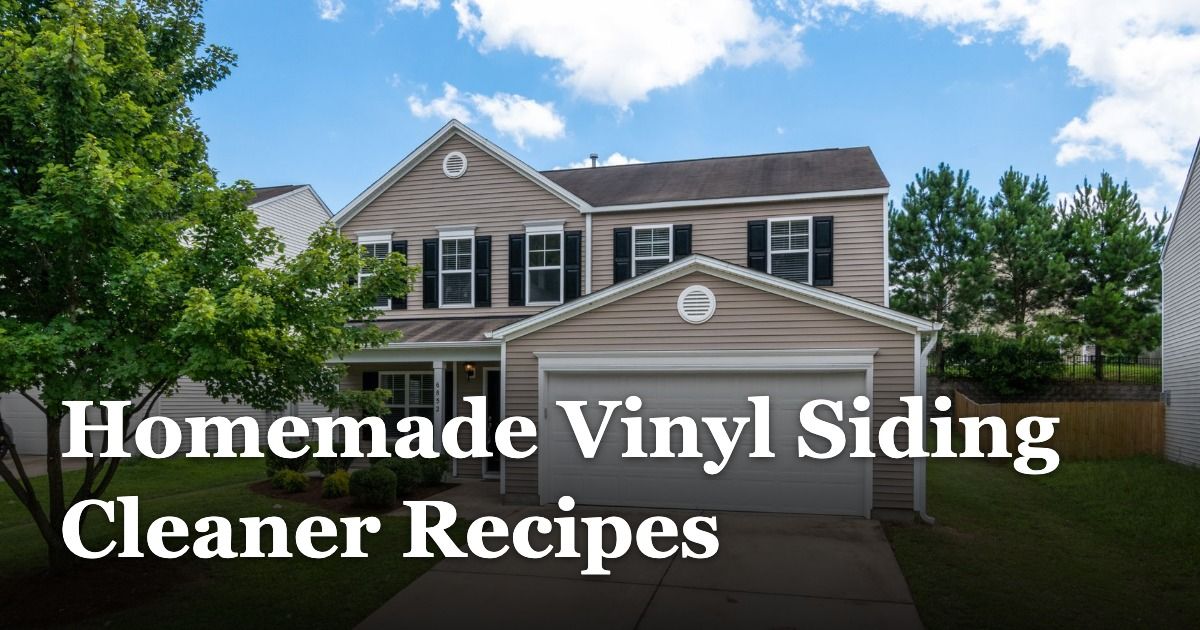
Your home’s vinyl siding is its first line of defense against the elements, but over time, it can accumulate a unsightly collection of dirt, grime, mildew, algae, and even chalking.
This not only detracts from your home’s curb appeal but can also compromise the integrity of the siding itself.
Fortunately, you don’t need expensive or harsh chemical cleaners to restore its shine.
Embracing homemade cleaning solutions offers a cost-effective, eco-friendly, and ingredient-controlled approach to keeping your vinyl siding looking its best.
Not only does regular cleaning enhance your home’s aesthetic, but it also plays a crucial role in extending the longevity of your vinyl, saving you money in the long run.
Table of Contents
Why Clean Your Vinyl Siding?
Dirty vinyl siding can significantly diminish a home’s overall attractiveness, making it appear neglected and less inviting.
Accumulated dirt and grime aren’t just an eyesore; over time, they can create a porous surface that traps moisture.
This trapped moisture can lead to material degradation, weakening the siding and making it more susceptible to damage.
Furthermore, damp, dirty surfaces are prime breeding grounds for mold, mildew, and algae.
These growths are not only unsightly but can also pose health risks to your family and pets.
Regular cleaning acts as a preventative measure, keeping these nuisances at bay.
A well-maintained exterior, with its sparkling clean siding, contributes to a higher perceived property value, making your home more appealing to potential buyers and ensuring it remains a source of pride for you.
Save this post for later 📩
Not ready to read it all now? Send it to yourself and come back whenever you're ready.
The aesthetic impact of dirty vinyl siding cannot be overstated.
It’s the first impression visitors get of your home.
Grime, streaks, and discoloration can make even the most beautiful home look tired and uncared for.
Beyond appearances, the physical buildup of dirt and debris can compromise the vinyl material itself.
This can lead to premature wear and tear, making your siding more vulnerable to damage from weather and pests.
One of the most common issues with vinyl siding is the growth of mold, mildew, and algae, especially in damp or shaded areas.
These organic growths are not only unsightly but can also contribute to respiratory problems for occupants.
Investing a little time in cleaning your vinyl siding can significantly boost your home’s marketability and overall attractiveness, contributing to a better return on investment.
Safety First: Preparing for Siding Cleaning
Before you even mix your first cleaning solution, prioritizing safety is paramount.
Always wear protective gear to safeguard yourself from cleaning agents and debris.
This includes durable gloves to protect your skin, eye protection (goggles or safety glasses) to prevent splashes from irritating your eyes, and appropriate clothing that you don’t mind getting dirty or potentially stained.
It’s also wise to check the weather forecast.
Avoid cleaning on extremely hot, sunny days, as the sun can dry your cleaning solutions too quickly, leaving streaks.
Windy conditions can also be problematic, blowing debris and making it harder to control your cleaning solutions.
Protecting the delicate ecosystem around your home is another crucial step.
Surrounding plants and landscaping can be damaged by cleaning solutions.
Either cover them thoroughly with tarps or plastic sheeting or water them down extensively before you begin cleaning; this dilutes any cleaning agents that may reach them.
Finally, for electrical safety, always turn off outdoor electrical outlets and cover any exposed light fixtures to prevent water from entering and causing damage or electrical hazards.
Gather all necessary cleaning supplies, including buckets, brushes (soft-bristle is best), cloths, sponges, and your chosen homemade cleaning solutions.
Have a garden hose with a spray nozzle ready for rinsing.
Put on protective gloves, eye goggles, and wear old clothing that can get dirty.
Consider a hat to protect your face from drips.
Cover any nearby plants, shrubs, or flower beds with tarps or plastic sheeting to protect them from cleaning solutions and overspray.
Ensure any outdoor electrical outlets or light fixtures are covered with plastic bags or waterproof tape to prevent water damage.
Step-by-Step Instructions
- Gather all necessary cleaning supplies, including buckets, brushes, cloths, and your chosen cleaning solutions.
- Put on protective gloves, eye goggles, and wear old clothing that can get dirty.
- Cover any nearby plants, shrubs, or flower beds with tarps or plastic sheeting.
- Ensure any outdoor electrical outlets or light fixtures are covered to prevent water damage.
Gentle Yet Effective: Dish Soap and Water Method
For everyday dirt and grime, the simplest solution is often the best.
The dish soap and water method is your go-to for routine cleaning and maintaining that fresh, clean look.
Liquid dish soap acts as a mild detergent, effectively lifting surface dirt, dust, and light grease without the harshness that could damage your vinyl siding.
This method is gentle, making it ideal for regular upkeep and ensuring your siding looks its best throughout the year.
It’s incredibly easy to prepare and use, making it a favorite for homeowners looking for a quick and effective clean.
This method is perfect for light maintenance cleaning and keeping your siding looking pristine without the need for harsh chemicals.
Dish soap is formulated to break down grease and grime, making it an excellent mild degreaser for exterior surfaces.
It’s important for routine cleaning to prevent the buildup of more stubborn stains.
The goal here is to keep your siding looking its best with minimal effort and cost.
Step-by-Step Instructions
- Fill a bucket with warm water.
- Add a few tablespoons of liquid dish soap to the water and stir to create suds.
- Dip a soft-bristle brush or a sponge into the soapy water.
- Gently scrub the vinyl siding in small sections, working from bottom to top to avoid streaks.
- Rinse each section thoroughly with clean water from a garden hose.
- Allow the siding to air dry.
Tackling Grime: White Vinegar Solution
When faced with more stubborn grime, mildew, or mineral deposits, white vinegar steps in as a powerful yet natural ally.
Its inherent acidic properties are excellent at breaking down these tough residues without resorting to harsh chemicals.
White vinegar is not only effective against a variety of common siding stains but also stands out as an eco-friendly choice for your home cleaning arsenal.
It’s a fantastic way to tackle dullness and discoloration, restoring the vibrancy of your vinyl.
Its natural deodorizing qualities are an added bonus.
This solution is excellent for breaking down soap scum, hard water stains, and general atmospheric grime.
Vinegar is a natural disinfectant and can help kill mold and mildew spores on contact.
It’s a great option for homeowners who want to avoid chemical cleaners and opt for more natural alternatives.
The slightly acidic nature of vinegar helps to loosen dirt and stains, making them easier to scrub away.
Step-by-Step Instructions
- In a spray bottle or bucket, mix equal parts distilled white vinegar and warm water.
- For stubborn stains, you can use a slightly stronger vinegar-to-water ratio (e.g., 2 parts vinegar to 1 part water), but test in an inconspicuous area first.
- Spray the solution directly onto the vinyl siding or apply with a sponge or cloth.
- Let the solution sit for 5-10 minutes to allow it to work on the grime.
- Scrub the siding gently with a soft-bristle brush.
- Rinse thoroughly with clean water from a hose.
- Allow to air dry.
For Tough Stains: Baking Soda Paste
For those really persistent marks, like chalking, paint splatters, or light mildew patches that resist other methods, baking soda offers a gentle yet effective solution.
Save this post for later 📩
Not ready to read it all now? Send it to yourself and come back whenever you're ready.
Known for its mild abrasive and deodorizing properties, baking soda can work wonders without scratching the delicate surface of your vinyl siding.
By creating a simple paste, you can apply it directly to the stain, allowing its gentle scrubbing action to lift away discoloration and grime.
This DIY approach is perfect for targeted stain removal, giving your siding a renewed lease on life.
Baking soda is a mild abrasive that can scrub away stains without scratching the surface of the vinyl.
It’s particularly effective for removing chalking, which is common on older vinyl siding.
The paste form allows for targeted application on stubborn spots.
Baking soda’s natural deodorizing properties can also help eliminate any lingering musty odors from mildew.
This is an excellent option for localized cleaning needs.
Step-by-Step Instructions
- In a bowl, mix baking soda with a small amount of water to form a thick paste.
- Apply the paste directly to the stained areas of the vinyl siding using a cloth or sponge.
- Gently scrub the paste into the stain using a soft-bristle brush.
- Allow the paste to sit on the stain for about 10-15 minutes.
- Rinse the area thoroughly with clean water from a hose.
- Allow to air dry.
Natural Power: Oxygen Bleach Solution (for Mildew and Algae)
When tackling stubborn mildew and algae, oxygen bleach is your best friend.
Unlike chlorine bleach, which can be harsh and damaging, oxygen bleach is a color-safe alternative that effectively breaks down organic stains without compromising the integrity or color of your vinyl siding.
It’s a powerful cleaner that targets and eliminates those unsightly green and black patches that often plague shaded areas.
Using oxygen bleach is a smart way to restore your siding’s appearance while being mindful of its composition and the environment.
Always follow the product’s instructions carefully for the best and safest results.
Oxygen bleach is a safer and more environmentally friendly alternative to chlorine bleach for cleaning vinyl siding.
It is highly effective at breaking down and removing mold, mildew, and algae stains.
It’s color-safe and won’t damage the pigment of your vinyl siding.
This solution is ideal for tackling significant organic growth and discoloration.
Always read and follow the manufacturer’s instructions for the specific product you are using.
Step-by-Step Instructions
- Follow the manufacturer’s instructions on the oxygen bleach packaging for dilution ratios.
- Typically, you’ll mix the powdered oxygen bleach with warm water in a bucket until it dissolves.
- Apply the solution to the affected areas of the vinyl siding using a garden sprayer or a sponge.
- Allow the solution to dwell on the siding for the time recommended on the product label (usually 10-20 minutes).
- Gently scrub any remaining mildew or algae with a soft-bristle brush.
- Rinse the siding thoroughly with clean water from a hose.
- Allow to air dry.
Rinsing and Drying Techniques
The job isn’t finished once you’ve scrubbed! Thorough rinsing is a critical step that many overlook.
It ensures that all traces of cleaning solution and loosened dirt are washed away, preventing unsightly streaks and deterring future dirt accumulation.
Using a garden hose with a spray nozzle set to a strong but not damaging stream is the most effective way to rinse.
Start from the top of your house and work your way down, ensuring you cover every section.
Pay special attention to nooks and crannies where water might linger.
While air drying is generally preferred for a streak-free finish, avoid the temptation to wipe down the siding with cloths, as this can often create more streaks than it prevents.
Let the natural drying process do its work.
Proper rinsing is essential to remove all cleaning residue, which can leave behind streaks or attract more dirt.
Use a garden hose with a spray nozzle to effectively rinse away cleaning solutions and loosened debris.
Work systematically from the top of the house downwards to ensure complete coverage.
Ensure no cleaning product is left to dry on the surface, as this can cause discoloration or damage.
Allow the vinyl siding to air dry completely for a spotless finish.
Avoid the urge to wipe it down, as this can cause streaks.
Step-by-Step Instructions
Save this post for later 📩
Not ready to read it all now? Send it to yourself and come back whenever you're ready.
- Starting from the top of the house, thoroughly rinse the siding with a garden hose to remove all traces of cleaning solution and loosened dirt.
- Work in sections, ensuring no cleaning product is left to dry on the surface.
- Pay attention to crevices and areas where water might pool.
- Allow the vinyl siding to air dry completely. Avoid wiping it down with cloths, as this can cause streaks.
Preventative Measures and Maintenance
Keeping your vinyl siding looking great doesn’t have to involve constant deep cleaning.
A few simple preventative measures and regular light maintenance can significantly reduce the need for intensive scrubbing.
The key is consistency: a quick rinse or wipe-down every few months is far easier than tackling a year’s worth of buildup.
Consider trimming overhanging branches from trees; they not only shed leaves and debris that can clog gutters but also their sap can be sticky and attract dirt.
Ensuring proper drainage away from your foundation is also crucial, as standing water can encourage mold and mildew growth.
Don’t forget to check for and clean clogged gutters regularly.
Overflowing gutters can direct water down your siding, leading to water stains and increased wear and tear.
Proactive care ensures your vinyl siding remains in pristine condition for years to come.
Regular light cleaning, such as rinsing with a hose, can prevent the buildup of dirt and grime.
Trim overhanging tree branches to reduce the amount of debris (leaves, sap) that falls onto your siding.
Ensure proper grading and drainage around your home’s foundation to prevent water from accumulating near the siding.
Clean your gutters regularly to prevent water from overflowing and staining your siding.
Conclusion
As we’ve explored, maintaining clean vinyl siding is achievable, affordable, and environmentally conscious with simple homemade solutions.
From the everyday effectiveness of dish soap and water to the stain-fighting power of vinegar and baking soda, you have a variety of gentle yet effective options at your disposal.
By embracing these DIY cleaning recipes, you not only enhance your home’s curb appeal and protect your investment but also contribute to a healthier living environment.
Remember, a little regular care goes a long way in preserving the beauty and longevity of your vinyl siding.
So, roll up your sleeves and enjoy the satisfaction of a sparkling clean home, powered by nature’s best ingredients! DIY home maintenance has never been so rewarding.
Homemade cleaners offer a cost-effective and eco-friendly way to keep your vinyl siding looking its best.
The methods discussed are simple, easy to implement, and use readily available household ingredients.
Regular cleaning and maintenance will not only improve your home’s appearance but also extend the life of your vinyl siding.
Empower yourself with these DIY solutions and enjoy a cleaner, more beautiful home.