
Making your own soap can be a rewarding experience, allowing you to control the ingredients and create luxurious bars for your home.
These recipes focus on using natural ingredients like lard and tallow, known for their moisturizing properties and ability to create a rich, creamy lather.
Dive into the world of homemade soap with these straightforward guides, perfect for both beginners and experienced crafters.
Table of Contents
1. Rich Lard Soap with Goat Milk and Essential Oils
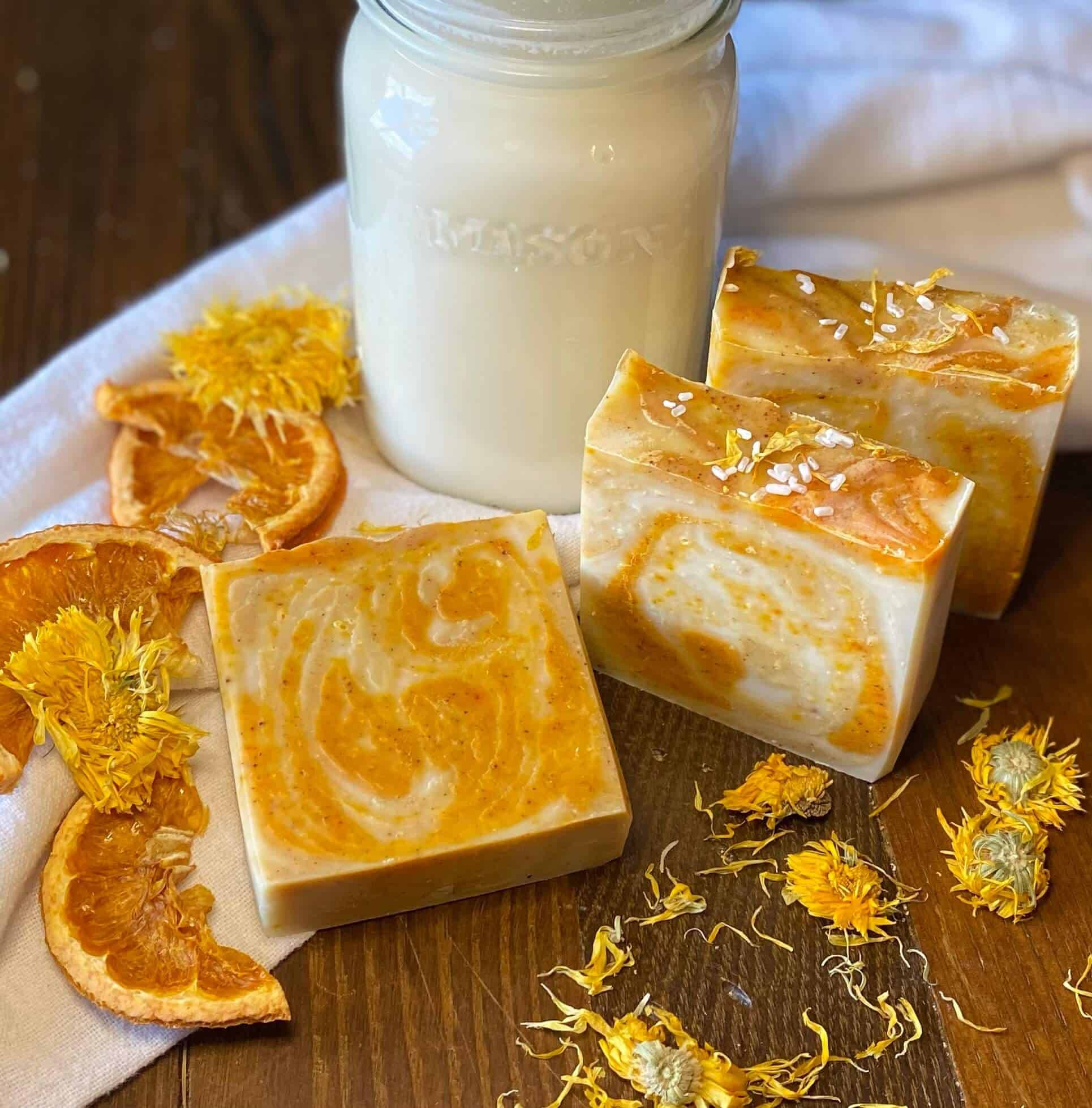
This 100% lard soap recipe creates a bar with a wonderfully creamy and rich lather that leaves your skin feeling clean and supple.
It's a fantastic way to use up kitchen scraps and transform them into something useful and luxurious.
The addition of goat milk adds a touch of extra nourishment, while essential oils provide a delightful scent.
Key Ingredients:
- Rendered Pork Fat (Lard)
- Lye
- Distilled Water
- Goat Milk
- Kaolin Clay
- Essential Oil(s)
Benefits:
- Creamy and Rich Lather
- Nourishing
- Utilizes Kitchen Scraps
Pro Tip: If you don't have goat milk, you can substitute it with water for a similar outcome, just remember to adjust the lye amount accordingly.
Get the Recipe: Rich Lard Soap with Goat Milk and Essential Oils
2. Lard and Loofah Exfoliating Soap

This palm-free soap recipe cleverly uses rendered bacon grease (a type of lard) to create a firm bar with a stable lather.
It features shredded loofah for gentle exfoliation, adding a lovely scrubby texture to your cleansing routine.
The blend of essential oils, like bergamot and black pepper, gives it a refreshing aroma.
Key Ingredients:
- Lard (rendered bacon grease)
- Olive Oil
- Coconut Oil
- Sodium Hydroxide (Lye)
- Distilled Water
- Bergamot Essential Oil
- Black Pepper Essential Oil
- Carrot Puree
- Shredded Loofah
Benefits:
- Exfoliating
- Firm and Long-Lasting Bar
- Stable Lather
Pro Tip: Adding a teaspoon of sodium lactate to the cooled lye water can help create a harder bar of soap that releases from the mold faster.
Get the Recipe: Lard and Loofah Exfoliating Soap
3. Simple Lard Soap with Essential Oils
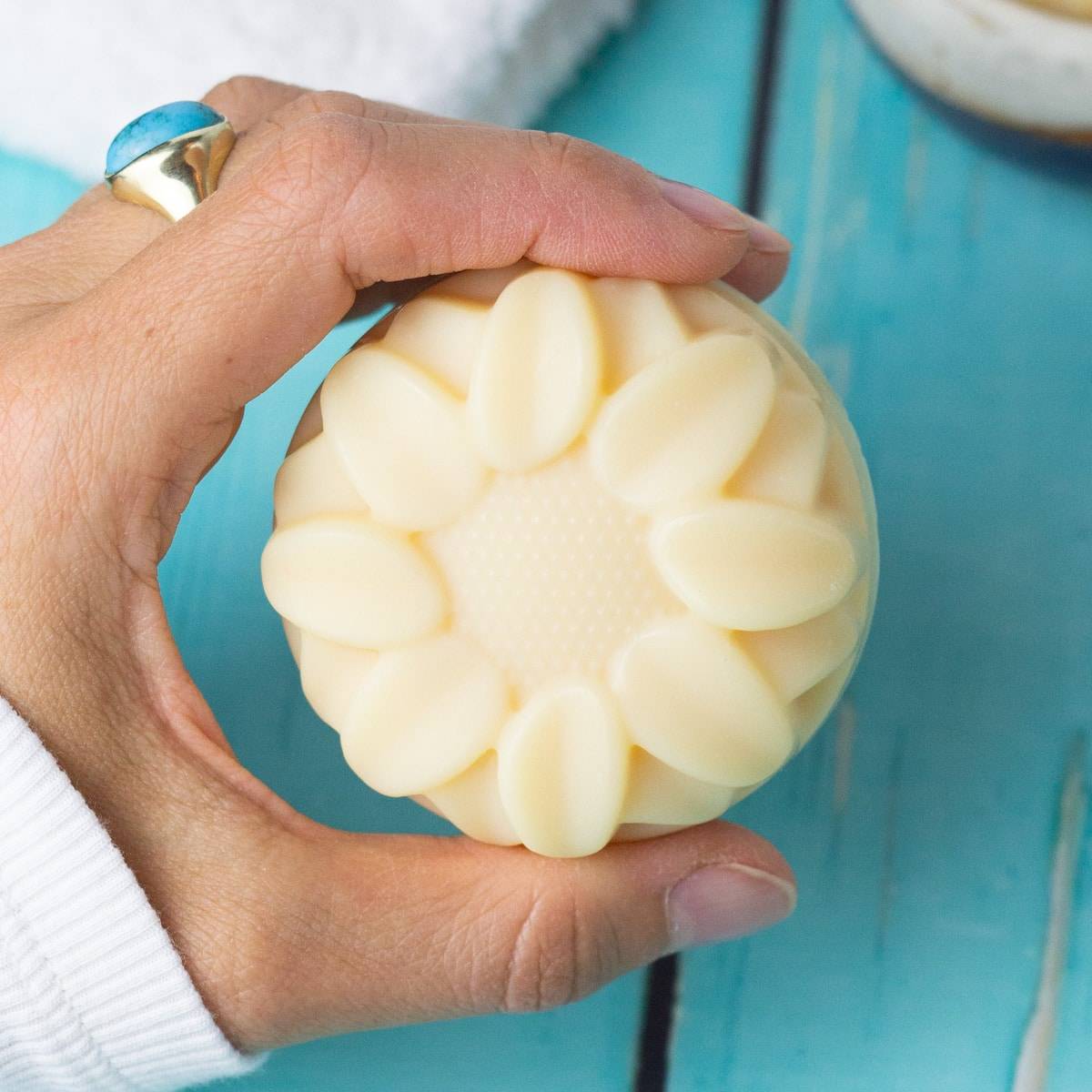
This easy-to-make lard soap recipe is perfect for beginners and utilizes inexpensive ingredients to create a beautiful, moisturizing bar.
Lard is known for its creamy lather and conditioning properties, making it great for sensitive skin.
Adding essential oils like lemongrass and cedarwood provides a pleasant, natural scent.
Key Ingredients:
- Lard
- Coconut Oil
- Olive Oil
- Lye (Sodium Hydroxide)
- Distilled Water
- Lemongrass Essential Oil
- Cedarwood Essential Oil
Benefits:
- Moisturizing
- Gentle on Skin
- Inexpensive to Make
Pro Tip: Ensure your lye solution and melted oils are close in temperature (ideally within 10 degrees Fahrenheit) before combining them to achieve the best soaping results.
Get the Recipe: Simple Lard Soap with Essential Oils
4. Quick Hot Process Soap with Greek Yogurt
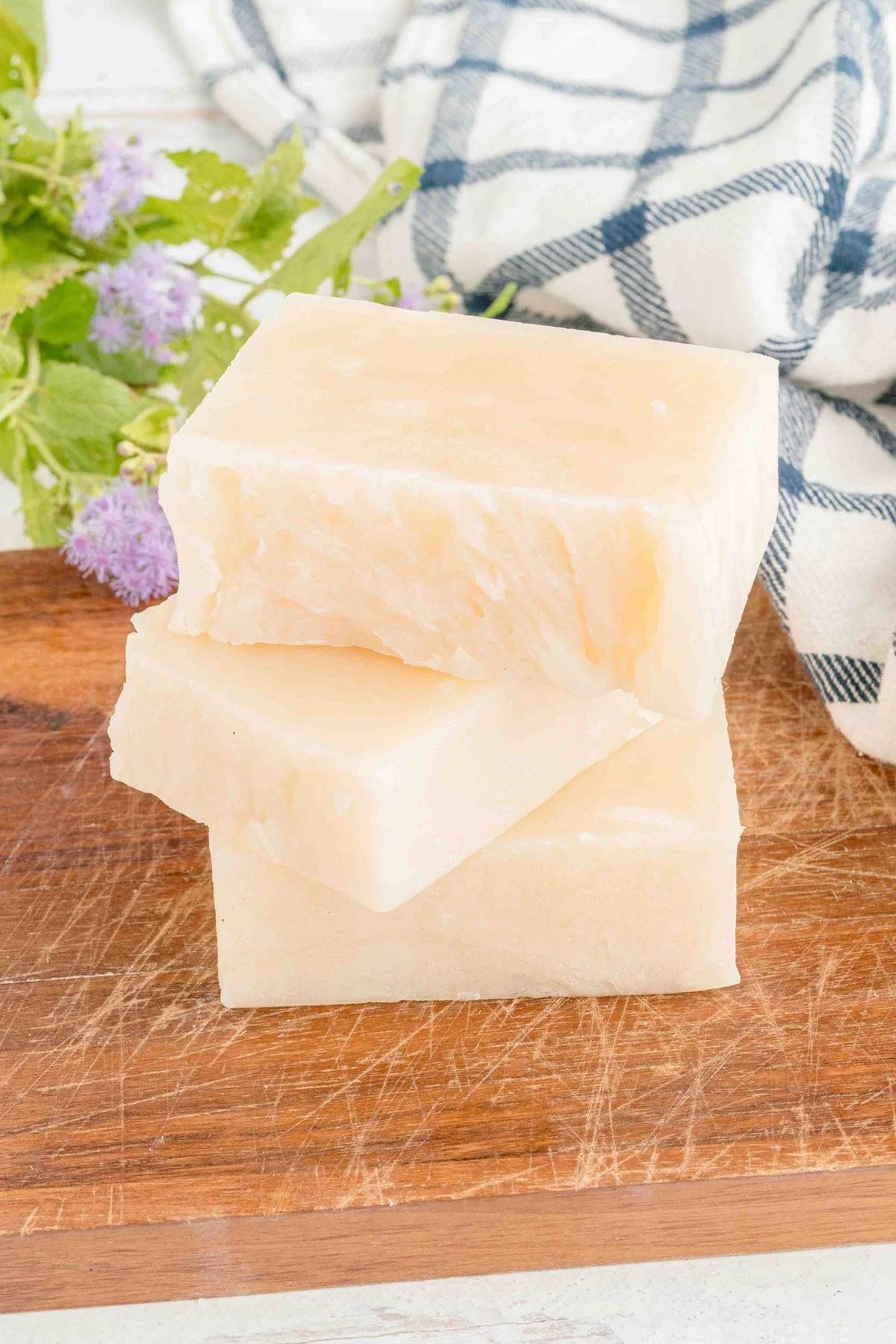
This hot process soap recipe is perfect for those who want a moisturizing bar ready in just a few days, skipping the long curing time of cold process soap.
The inclusion of Greek yogurt adds extra hydration, while the blend of avocado, coconut, and palm oils creates a lovely lather.
It's an easy and rewarding way to make your own soap.
Key Ingredients:
- Water
- Lye
- Avocado Oil
- Coconut Oil
- Palm Oil
- Greek Yogurt
Benefits:
- Ready to Use Quickly
- Moisturizing
- Simple to Make
Pro Tip: Add essential oils or fragrance oils after the soap has cooled to around 180°F to prevent the scent from evaporating during the cooking process.
Get the Recipe: Quick Hot Process Soap with Greek Yogurt
5. Masculine Hot Process Soap with Clay and Botanicals

This hot process soap recipe is a real crowd-pleaser, especially with its alluring blend of cedarwood, cinnamon, and lemongrass essential oils.
Colored with natural spices for a rustic look, it offers a deeply moisturizing and wonderfully lathering bar.
It's perfect for a gift or for pampering yourself with a truly unique scent.
Key Ingredients:
- Lye
- Water
- Cedarwood Essential Oil
- Cinnamon Essential Oil
- Lemongrass Essential Oil
- French Pink Clay
- Organic Lavender Flowers
Benefits:
- Deeply Moisturizing
- Invigorating Scent
- Natural Colorants
Pro Tip: For a melt-and-pour option, you can use the same scent and color combinations from this recipe if you prefer to avoid working with lye.
Get the Recipe: Masculine Hot Process Soap with Clay and Botanicals
6. Moisturizing Lard Soap with Coconut Oil and Mango Butter
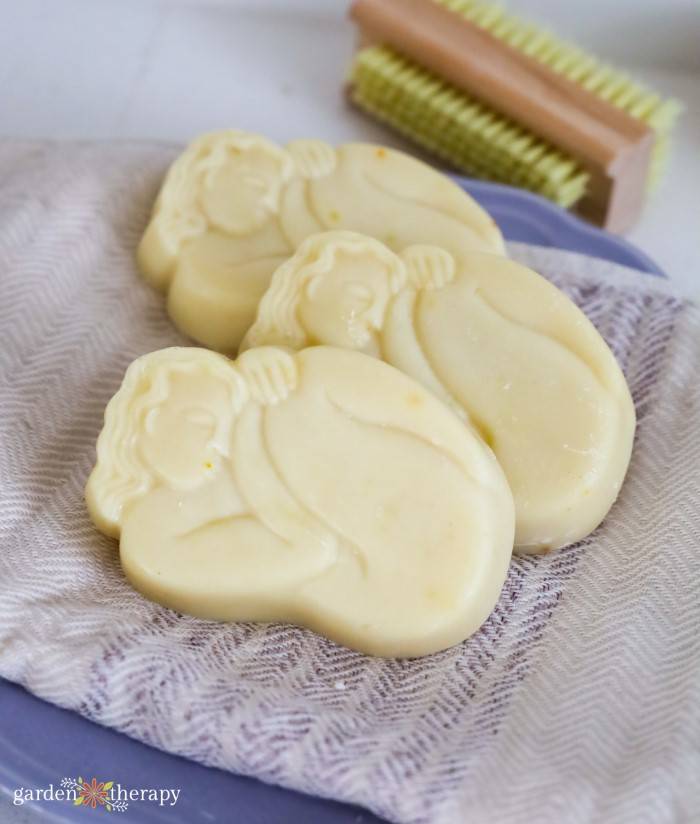
This lard soap recipe is designed to be ultra-accessible and cost-effective, creating a creamy, moisturizing bar with excellent lather.
The addition of coconut oil and mango butter enhances its conditioning properties, making it perfect for dry skin.
Essential oils like bergamot and grapefruit add a refreshing scent, masking any slight fatty aroma.
Key Ingredients:
- Lard
- Coconut Oil
- Mango Butter
- Lye
- Water
- Essential Oils (e.g., Bergamot, Grapefruit)
Benefits:
- Highly Moisturizing
- Creamy Lather
- Long-Lasting Bars
Pro Tip: Lard is very compatible with our skin and has a similar pH, making this soap mild and moisturizing without clogging pores.
Get the Recipe: Moisturizing Lard Soap with Coconut Oil and Mango Butter
7. Lavender, Rosemary, and Vanilla Hot Process Soap
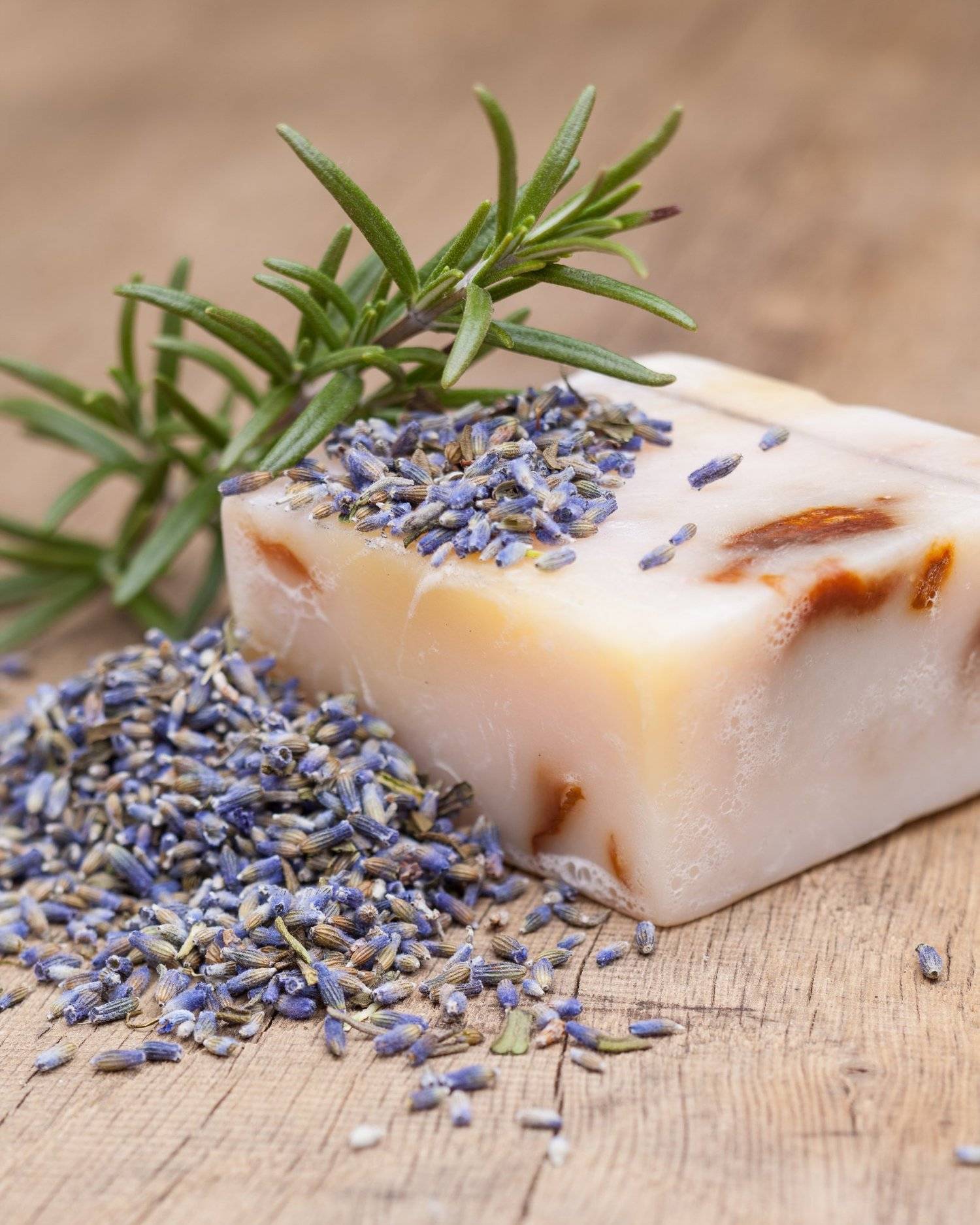
Experience the calming benefits of lavender, the clarity-boosting properties of rosemary, and the soothing touch of vanilla with this delightful hot process soap.
Infused with French pink clay for slip and organic lavender flowers for gentle exfoliation, this soap offers an amazing lather and leaves your skin feeling soft and nourished.
Key Ingredients:
- Oils
- Lye
- Water
- Lavender Essential Oil
- Rosemary Essential Oil
- Vanilla
- French Pink Clay
- Organic Lavender Flowers
Benefits:
- Calming and Soothing
- Gentle Exfoliation
- Amazing Lather
Pro Tip: This hot process method allows you to use the soap almost immediately, making it a great choice when you're short on time.
Get the Recipe: Lavender, Rosemary, and Vanilla Hot Process Soap
8. Spearmint, Frankincense & Eucalyptus Hot Process Soap
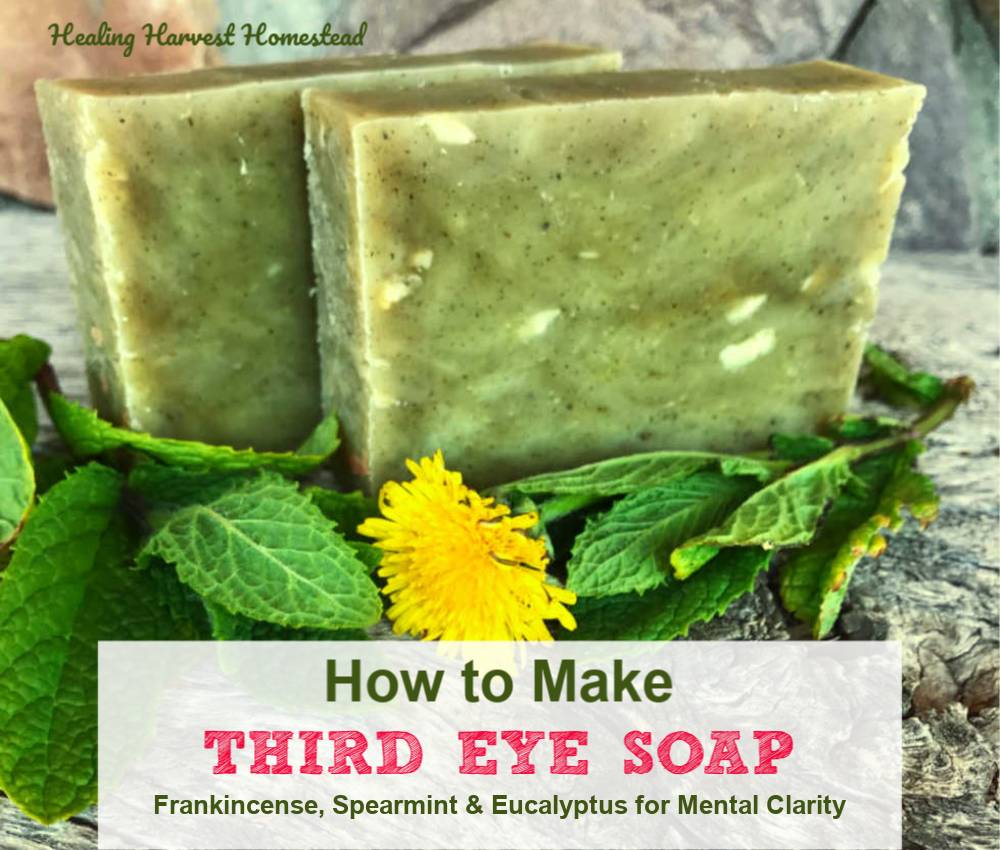
This hot process soap recipe is a delightful blend of spearmint, frankincense, and eucalyptus, creating a wonderfully refreshing and invigorating cleanse.
The hot process method means you can use this natural soap relatively quickly after it's made.
It's designed to be a step-by-step guide for crafting your own handmade soap with beneficial essential oils.
Key Ingredients:
- Spearmint Essential Oil
- Frankincense Essential Oil
- Eucalyptus Essential Oil
- Nettle Powder
Benefits:
- Invigorating Scent
- Refreshing Cleanse
- Natural Ingredients
Pro Tip: Always wear safety gloves and glasses when working with lye, as it's a caustic substance.
Get the Recipe: Spearmint, Frankincense & Eucalyptus Hot Process Soap
9. Gentle Honey Bastille Hot Process Soap
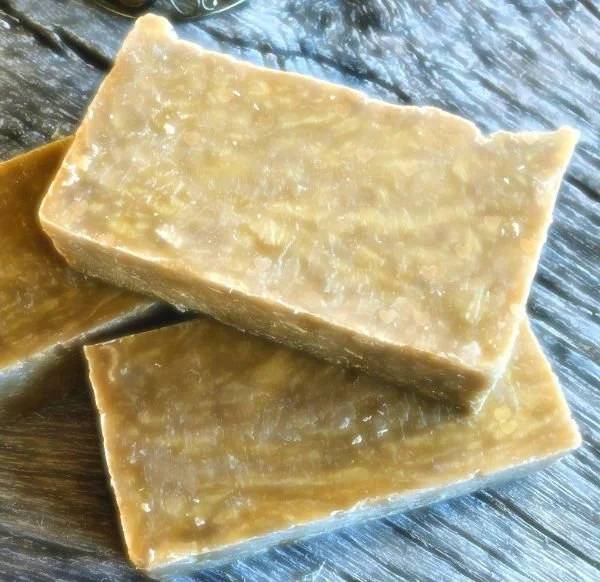
This hot process Bastille soap is a wonderfully gentle option, perfect for sensitive skin and babies.
It features a high olive oil content for a soothing feel, enhanced with the skin-loving benefits of honey.
Scented with calming lavender essential oil and a touch of vanilla, it's a mild yet effective natural soap.
Key Ingredients:
- Olive Oil
- Honey
- Lavender Essential Oil
- Vanilla
Benefits:
- Gentle on Skin
- Soothing
- Moisturizing
Pro Tip: While coconut oil can help with lather, this recipe is made without it, making it a great alternative for those with coconut oil sensitivities.
Get the Recipe: Gentle Honey Bastille Hot Process Soap
10. Easy Crock Pot Hot Process Soap
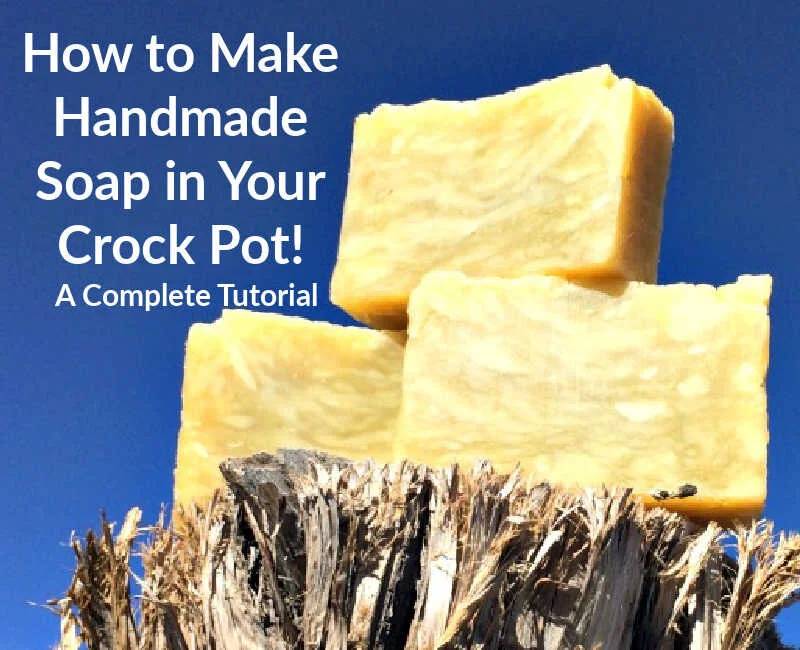
This recipe offers a straightforward introduction to making natural soap right in your crock pot.
The hot process method speeds things up, allowing you to enjoy your handmade soap much sooner than with cold process.
It’s a fantastic way to get started with crafting your own bars from scratch, focusing on simplicity and immediate usability.
Key Ingredients:
- Various Natural Oils
- Lye
- Water
Benefits:
- Quick to Use
- Natural Ingredients
- Easy to Make
Pro Tip: Keep your soap-making tools separate from your food preparation tools to ensure safety, as lye is a caustic substance.
Get the Recipe: Easy Crock Pot Hot Process Soap
11. Rosemary Mint Natural Soap
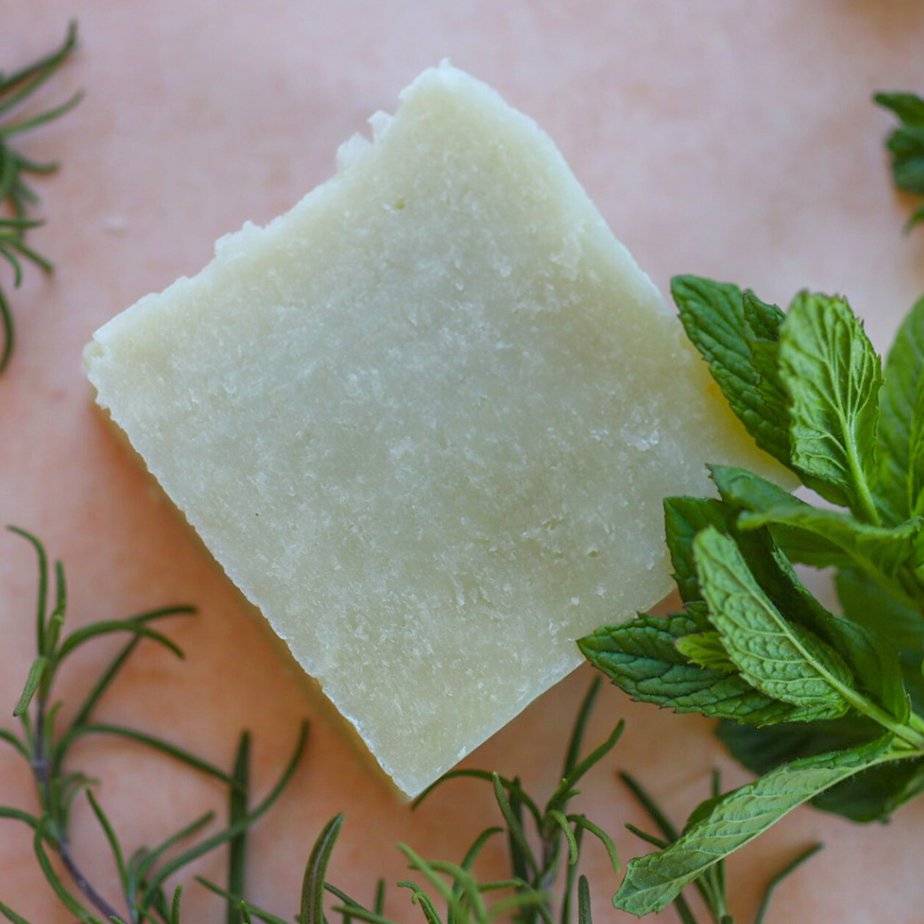
Experience the invigorating blend of rosemary and mint with this natural soap recipe.
It’s designed to be beginner-friendly, offering a refreshing scent and great lather that many people love.
The recipe highlights the historical uses of rosemary for skin health and beauty, making each wash a little journey into natural wellness.
Key Ingredients:
- Rosemary Essential Oil
- Peppermint Essential Oil
- Various Natural Oils
Benefits:
- Refreshing Scent
- Great Lather
- Supports Skin Health
Pro Tip: While essential oils can be swapped out, avoid substituting different oils in the recipe, as the lye amount is precisely calculated for the specified ingredients.
Get the Recipe: Rosemary Mint Natural Soap
12. Moisturizing Hot Process Soap
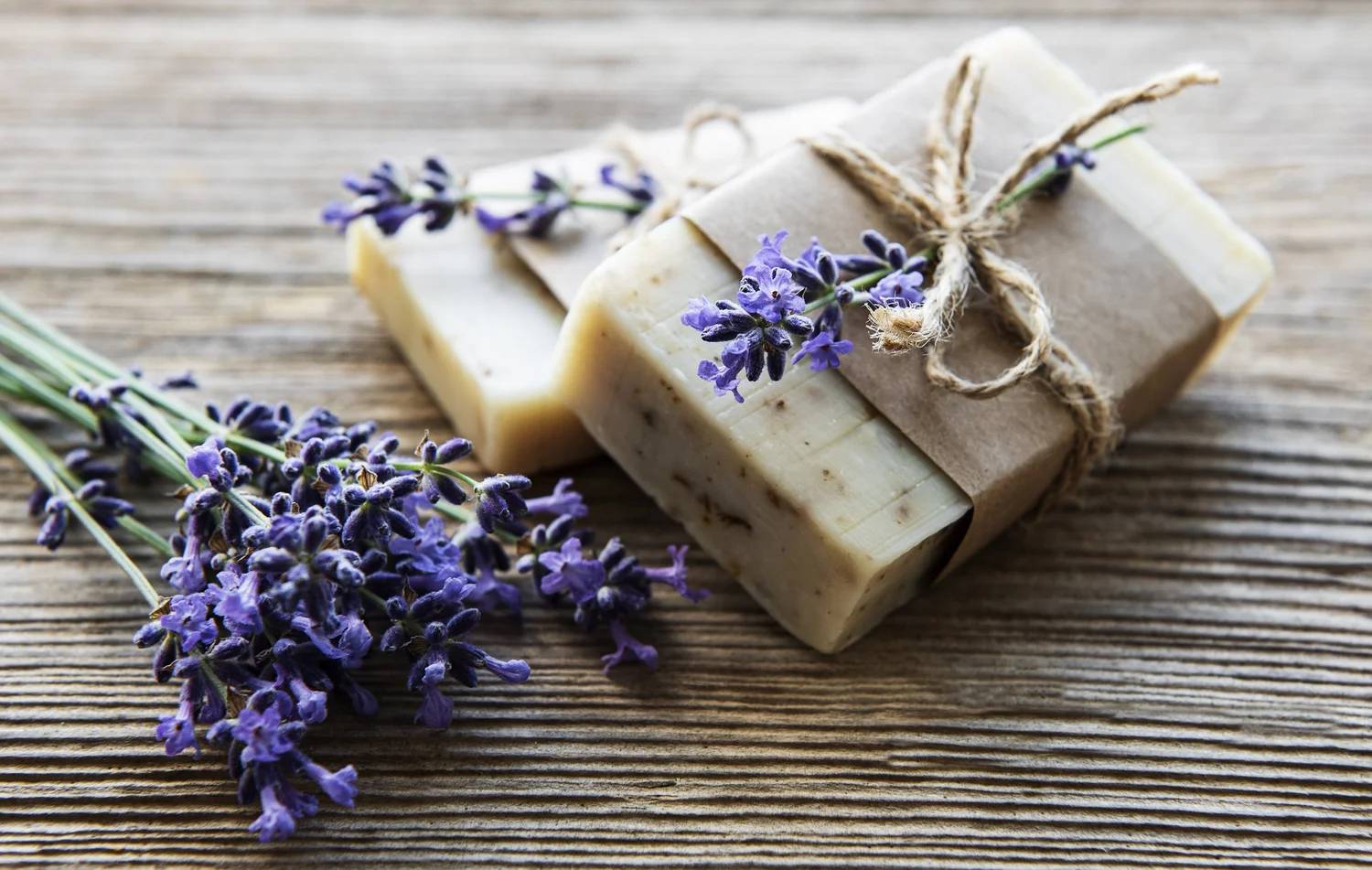
This recipe focuses on creating a naturally moisturizing soap using the efficient hot process method.
It emphasizes that the natural glycerin is retained in the soap, contributing to its skin-nourishing qualities.
The hot process method allows you to use your soap very quickly, making it a practical choice for instant gratification.
Key Ingredients:
- Various Natural Oils
- Lye
- Water
Benefits:
- Moisturizing
- Retains Natural Glycerin
- Ready to Use Quickly
Pro Tip: Leaving your hot process soap uncut for a while after it cools can help the added scents last longer.
Get the Recipe: Moisturizing Hot Process Soap
13. 3-Ingredient Coconut Oil Soap
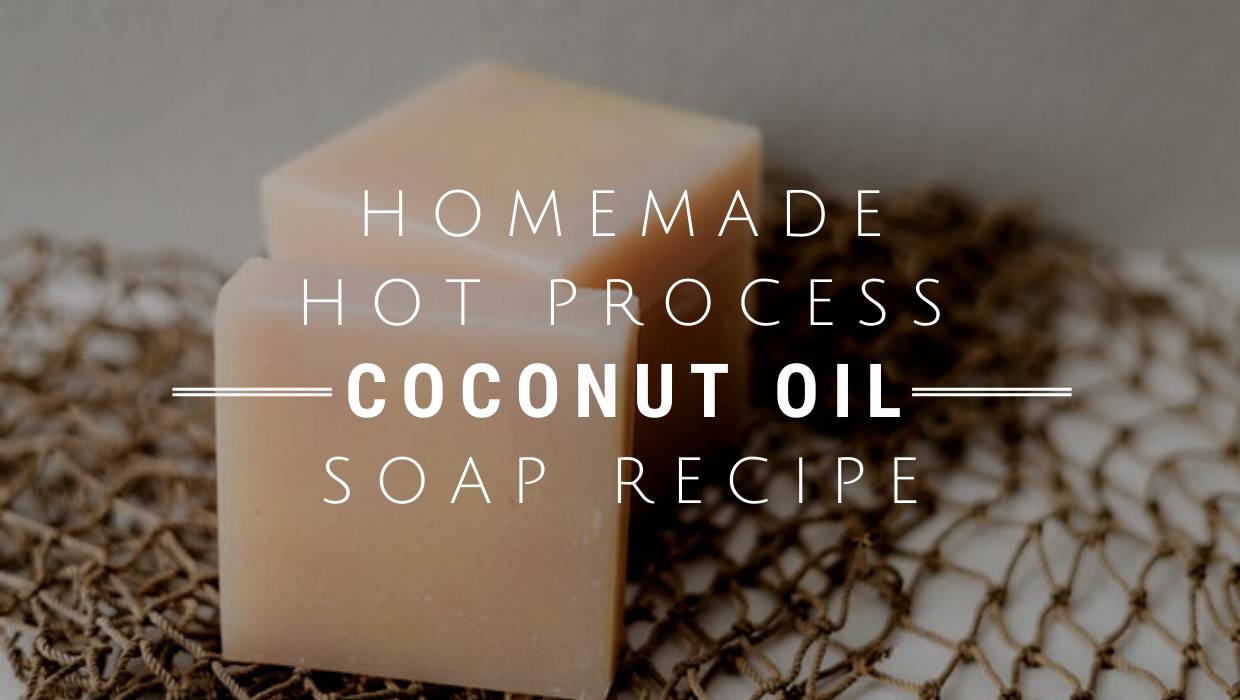
This incredibly simple, 3-ingredient coconut oil soap is a standout for its versatility and amazing lather.
It's ideal for both body care and laundry.
The recipe explains how superfatting can create a luxurious, moisturizing bar for skin, while also being adaptable for a powerful laundry soap.
Key Ingredients:
- Coconut Oil
- Lye (NaOH)
- Water
Benefits:
- Versatile (Body & Laundry)
- Amazing Lather
- Simple Ingredients
Pro Tip: Coconut oil soap can be made with a lower superfat (around 1%) for laundry, but for body care, a higher superfat (around 20%) ensures a more moisturizing bar.
Get the Recipe: 3-Ingredient Coconut Oil Soap
14. Holiday Spice Hot Process Soap
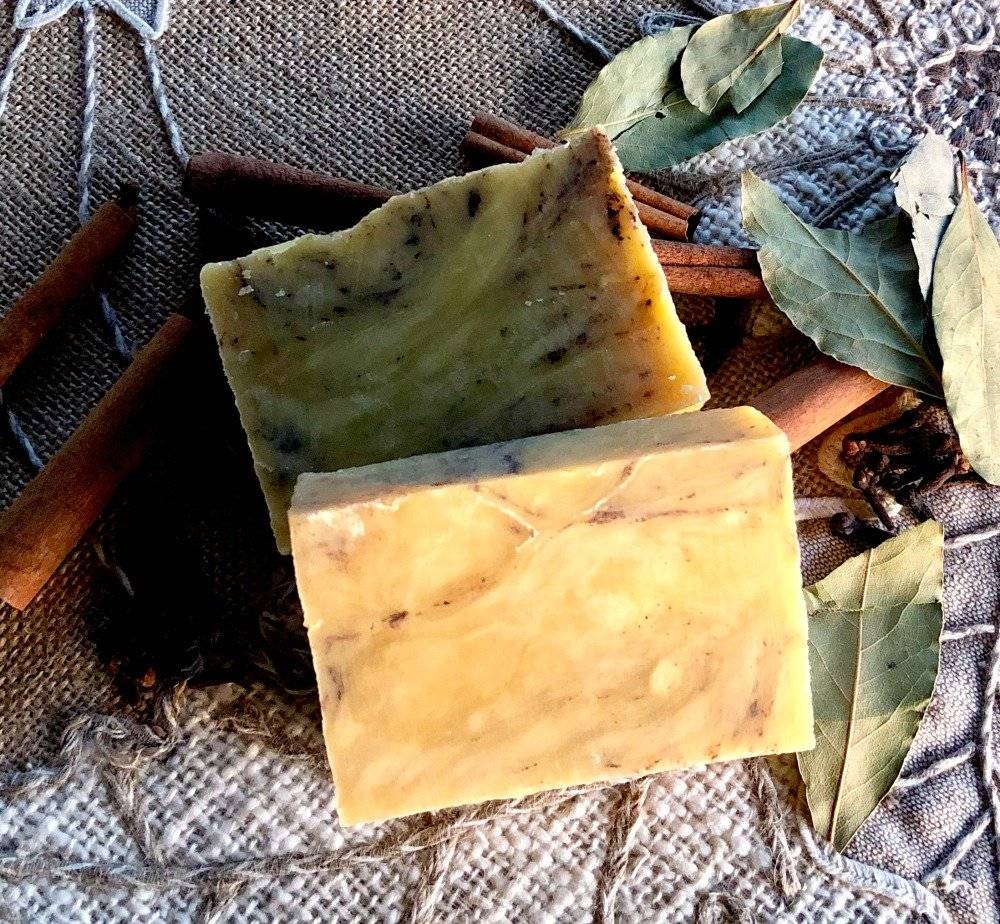
Embrace the festive season with this Holiday Spice hot process soap.
The blend of orange, clove, and rosemary essential oils creates a vibrant, spicy, and refreshingly 'green' scent that is truly captivating.
It’s a wonderful way to bring seasonal warmth into your home or create unique gifts.
Key Ingredients:
- Olive Oil
- Coconut Oil
- Almond Oil
- Shea Butter
- Castor Oil
- Orange Essential Oil
- Clove Essential Oil
- Rosemary Essential Oil
- Ground Cinnamon
Benefits:
- Festive, Spicy Scent
- Moisturizing
- Naturally Colored
Pro Tip: Consider adding natural colorants like ground cinnamon or Moroccan red clay for an extra visual appeal.
Get the Recipe: Holiday Spice Hot Process Soap
15. Hot Process Sea Salt Soap
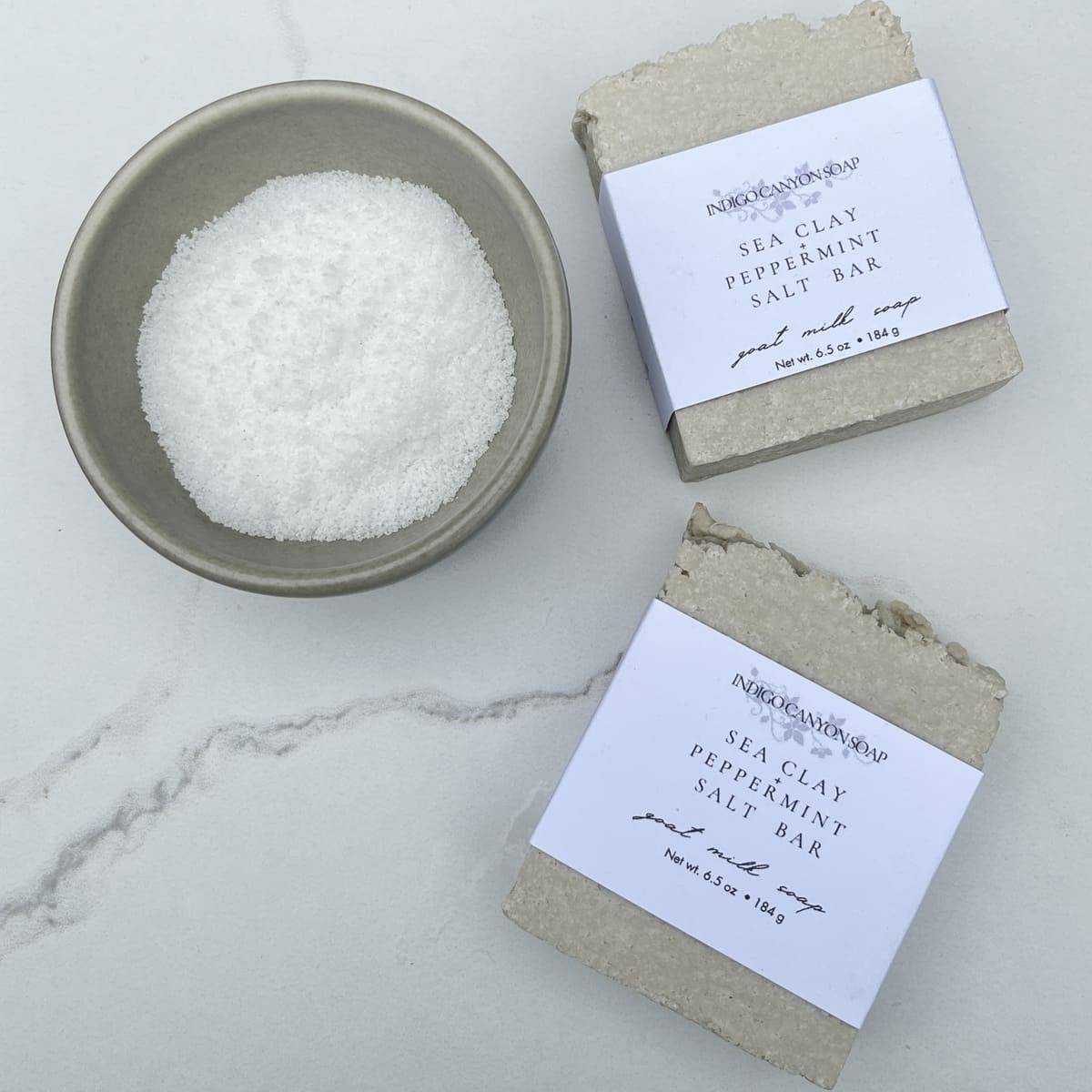
This hot process sea salt soap recipe is perfect for a spa-like experience at home.
It gently buffs away dead skin cells, leaving your skin feeling clean and soft.
Infused with sea salt and your favorite essential oils, it offers a refreshing cleanse and a lovely, creamy lather.
It’s a fantastic way to create bars that last longer than conventional soaps.
Key Ingredients:
- Coconut oil
- Olive oil
- Tallow Beef
- Avocado Oil
- Castor oil
- Cocoa butter
- Sea salt or pink Himalayan salt
- Distilled water
- Sodium hydroxide (lye)
- Essential oil blend
Benefits:
- Gentle exfoliation
- Soft skin
- Long-lasting bars
- Creamy lather
Pro Tip: For a beautiful finish, sprinkle some pink Himalayan salt on top of the bars before they set.
Get the Recipe: Hot Process Sea Salt Soap
16. Cold-Processed Lard Soap
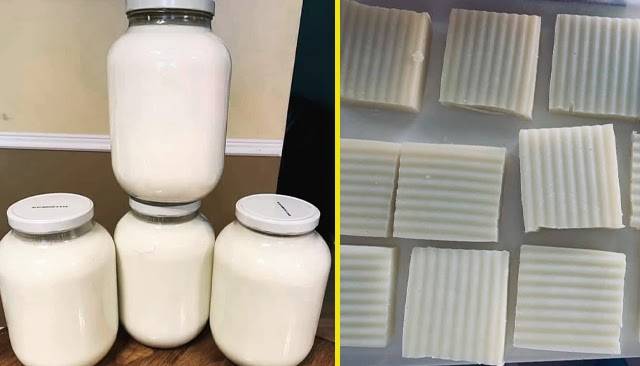
Dive into the art of homemade soap with this cold-processed lard recipe.
Lard creates a mild, conditioning soap that’s wonderful for your skin, retaining natural glycerin for a moisturizing feel.
While it may not lather as much as other soaps, adding a touch of castor oil can boost its bubbles.
It's a cost-effective and simple way to create luxurious bars from scratch.
Key Ingredients:
- Lard
- Water
- Lye
- Essential oils (optional)
Benefits:
- Mild and conditioning
- Moisturizing
- Cost-effective
- Customizable scent
Pro Tip: For added texture and fragrance, experiment with adding coffee grounds or cedarwood during the trace stage.
Get the Recipe: Cold-Processed Lard Soap
17. Simple Hot Process Crock Pot Soap
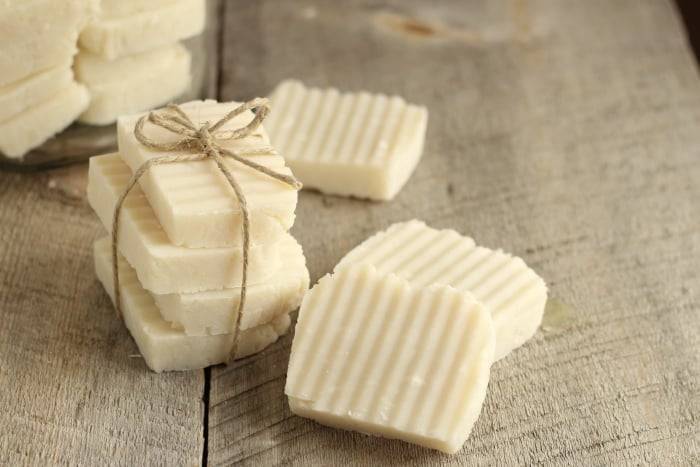
Making soap doesn't have to be complicated! This hot process recipe uses a crock pot for a quicker, more traditional approach.
It's ready to use much sooner than cold process, making it perfect for those who love instant gratification.
Enjoy the rustic charm and the satisfaction of creating your own pure, cleansing bars from basic ingredients like olive oil and coconut oil.
Key Ingredients:
- Olive oil
- Coconut oil
- Distilled water
- Lye
- Essential oils (optional)
Benefits:
- Quick to use
- Easy cleanup
- Traditional method
- Pure cleansing
Pro Tip: Clean up is a breeze with hot process soap; simply soak your tools in hot, soapy water with a splash of vinegar to neutralize any remaining lye.
Get the Recipe: Simple Hot Process Crock Pot Soap
18. Budget-Friendly Hot Process Lard Soap
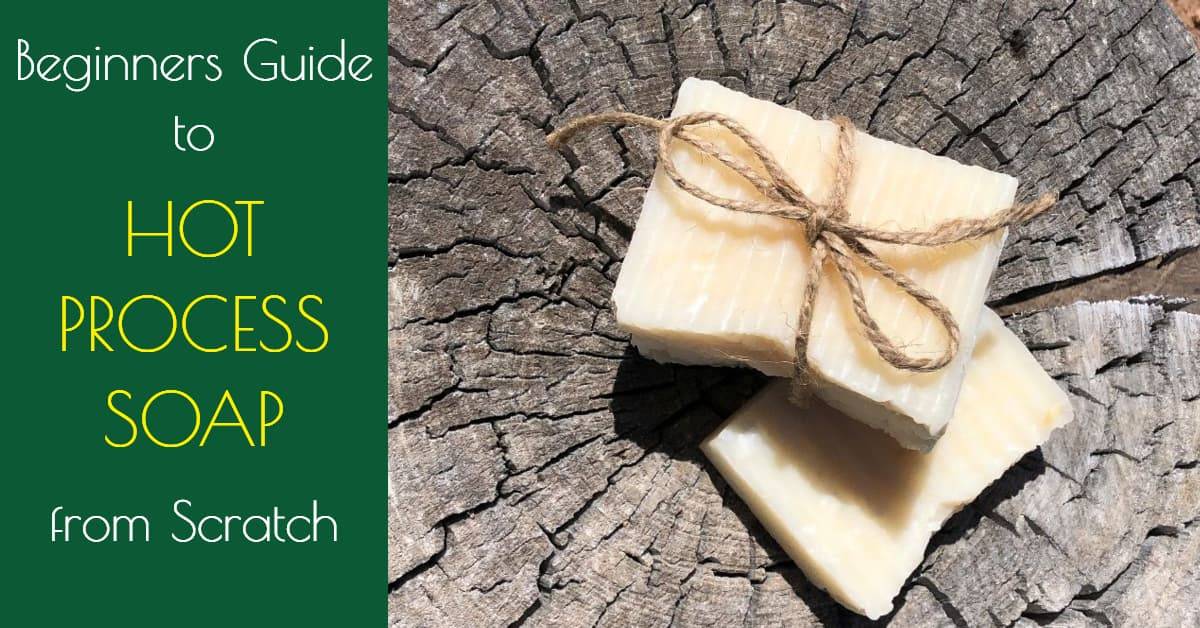
Discover how to make soap that’s kind to your wallet and your skin.
This budget-friendly hot process recipe uses simple grocery store ingredients like lard, coconut oil, and soybean oil.
It produces a solid, moisturizing bar that cleans effectively.
It's a fantastic option for creating a sustainable and economical soap supply for your home.
Key Ingredients:
- Coconut Oil
- Lard
- Soybean/Vegetable Oil
- Distilled or Filtered Water
- Lye
- Salt (optional)
Benefits:
- Economical
- Moisturizing
- Effective cleansing
- Long shelf life
Pro Tip: For a pleasant scent without breaking the bank, consider using fragrance oils instead of essential oils.
Get the Recipe: Budget-Friendly Hot Process Lard Soap
19. Simple Homestead Crock Pot Soap
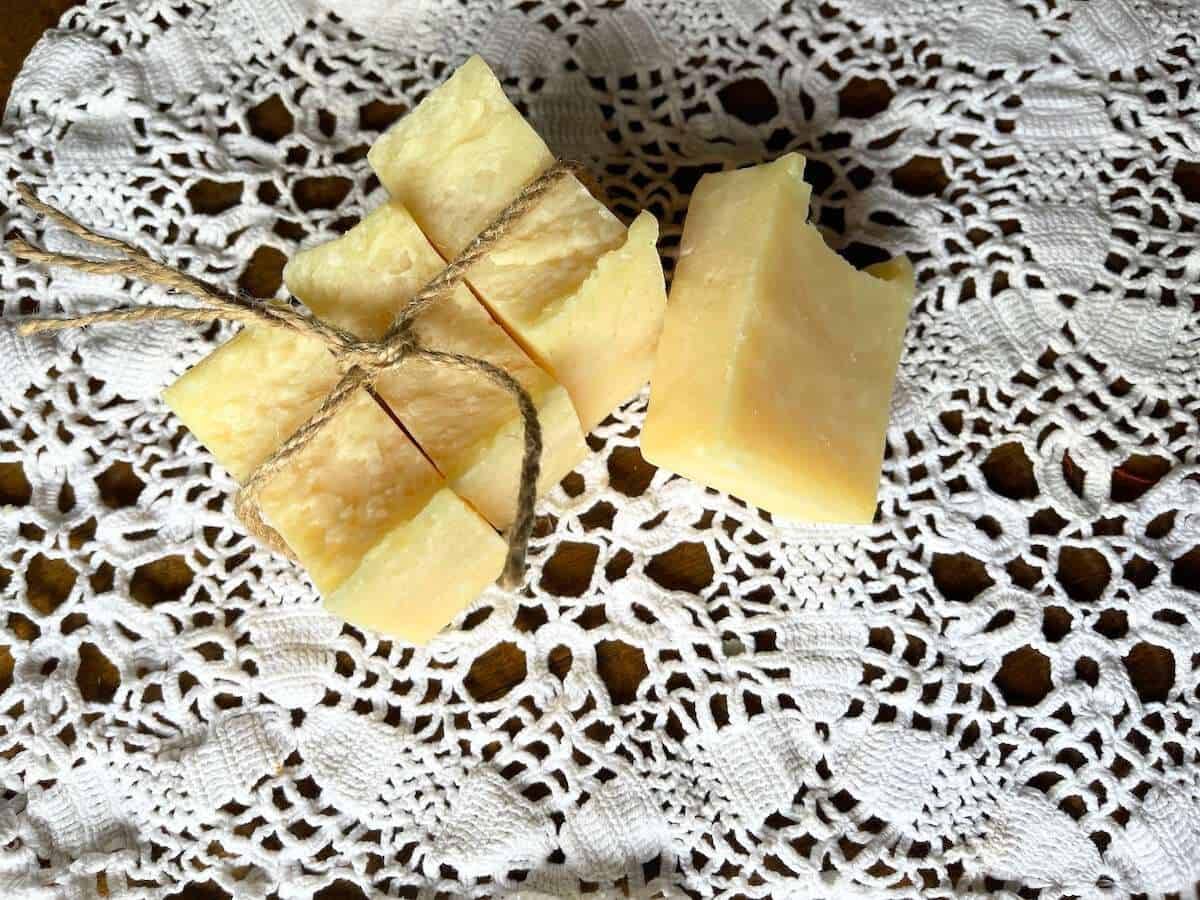
Embrace a simpler, more natural lifestyle with this easy crock pot soap recipe.
It’s designed for beginners and uses fundamental ingredients like coconut oil and olive oil.
This method produces real soap, free from the synthetic detergents often found in commercial products.
Enjoy a gentle, moisturizing cleanse and the satisfaction of a truly homemade bar.
Key Ingredients:
- Coconut oil
- Olive oil
- Water
- Lye
- Essential Oils (optional)
Benefits:
- Toxin-free
- Saves money
- Simple ingredients
- Gentle and moisturizing
Pro Tip: Keep vinegar on hand to neutralize any accidental lye splashes – it’s a homesteader’s best friend!
Get the Recipe: Simple Homestead Crock Pot Soap
20. Pure Lard Soap for Skin

Explore the benefits of using lard for soap making with this classic recipe.
Lard creates a white, hard bar with a stable, creamy lather that’s great for your skin.
Rich in oleic fatty acids, it conditions and moisturizes while forming a protective barrier.
This affordable fat is a wonderful, low-waste ingredient for crafting nourishing homemade soap.
Key Ingredients:
- Lard
- Distilled water
- Sodium hydroxide lye
- Essential oil (optional)
Benefits:
- Moisturizing
- Conditioning
- Hard, long-lasting bar
- Affordable
Pro Tip: Render your own lard from pork trimmings for an even more economical and waste-reducing approach to soap making.
Get the Recipe: Pure Lard Soap for Skin
21. Rustic Hot Process Soap with Lard
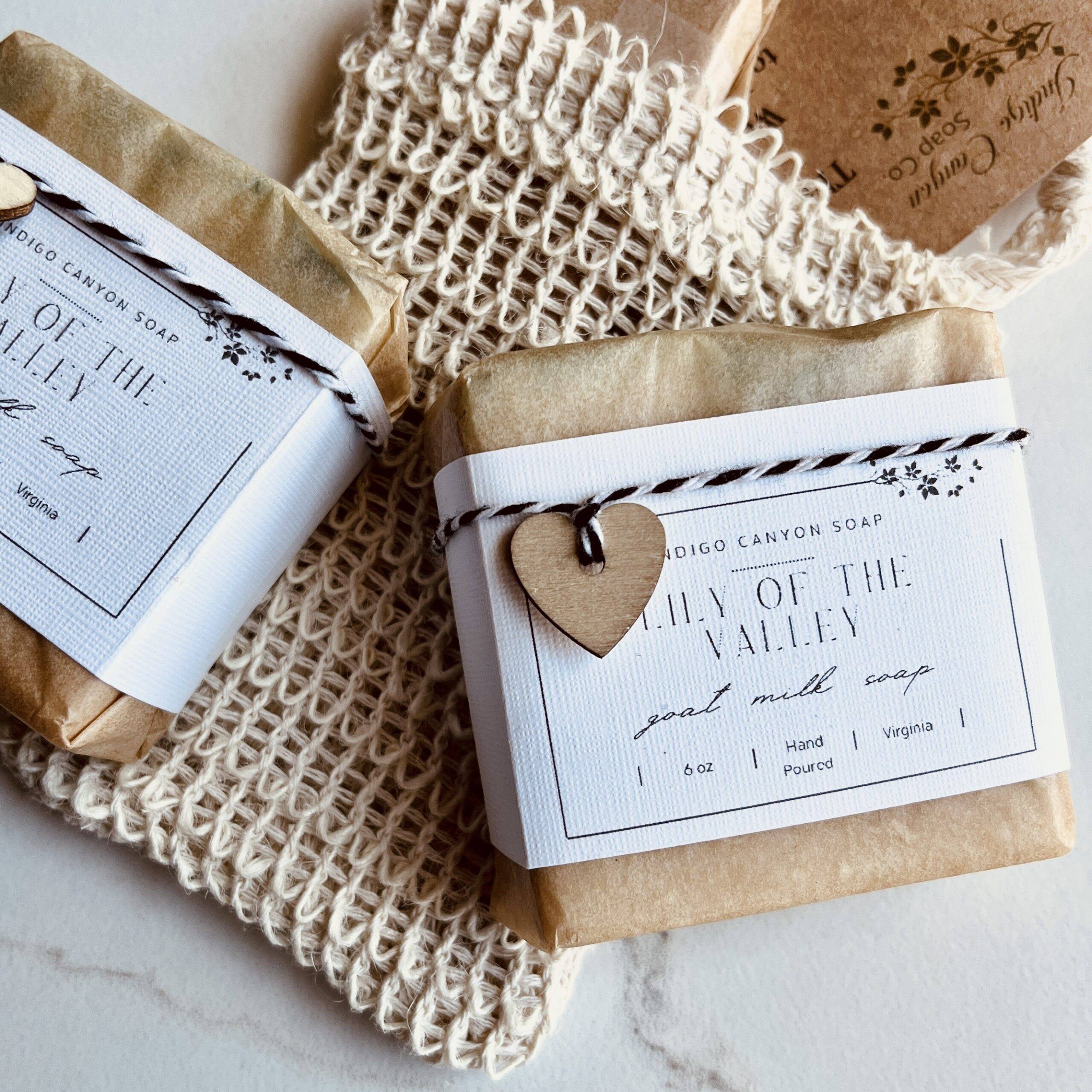
This recipe offers a straightforward approach to hot process soap making, perfect for those looking for a quicker alternative to cold process.
Using lard, this soap is designed for a rustic feel and excellent lather.
It's a forgiving method, making it great for beginners and ideal for creating customizable bars with your favorite scents added after cooking.
Key Ingredients:
- Base Oils (Olive oil, coconut oil, palm oil, tallow, or lard)
- Lye (Sodium Hydroxide)
- Water or Alternative Liquid
- Essential oils (optional)
- Fragrance oils (optional)
- Exfoliants (optional)
- Clays (optional)
- Natural colorants (optional)
Benefits:
- Faster usability
- Customizable
- Rustic texture
- Great lather
- Forgiving for beginners
Pro Tip: Adding essential oils after the soap has fully cooked helps preserve their fragrance, ensuring a delightful scent in your finished bars.
Get the Recipe: Rustic Hot Process Soap with Lard
22. Nourishing Hot Process Soap with Olive, Palm Kernel, and Coconut Oil

This basic hot process soap recipe is a reliable foundation for creating a hard, shelf-stable bar with plenty of natural glycerin.
The blend of olive, palm kernel, and coconut oils results in a moisturizing bar that's wonderfully kind to dry skin.
It's an excellent starting point for customizing with your preferred scents and additives.
Key Ingredients:
- Olive oil
- Palm kernel oil
- Coconut oil
- Castor oil
- Lye (Sodium Hydroxide)
- Distilled water
Benefits:
- Moisturizing
- Hard, long-lasting bar
- Rich lather
- Glycerin-rich
- Customizable
Pro Tip: For a better-lasting bar, allow your hot process soap to cure for about a week after molding, even though it's technically usable sooner.
Get the Recipe: Nourishing Hot Process Soap with Olive, Palm Kernel, and Coconut Oil
23. Budget-Friendly Lard Soap for Moisturizing Clean
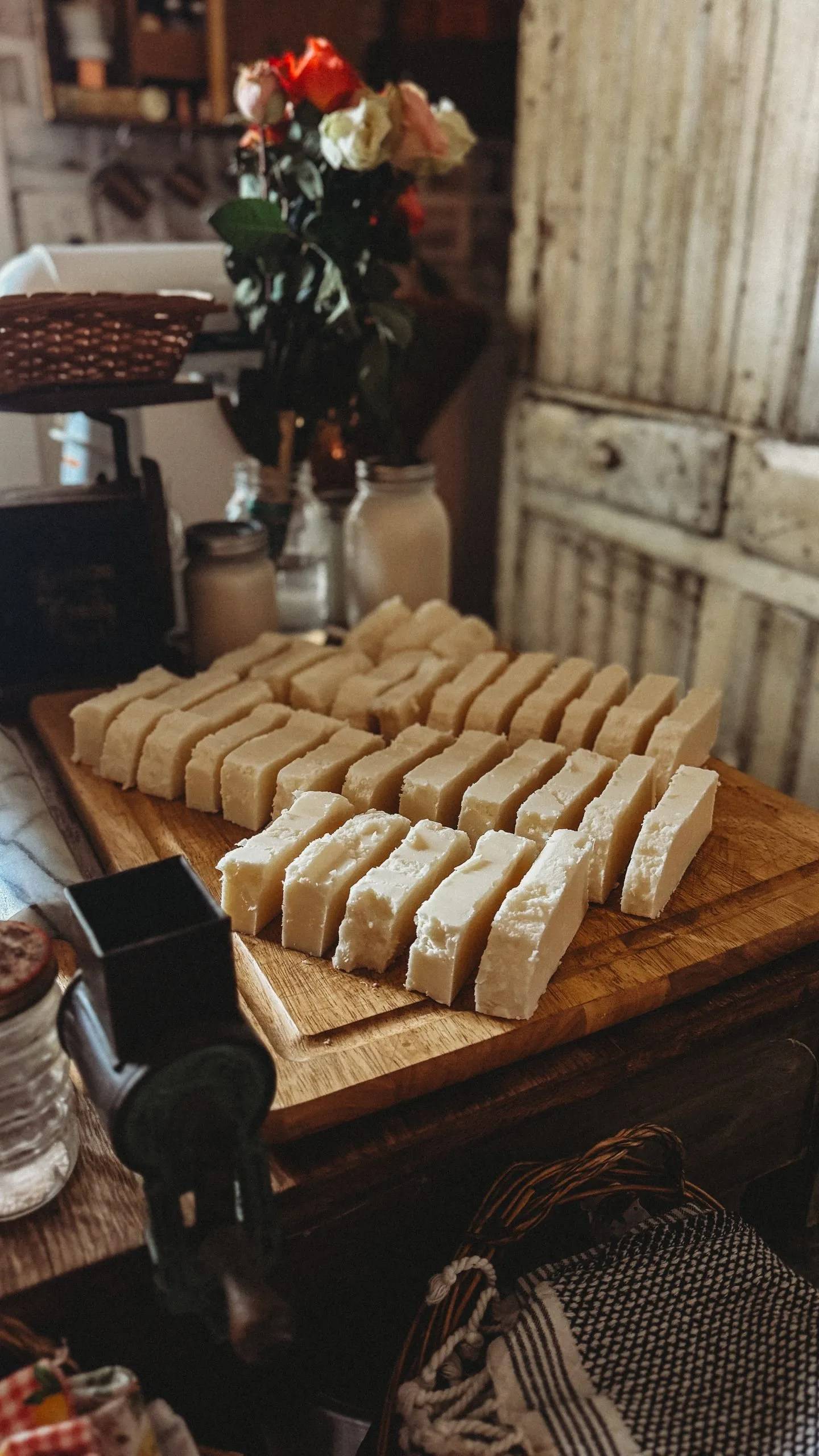
This recipe makes a wonderfully moisturizing and affordable soap using rendered lard.
Lard's fat composition is quite similar to our skin's natural oils, making it incredibly nourishing.
It's a fantastic way to create a gentle, clean soap without breaking the bank, and you can even add essential oils for a lovely subtle scent.
Key Ingredients:
- Rendered lard
- 100% lye (sodium hydroxide)
- Filtered water
- Essential oil (optional)
Benefits:
- Moisturizing
- Gentle clean
- Affordable
- Skin-similar oils
Pro Tip: When sourcing lard, look for options from local homesteaders who prioritize animal welfare, as toxins can be stored in fat.
Get the Recipe: Budget-Friendly Lard Soap for Moisturizing Clean