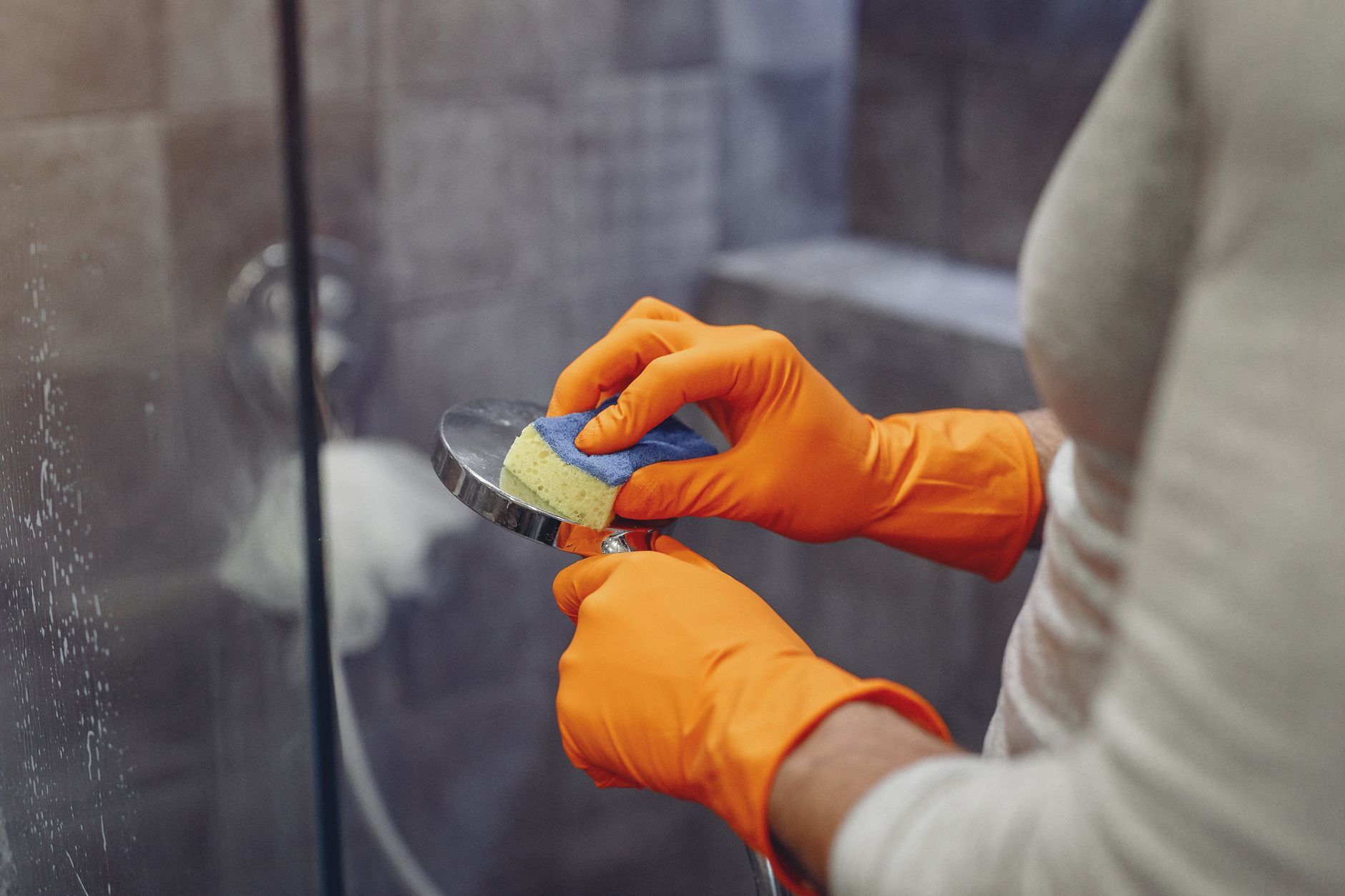
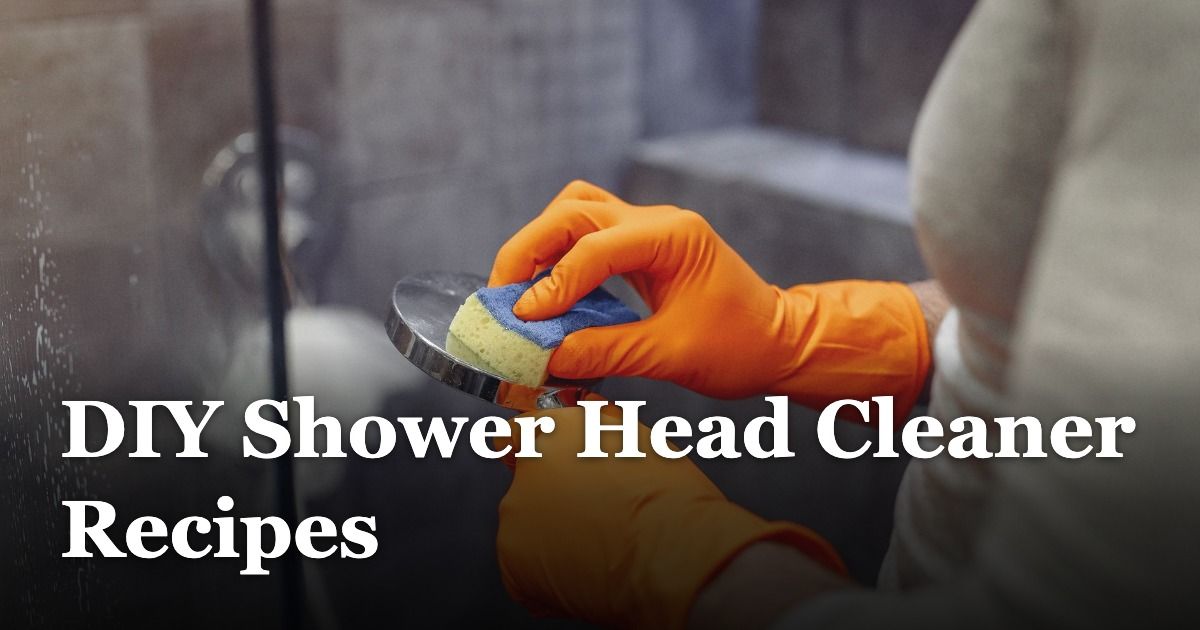
Is your shower head delivering a dribble instead of a downpour? Are those once-powerful jets now sputtering and uneven? You’re not alone! Clogged and dirty shower heads are a common household nuisance, leading to frustrating showers and a less-than-sparkling bathroom.
The good news? You don’t need expensive or harsh chemicals to restore your shower head to its former glory.
This post will guide you through simple, cost-effective DIY cleaning recipes using everyday household ingredients.
We’ll explore how mineral deposits, soap scum, and other gunk build up, the consequences of neglecting your shower head, and the natural power of ingredients like vinegar, baking soda, and lemon juice to bring back that satisfying spray.
Get ready to transform your shower experience!.
Table of Contents
Why Clean Your Shower Head?
The primary culprits behind a sluggish shower head are mineral deposits, commonly known as limescale, which form when hard water evaporates.
These are often exacerbated by soap scum, a sticky residue left behind from your soaps and shampoos.
Over time, these substances can combine with moisture, creating a breeding ground for mold and mildew, especially in the nooks and crannies of your shower head.
The negative impacts of a dirty shower head are more than just an aesthetic issue.
Reduced water pressure is the most noticeable consequence, leading to weaker sprays and longer shower times.
Uneven spray patterns can make your shower experience unpleasant, and the build-up can harbor bacteria and mold, potentially spreading them around your bathroom and affecting your hygiene.
A dirty shower head simply detracts from the relaxing and refreshing experience a shower should be.
Ultimately, a clean shower head contributes to better hygiene and a more enjoyable and invigorating shower experience.
It’s a small maintenance task that yields significant improvements in your daily routine.
Save this post for later 📩
Not ready to read it all now? Send it to yourself and come back whenever you're ready.
Understanding Common Cleaning Ingredients
The beauty of DIY cleaning lies in its simplicity and reliance on readily available household items.
Many common kitchen staples possess potent cleaning properties that are effective without the harshness of commercial cleaners.
White vinegar is a superstar in the DIY cleaning world.
Its acetic acid is a natural powerhouse for dissolving mineral deposits and limescale.
Baking soda, on the other hand, is a gentle abrasive that excels at scrubbing away grime and soap scum, while also acting as a natural deodorizer.
Dish soap, a familiar friend in the kitchen sink, is an excellent degreaser and surfactant, helping to lift and wash away oily residues and soap scum.
For a touch of natural freshness and mild acidity, lemon juice can help break down light mineral deposits and leave a pleasant scent.
While these ingredients are natural, it’s important to use them safely and effectively.
Always ensure proper ventilation when using vinegar, and avoid mixing certain cleaning agents, though the combinations discussed here are safe and synergistic.
The Classic White Vinegar Soak Method
When it comes to tackling stubborn hard water mineral deposits and limescale, the white vinegar soak is a tried-and-true champion.
The acidity of the vinegar works diligently to break down these tough mineral formations, loosening them from the shower head’s internal components and nozzles.
This method is particularly suitable for shower heads that have been neglected for some time, or for those living in areas with notoriously hard water.
It’s a passive yet powerful way to restore water flow and spray pattern.
Materials: White vinegar, a plastic bag (large enough to cover the shower head), a rubber band or twist tie, a soft cloth or old toothbrush.
Instructions:.
1.
Fill the plastic bag with enough white vinegar to adequately submerge the shower head.
2.
Securely attach the bag around the shower head using the rubber band or twist tie.
Ensure the entire head, especially the nozzles, is immersed in the vinegar.
3.
Let the shower head soak for at least 1-2 hours.
For very stubborn buildup, you can leave it overnight.
4.
After soaking, carefully remove the bag and discard the vinegar.
Rinse the shower head thoroughly with warm water.
5.
Use a soft cloth or old toothbrush to gently scrub away any remaining loosened debris from the spray nozzles.
Pay attention to any clogged holes.
6.
Run hot water through the shower head for a few minutes.
This helps to flush out any residual vinegar and dislodged particles, leaving your shower head clear and functional.
Baking Soda Paste for Stubborn Grime
When faced with sticky soap scum and general grime, baking soda steps in as your gentle but effective scrubbing partner.
Its mild abrasive quality helps to lift and scour away these residues without scratching the delicate surfaces of your shower head.
Baking soda can be used on its own for a targeted clean or in conjunction with other ingredients to boost its power.
Its natural deodorizing properties also help to neutralize any unpleasant odors that might have accumulated.
Materials: Baking soda, water, a bowl, an old toothbrush or soft scrub brush.
Instructions:.
1.
In a bowl, mix baking soda with a small amount of water.
Gradually add water until you achieve a thick, paste-like consistency, similar to toothpaste.
2.
Apply the paste generously to the shower head.
Concentrate on the spray nozzles and any areas where you see visible soap scum or grime.
3.
Let the paste sit on the shower head for about 15-20 minutes.
This allows the baking soda to begin breaking down the grime.
4.
Use an old toothbrush or a soft scrub brush to gently scrub the paste into the shower head.
Work in a circular motion, paying close attention to the small holes of the nozzles.
5.
Rinse the shower head thoroughly with warm water, ensuring all the paste is washed away.
6.
Save this post for later 📩
Not ready to read it all now? Send it to yourself and come back whenever you're ready.
If you notice any lingering buildup, you can repeat the process or follow up with a short vinegar soak for an extra shine.
Lemon Juice for a Natural Shine and Fresh Scent
For a quick refresh and a touch of natural fragrance, lemon juice is an excellent choice.
Its mild acidic nature can help break down light mineral deposits and soap scum, while its inherent citrus scent leaves your bathroom smelling fresh.
This method is ideal for a routine clean or for when your shower head needs a pick-me-up rather than a deep restorative treatment.
It’s also a great way to add a pleasant aroma to your cleaning routine.
Materials: Fresh lemon (or bottled lemon juice), a small bowl, a soft cloth or sponge.
Instructions:.
1.
If using a fresh lemon, cut it in half.
Alternatively, pour some bottled lemon juice into a small bowl.
2.
Dip a soft cloth or sponge into the lemon juice, ensuring it’s well-saturated.
3.
Wipe down the entire shower head thoroughly with the lemon-soaked cloth or sponge.
Make sure to cover all surfaces, especially the nozzles.
4.
For any slightly more stubborn spots, you can rub the cut side of the lemon directly onto the affected areas.
5.
Let the lemon juice sit on the shower head for about 10-15 minutes to allow it to work its magic.
6.
Rinse the shower head with warm water.
7.
Wipe the shower head dry with a clean cloth to reveal a sparkling, fresh finish.
Vinegar and Baking Soda Combination Method
When you need a powerful one-two punch against tough grime, the combination of vinegar and baking soda is your answer.
The magic happens when these two ingredients meet, creating a satisfying fizzing reaction.
This effervescence helps to lift and loosen stubborn buildup, making it easier to scrub away.
This method leverages the acidic power of vinegar and the abrasive action of baking soda in a synergistic way, tackling both mineral deposits and organic grime effectively.
Materials: White vinegar, baking soda, a plastic bag, a rubber band or twist tie, an old toothbrush.
Instructions:.
1.
Begin by sprinkling a generous amount of baking soda directly onto the shower head, ensuring the nozzles are well-covered.
2.
Pour enough white vinegar into a plastic bag to submerge the shower head.
3.
Carefully slide the plastic bag over the shower head and secure it with a rubber band or twist tie.
Make sure the baking soda is also immersed in the vinegar.
4.
Allow the mixture to fizz and work its magic for at least 30 minutes to an hour.
You’ll see the reaction at work, loosening the grime.
5.
Save this post for later 📩
Not ready to read it all now? Send it to yourself and come back whenever you're ready.
After the soaking period, remove the bag and rinse the shower head thoroughly with warm water.
6.
Use an old toothbrush to gently scrub away any remaining residue that the fizzing action has loosened.
7.
Finally, run hot water through the shower head for a few minutes to flush out any lingering particles and ensure a clear spray.
Deep Cleaning and Maintenance Tips
The frequency of cleaning your shower head depends on your water quality.
If you have very hard water, you might need to clean it every 1-2 months.
For softer water, every 3-6 months may suffice.
Pay attention to the spray pattern and water pressure as indicators.
Preventative measures are key to reducing buildup.
After each shower, quickly wipe down the shower head with a dry cloth to remove excess water.
If you have hard water, consider installing a water softener for your home or using a shower head filter that can trap minerals before they reach your fixtures.
For areas prone to mold and mildew, ensure good ventilation in your bathroom.
After cleaning with any of the above methods, you can also wipe down the exterior with a diluted bleach solution (use with caution and proper ventilation) or a specialized mold and mildew cleaner for persistent issues.
Sometimes, despite your best efforts, a shower head may become too corroded or clogged to function properly.
If you notice significant damage, persistent clogging, or a considerable decrease in water flow even after thorough cleaning, it might be time to consider replacing your shower head altogether.
Conclusion
As you can see, achieving a sparkling clean and perfectly functioning shower head is well within your reach, and it doesn’t require a trip to the store for specialized chemicals.
These DIY methods are not only effective but also kind to your wallet and the environment.
We encourage you to try these simple recipes.
Whether you opt for the classic vinegar soak, the gentle scrub of baking soda, or the refreshing scent of lemon, you’re on your way to a more satisfying and hygienic shower experience.
A clean bathroom is a happy bathroom!.
Taking control of these small home maintenance tasks empowers you to create a more comfortable and enjoyable living space.
Enjoy your revitalized showers!.