
Are you curious about harnessing the power of plants for your well-being? Discovering homemade herbal tinctures can be a wonderfully rewarding journey, connecting you more deeply with nature’s potent remedies.
Imagine having your own custom-made botanical blends at your fingertips, ready to support your body and mind.
This collection of 14 homemade herbal tincture recipes opens the door to exploring a world of natural wellness.
From soothing blends for relaxation to invigorating concoctions for vitality, there’s something here to pique your interest and inspire your inner herbalist.
Get ready to unlock the gentle, yet powerful, potential held within these botanical treasures.
Table of Contents
1. Keep Your Creations Fresh with Optiphen Plus
Worried about your homemade lotions and potions going bad? This post dives into Optiphen Plus, a fantastic broad-spectrum preservative that keeps bacteria, mold, and yeast at bay.
It’s paraben and formaldehyde-free, making it a great choice for natural cosmetic formulators looking to extend the life of their water-based skincare and haircare products.
Learn why it’s a top pick for keeping your creations safe and shelf-stable.
Recipe Ingredients:
- Phenoxyethanol
- Caprylyl Glycol
- Sorbic Acid
Benefits:
- Broad-spectrum preservation
- Paraben-free
- Formaldehyde-free
- Prevents bacterial growth
- Prevents mold growth
- Prevents yeast growth
Pro Tip: Optiphen Plus works best in products with a pH below 6 and is ideal for lotions, creams, and toners.
Get the Recipe Now: Keep Your Creations Fresh with Optiphen Plus
2. Safe Preservatives for Homemade Cosmetics
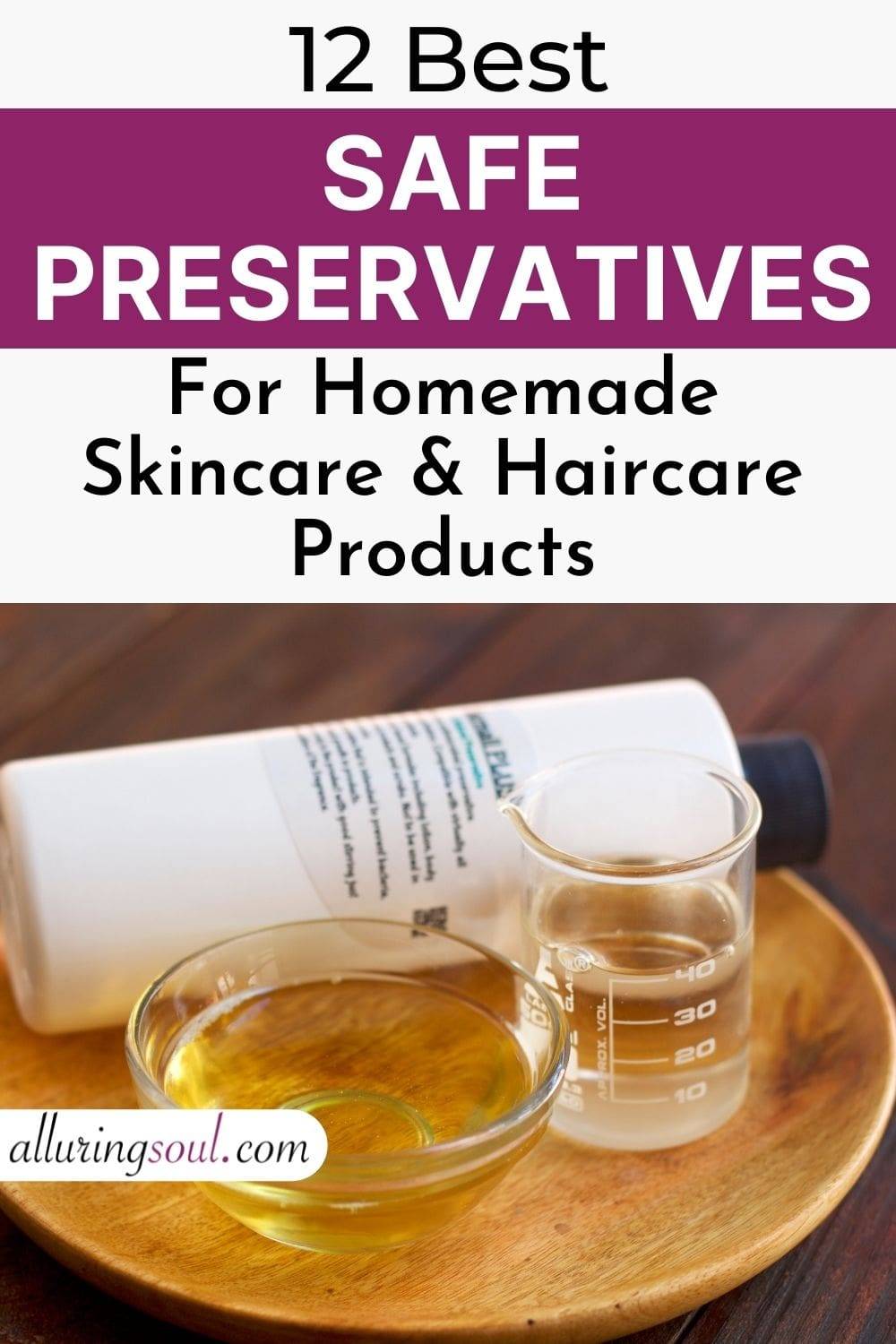
If you’re crafting your own skincare or haircare goodies, keeping them fresh and safe is super important! This post dives into the essentials of preservatives, explaining why they’re vital for homemade products and what to look out for.
Save this post for later 📩
Not ready to read it all now? Send it to yourself and come back whenever you're ready.
Discover a helpful list of both natural and synthetic options, so you can confidently extend the shelf life of your creations and keep them free from unwanted microbes.
Key Ingredients List:
- Benzyl Alcohol
- Salicylic Acid
- Glycerin
- Sorbic Acid
- Lactobacillus Ferment
- Phenoxyethanol
- Sodium Benzoate
- Gluconolactone
Benefits:
- Prevents bacterial growth
- Prolongs shelf life
- Maintains pH balance
- Prevents oxidation
Pro Tip: While antioxidants like Vitamin E can help keep products from going rancid, they don’t protect against microbial growth like true preservatives do.
Make This at Home: Safe Preservatives for Homemade Cosmetics
3. Natural & Effective Homemade Face Masks
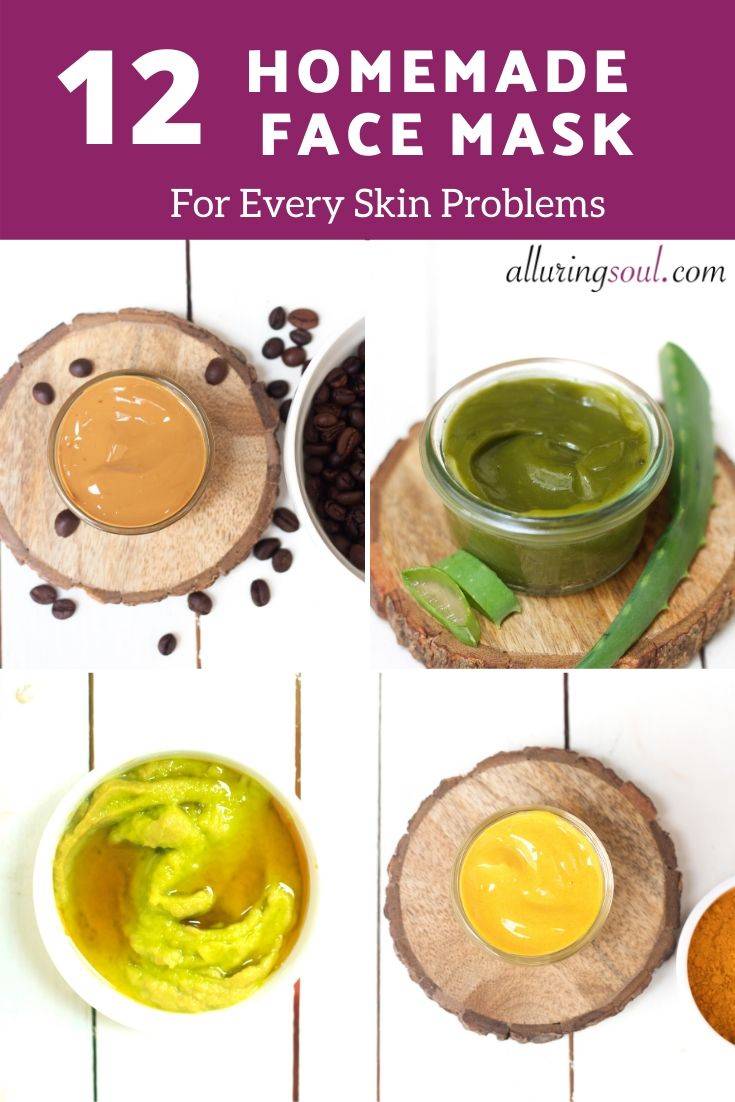
Whip up your own skincare solutions with these easy homemade face mask recipes! From glowing skin to tackling acne and dark spots, there’s a natural remedy here for nearly every concern.
Using simple, nourishing ingredients from your kitchen, you can achieve brighter, smoother, and more radiant skin without any harsh chemicals.
Key Ingredients List:
- Banana
- Honey
- Egg White
- Lemon Juice
- Aloe Vera Gel
- Avocado
- Baking Soda
- Turmeric Powder
- Yogurt
- Instant Coffee
- Activated Charcoal Powder
- Rose Water
- Bentonite Clay
- Argan Oil
- Frankincense Essential Oil
- Matcha Green Tea Powder
Benefits:
- Glowing Skin
- Reduced Wrinkles
- Lighten Dark Spots
- Treat Acne
- Hydrate Dry Skin
- Remove Blackheads
- Bright Skin
- Tighten Skin
- Clear Skin
- Anti-Aging
- Control Oiliness
Pro Tip: For turmeric stains, use milk on a cotton ball to gently wipe away any lingering yellow hue from your skin.
Get the Recipe Now: Natural & Effective Homemade Face Masks
4. Nourishing Tea Tree Oil Shaving Cream
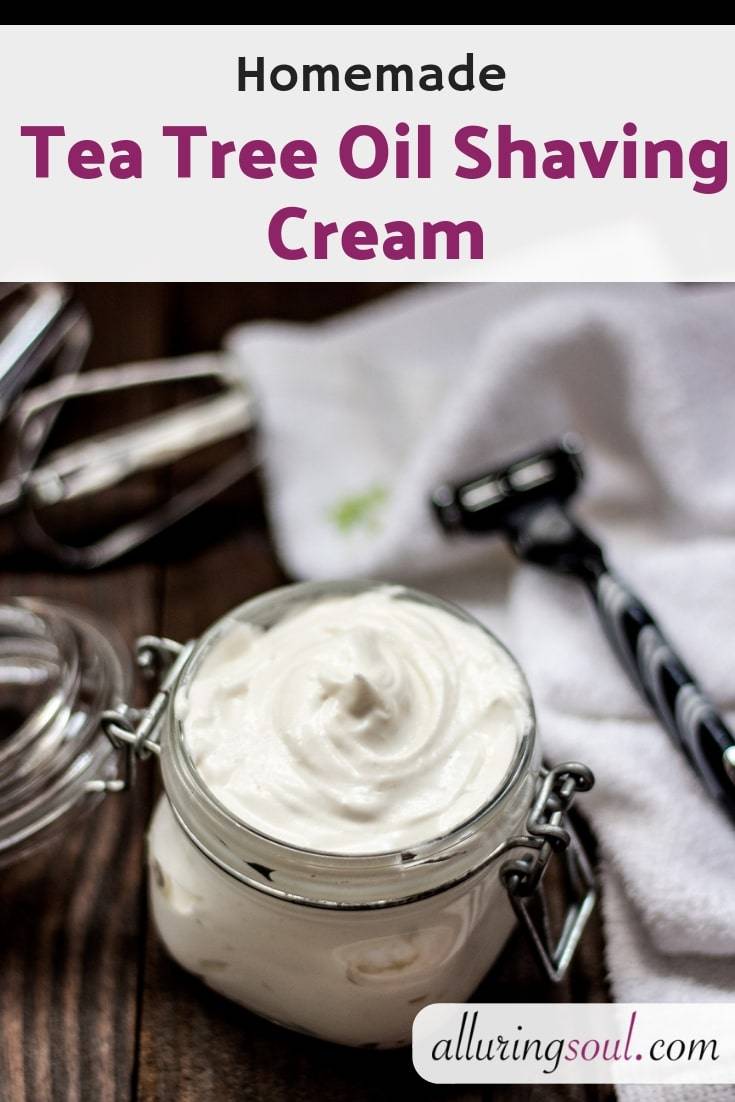
Tired of harsh chemicals in store-bought shaving creams? This homemade tea tree oil shaving cream is your solution for a gentle, skin-loving shave.
It’s packed with natural ingredients that hydrate, soothe, and protect your skin, helping to prevent irritation and razor bumps.
Key Ingredients List:
Benefits:
- Nourishes skin
- Prevents damage
- Hydrates skin
- Soothes razor burns
- Antibacterial properties
Pro Tip: Coconut oil in this recipe helps exfoliate dead skin cells and unclog pores, which can prevent ingrown hairs.
Get the Recipe Now: Nourishing Tea Tree Oil Shaving Cream
5. Ginger Tincture for Digestion and More
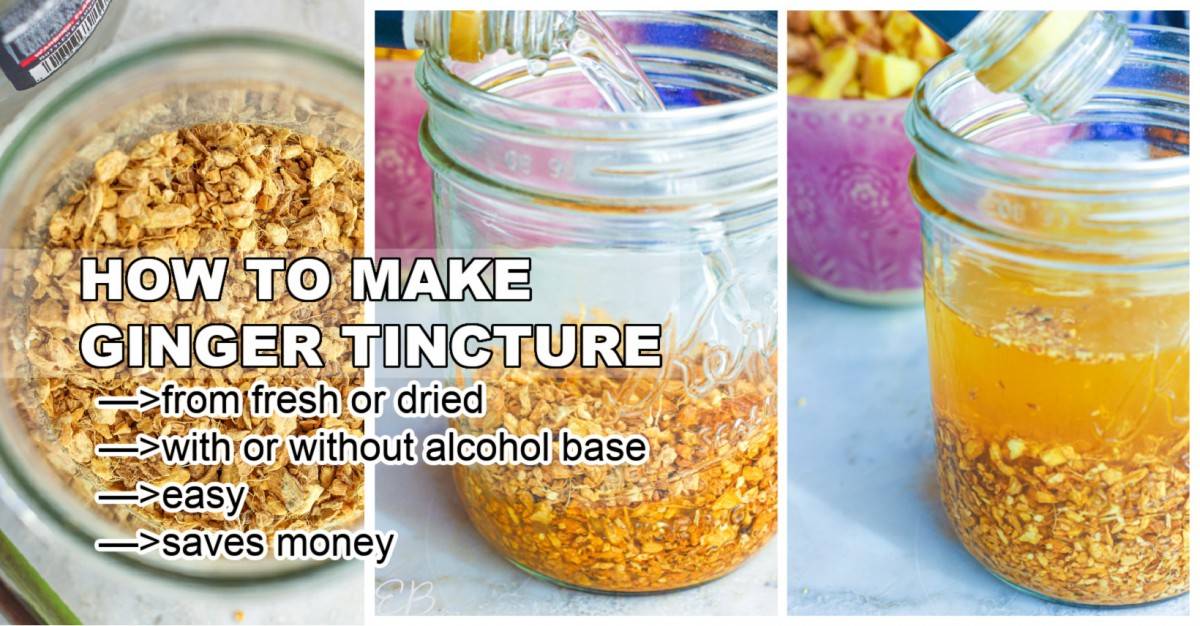
This vibrant ginger tincture is a simple, two-ingredient remedy that’s incredibly versatile.
It’s known for its ability to support digestion, soothe nausea, and even help with headaches.
The warming spice of ginger is preserved, making it a powerful addition to your natural wellness routine.
Key Ingredients:
Benefits:
- Aids Digestion
- Relieves Nausea
- Supports Immune System
- Increases Circulation
Pro Tip: You can create alcohol-free versions using apple cider vinegar or vegetable glycerin for a milder option.
Get the Recipe: Ginger Tincture for Digestion and More
6. Honeysuckle Blossom Tincture for Wellness
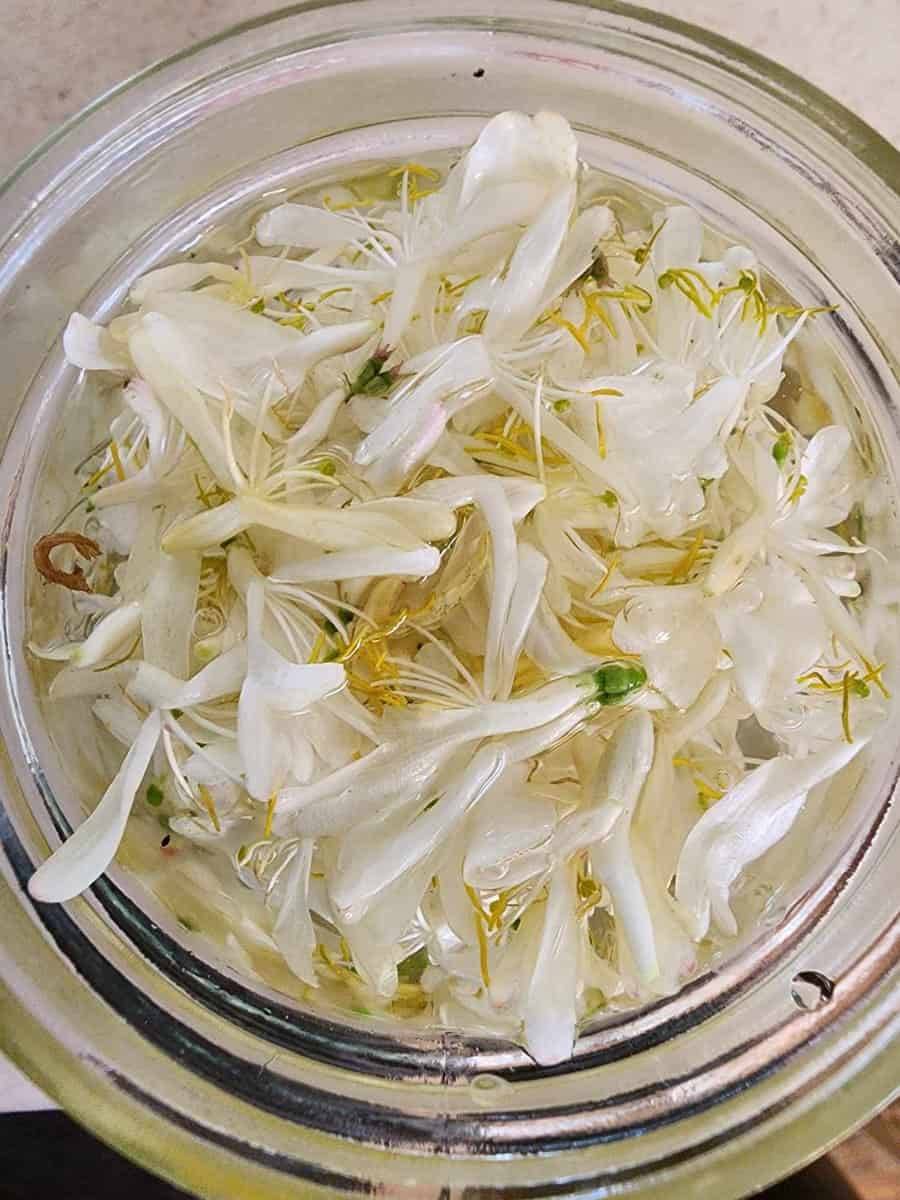
Harness the delicate scent and natural benefits of honeysuckle with this easy-to-make tincture.
The fragrant blossoms are steeped to create a concentrated extract that can be used to support your well-being.
It’s a beautiful way to capture the essence of this sweet-smelling flower.
Key Ingredients:
Benefits:
- Antiviral Properties
- Antioxidant Rich
- Supports General Wellness
Pro Tip: Add a few drops to cool tea or water, or even a cocktail, for a touch of floral goodness.
Get the Recipe: Honeysuckle Blossom Tincture for Wellness
7. Respiratory Support Tincture with Mullein and Marshmallow
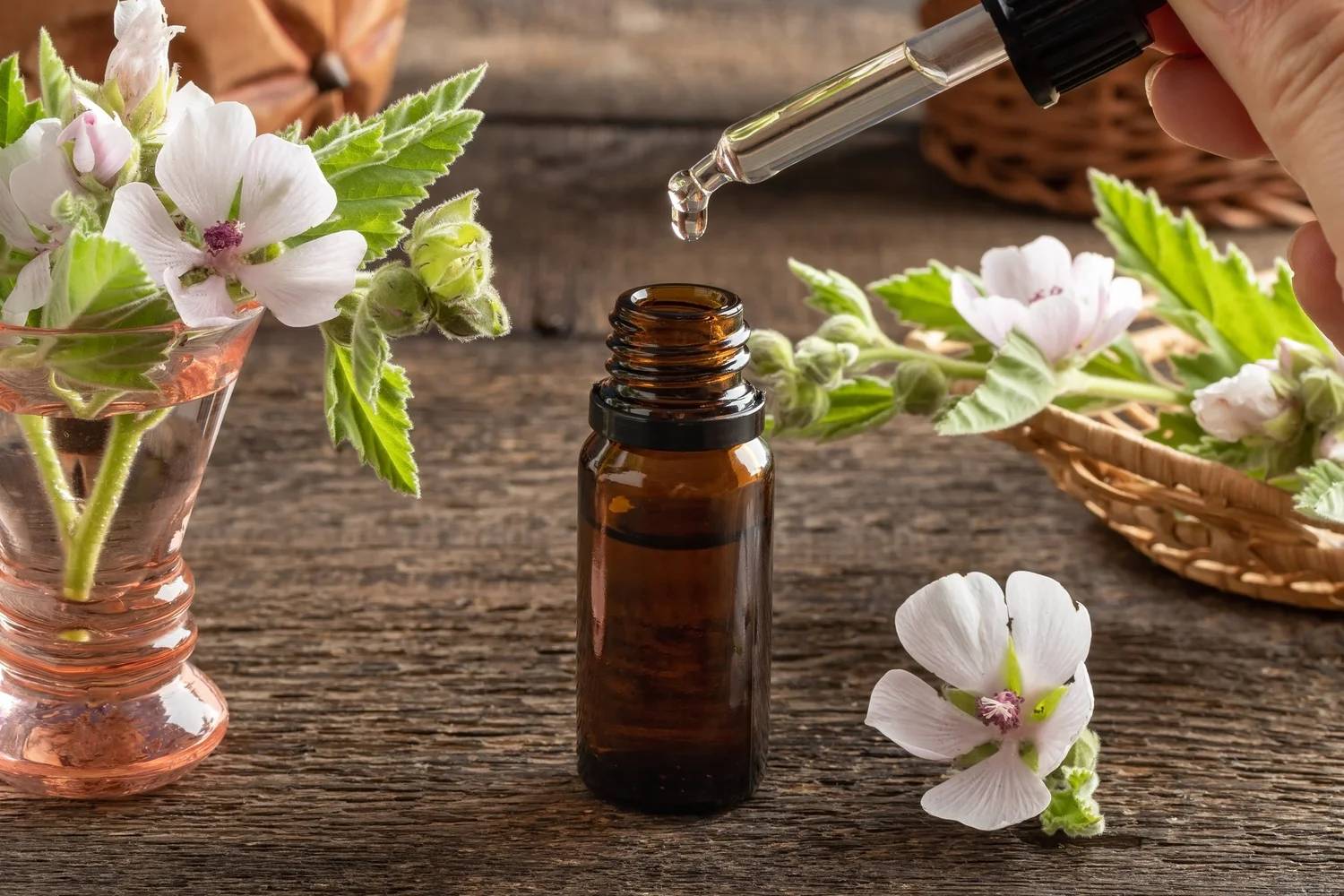
This powerful tincture combines mullein and marshmallow herbs to offer natural respiratory support.
It’s a soothing blend designed to help ease congestion and support your airways.
A gentle yet effective way to promote clearer breathing.
Key Ingredients:
Benefits:
- Respiratory Support
- Sinus Congestion Relief
- Soothing Properties
Pro Tip: Adding a touch of peppermint can enhance the flavor and further help open up your sinuses.
Get the Recipe: Respiratory Support Tincture with Mullein and Marshmallow
8. Relaxing Herbal Tincture with Lavender and Chamomile
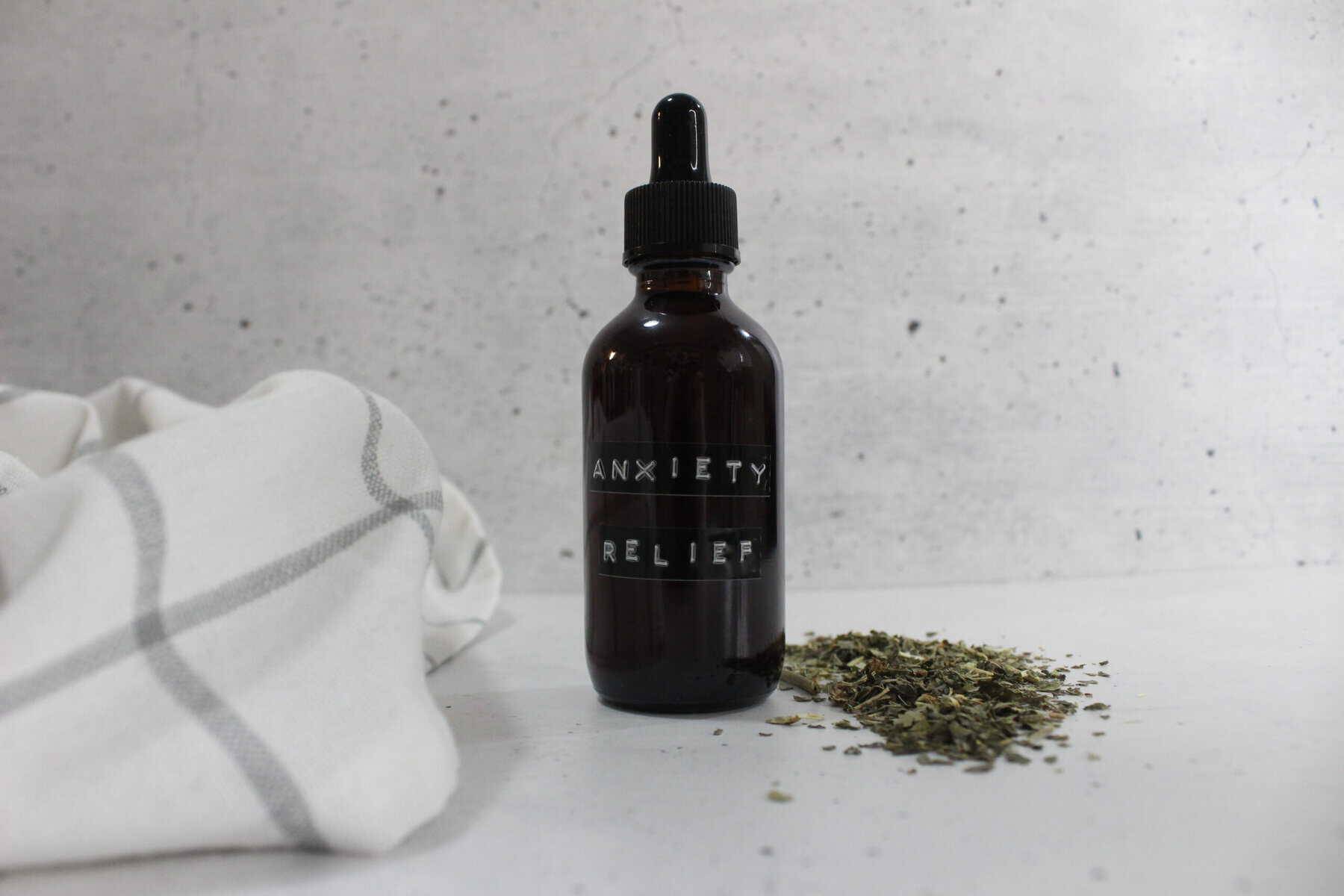
Unwind and find your calm with this soothing herbal tincture.
Featuring a blend of lavender, chamomile, and lemon balm, it’s crafted to help you relax and de-stress.
A few drops can create a moment of peace in your busy day.
Key Ingredients:
Benefits:
- Promotes Relaxation
- Reduces Stress
- Aids Sleep
- Uplifts Mood
Pro Tip: For an alcohol-free option, substitute vegetable glycerin for vodka.
Get the Recipe: Relaxing Herbal Tincture with Lavender and Chamomile
9. Elderberry and Echinacea Tinctures for Immunity
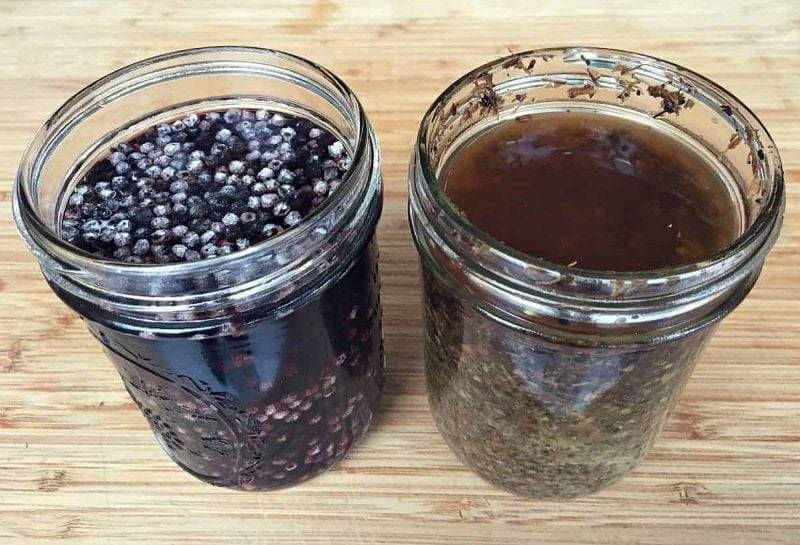
Build up your natural defenses with these potent elderberry and echinacea tinctures.
Elderberry is celebrated for its ability to shorten cold duration, while echinacea is known for its immune-supporting properties.
A fantastic duo for staying well, especially during cooler months.
Key Ingredients:
Benefits:
- Supports Immune System
- Antiviral Properties
- Reduces Cold Duration
Pro Tip: These tinctures can be taken by the spoonful or added to your favorite juice.
Get the Recipe: Elderberry and Echinacea Tinctures for Immunity
Save this post for later 📩
Not ready to read it all now? Send it to yourself and come back whenever you're ready.
10. Herbal Tinctures for Sleep and Calm
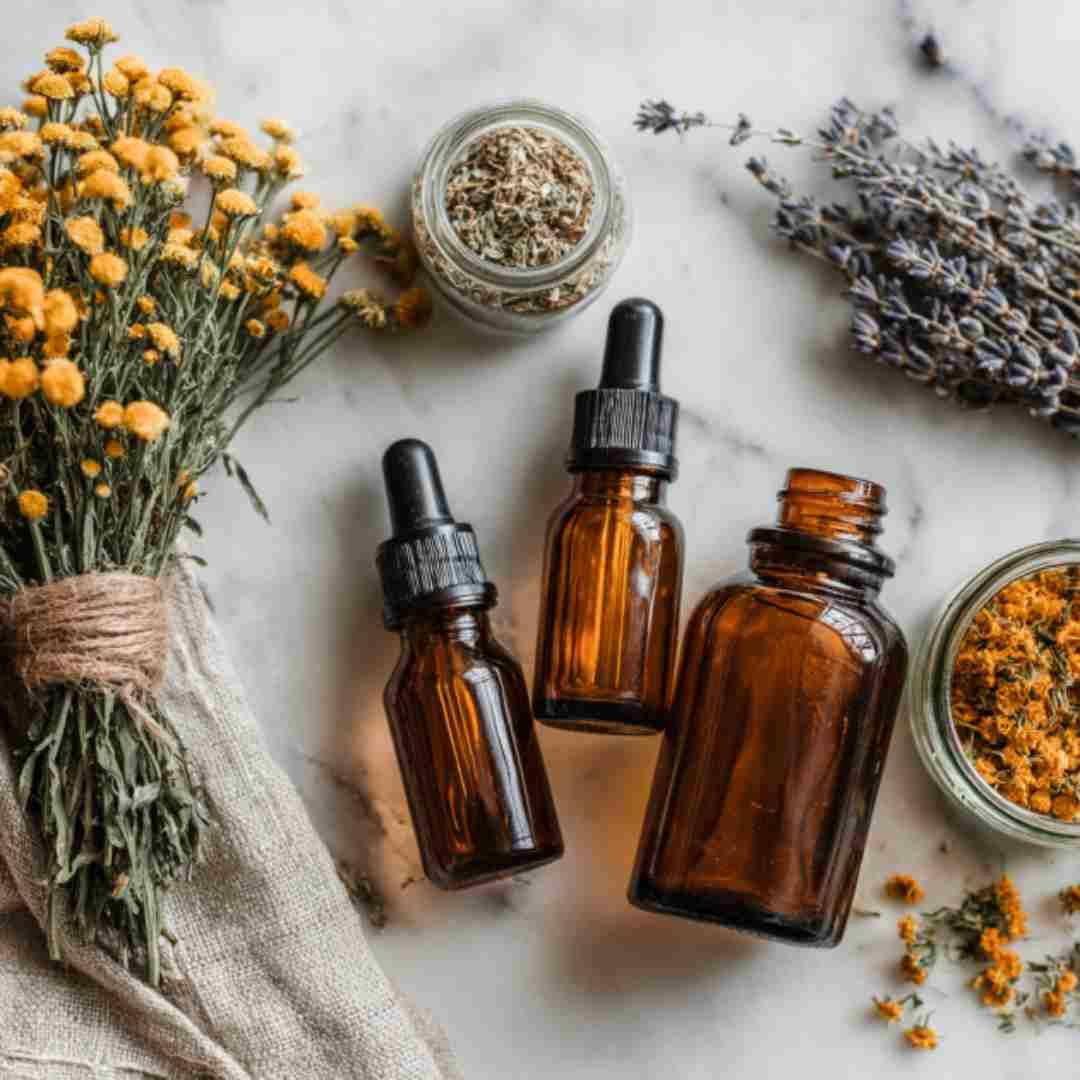
Discover the power of herbs like chamomile and lemon balm in this guide to making effective tinctures.
These gentle yet potent extracts are perfect for promoting restful sleep and easing feelings of anxiety.
A natural way to bring more peace to your nights and days.
Key Ingredients:
- Chamomile
- Lemon Balm
- Valerian Root
- Ashwagandha
- Dandelion Root
- Milk Thistle
- Peppermint
- Passionflower
- Nettle
- Turmeric
- High-proof Alcohol or Vegetable Glycerin
Benefits:
- Promotes Sleep
- Calms Nerves
- Uplifts Mood
- Supports Digestion
- Detoxification
Pro Tip: For a less potent taste, add your tincture to a small glass of water or your favorite herbal tea.
Get the Recipe: Herbal Tinctures for Sleep and Calm
11. Simple Dried Herb Tincture Guide
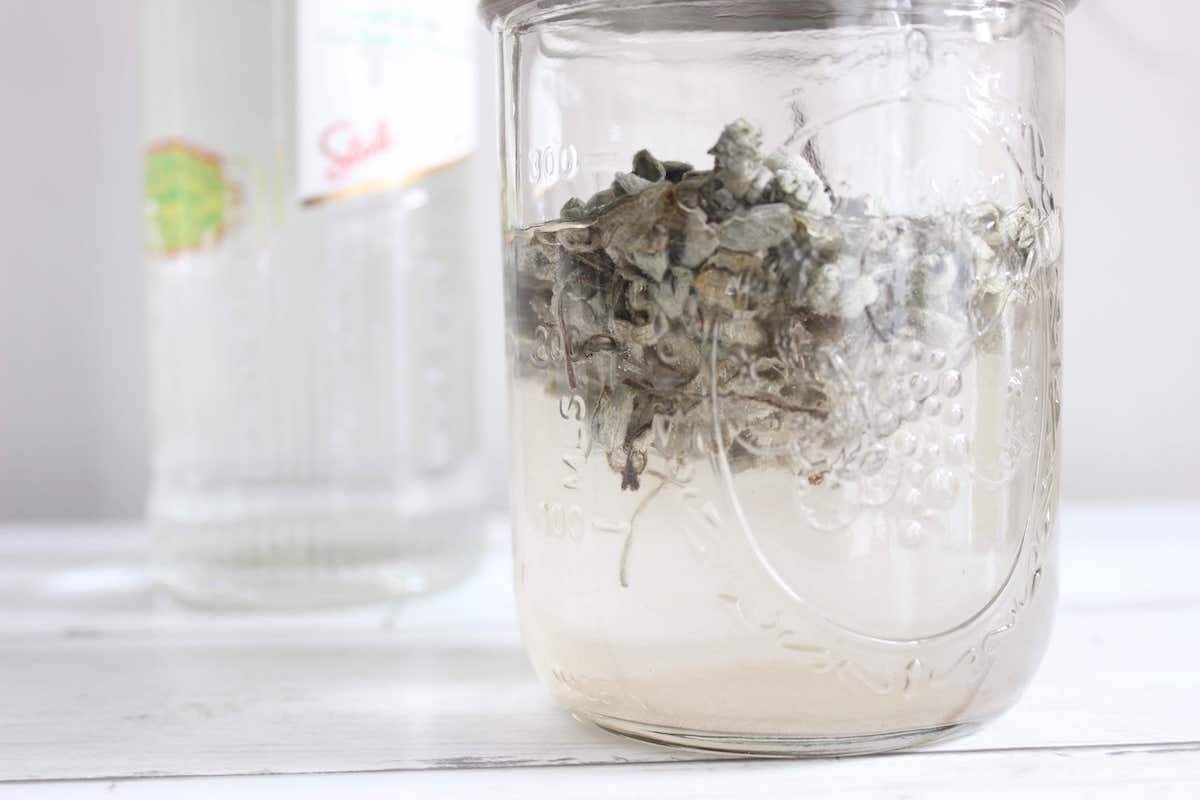
Learn the fundamental steps to creating potent herbal tinctures using dried herbs.
This guide breaks down the process, emphasizing the benefits of using alcohol as a solvent for maximum extraction and preservation.
It’s a foundational resource for building your own natural apothecary.
Key Ingredients:
Benefits:
- Preserves Medicinal Properties
- Long Shelf Life
- Potent Herbal Extracts
- Customizable Blends
Pro Tip: Using dried herbs allows for easier storage and a longer shelf life for your tinctures.
Get the Recipe: Simple Dried Herb Tincture Guide
12. Sleepy Time Tincture with Chamomile, Catnip, and Lavender
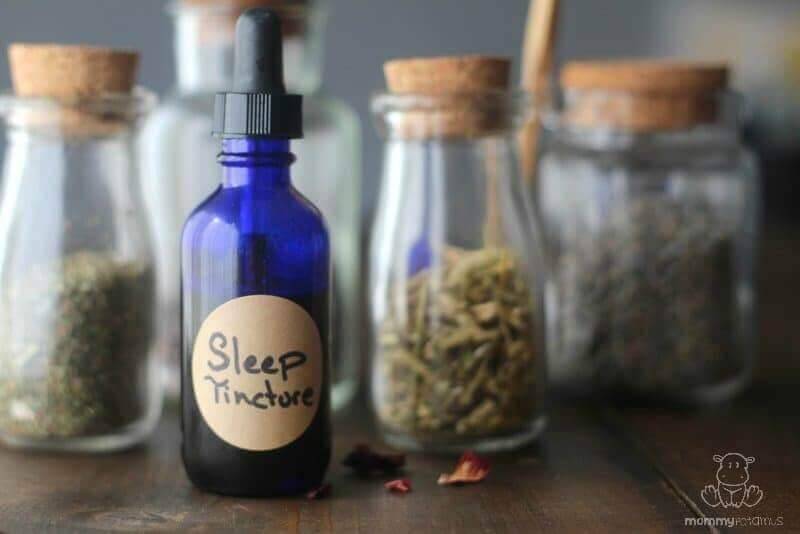
Drift into a peaceful slumber with this calming sleep tincture.
It’s a wonderful way to simplify bedtime routines, especially for families, as it uses gentle herbs known for their soothing qualities.
The blend of chamomile, catnip, and lavender not only aids relaxation but also tastes pleasant, making it an easy addition to your evening wind-down.
Key Ingredients:
Benefits:
- Promotes restful sleep
- Calms the nervous system
- Simplifies bedtime routine
- Family-friendly
Pro Tip: Glycerin-based tinctures are a great choice for children or those who want to avoid alcohol, as glycerin is naturally sweet and palatable.
Get the Recipe: Sleepy Time Tincture with Chamomile, Catnip, and Lavender
13. Gentle Herbal Tincture Base Guide
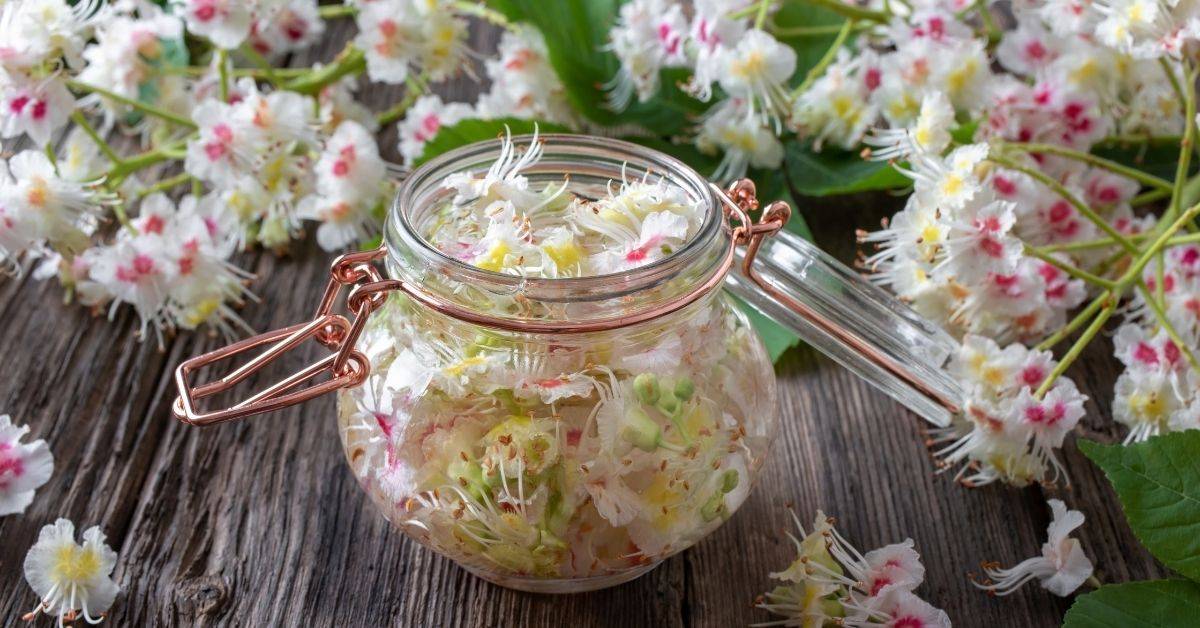
This guide offers a clear path to making herbal tinctures at home, focusing on approachable methods for beginners.
It explains how to extract the goodness from herbs using alcohol, vinegar, or glycerin, so you can choose the best base for your needs.
Discover the benefits of various herbs and learn simple steps to create your own natural remedies.
Key Ingredients:
Benefits:
- Customizable herbal remedies
- Supports health and immunity
- Easy to make at home
- Versatile extraction bases
Pro Tip: Always label your tinctures with the herb name, base used, and the date they were made to keep track of your creations.
Get the Recipe: Gentle Herbal Tincture Base Guide
14. Alcohol-Free Herbal Tinctures with Glycerin or Vinegar
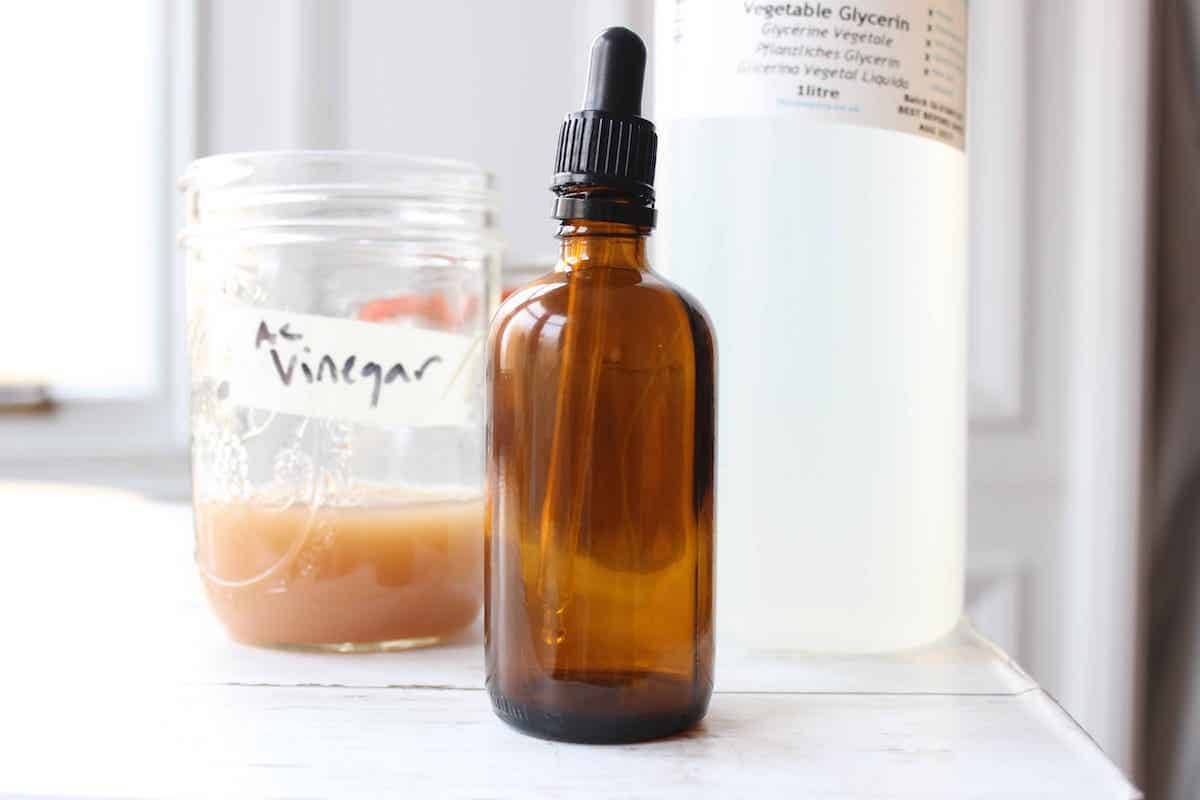
Explore the ease of making alcohol-free tinctures using either vegetable glycerin or apple cider vinegar.
These bases are perfect for those who prefer to avoid alcohol, making them child-friendly and versatile for adding to teas or smoothies.
Learn how to extract the natural benefits of herbs for a gentle, accessible wellness boost.
Key Ingredients:
Benefits:
- Alcohol-free option
- Suitable for children
- Gentle and versatile
- Easy to incorporate into daily life
Pro Tip: Glycerin tinctures are particularly good for dry plant material, while vinegar tinctures work well with fresh herbs and can add extra benefits like aiding digestion.
Get the Recipe: Alcohol-Free Herbal Tinctures with Glycerin or Vinegar
15. Folk Method Herbal Tinctures
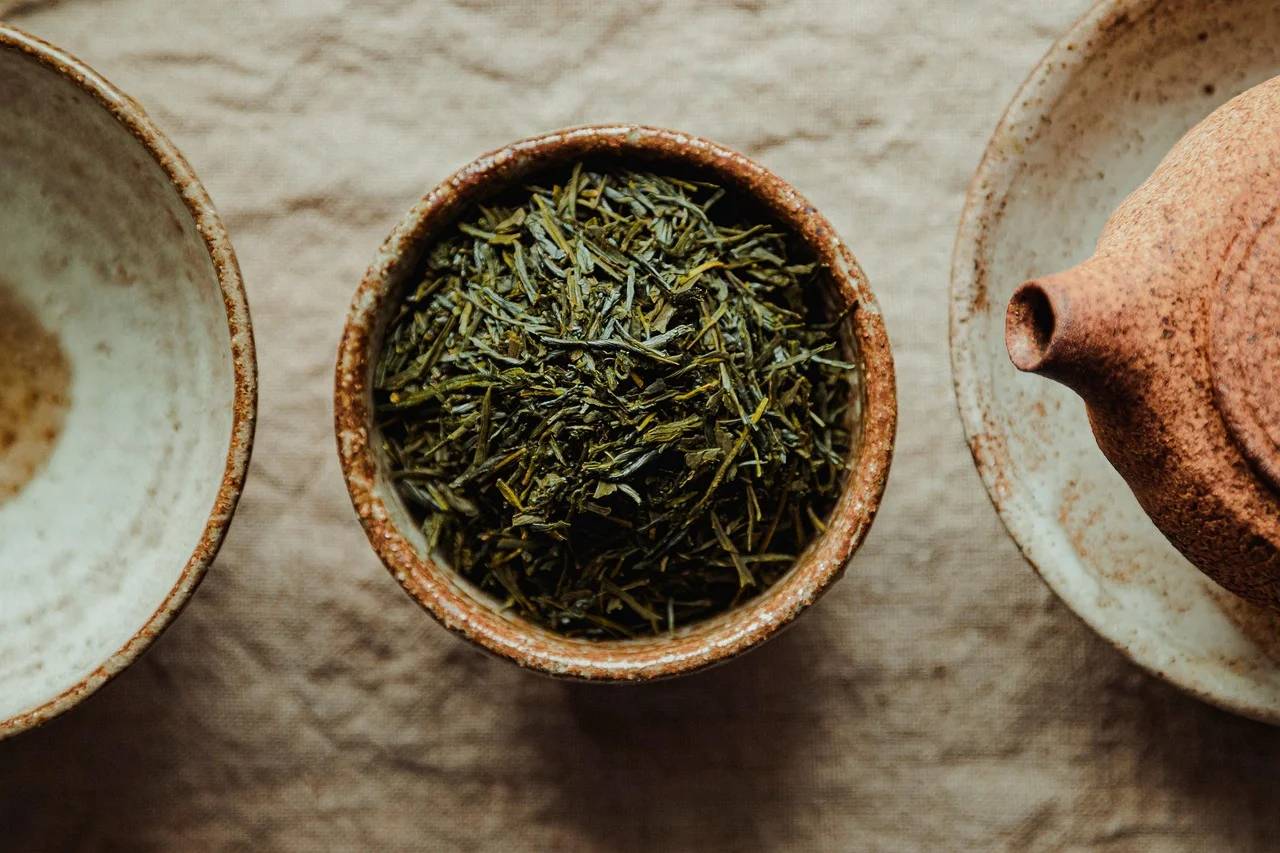
Discover the simple and intuitive ‘folk method’ for creating your own potent herbal tinctures.
This approach encourages a personal connection with herbs, making it ideal for beginners.
You’ll learn how to steep plant materials in alcohol to create a concentrated extract that can be stored for years and used for various wellness needs.
Key Ingredients:
Save this post for later 📩
Not ready to read it all now? Send it to yourself and come back whenever you're ready.
Benefits:
- Easy and intuitive process
- Long shelf life
- Potent herbal extracts
- Empowering self-care practice
Pro Tip: For beginners, starting with a simple herb like peppermint for digestion or echinacea for immune support is a great way to get comfortable with tincture making.
Get the Recipe: Folk Method Herbal Tinctures
16. Quick & Easy Herbal Tincture Guide
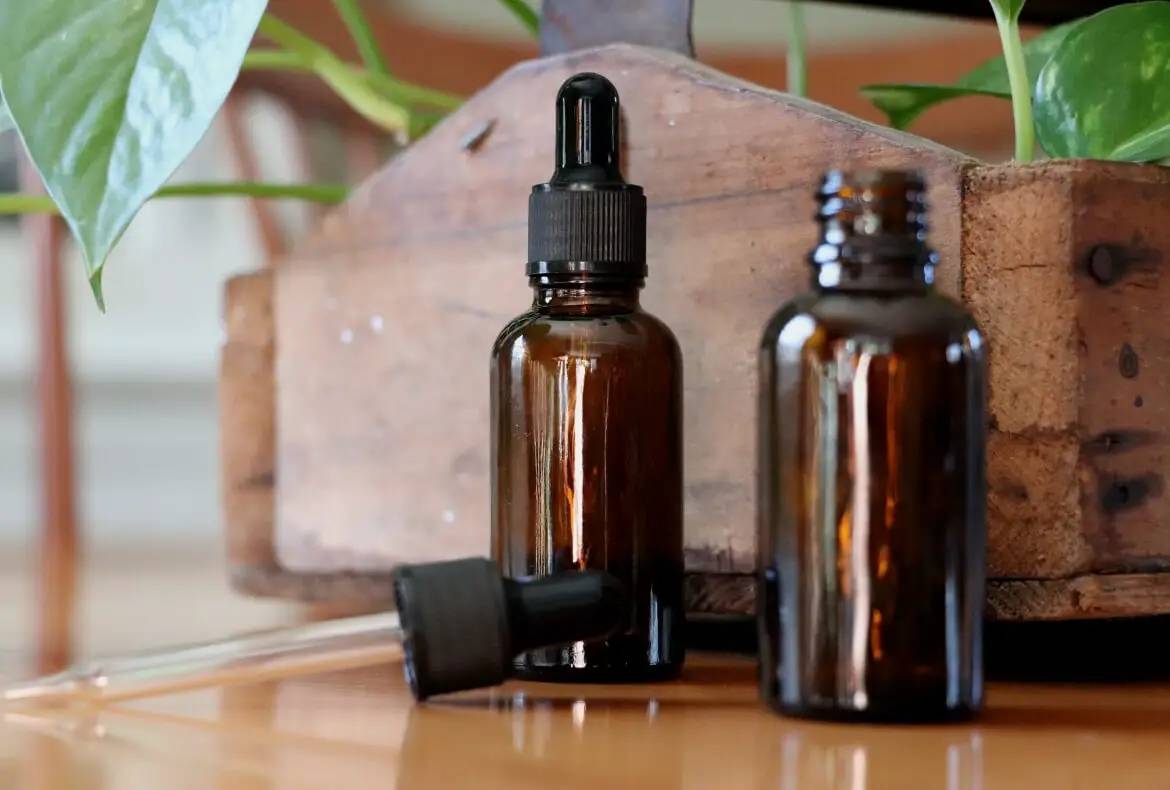
Learn the straightforward process of making herbal tinctures, which are a concentrated and long-lasting way to benefit from plant properties.
This guide covers the essential supplies and methods, including the popular folk method.
Tinctures are easy to store, transport, and consume, making them a convenient addition to any natural wellness routine.
Key Ingredients:
Benefits:
- Highly concentrated
- Easy to store and transport
- Long shelf life (alcohol-based)
- Quick and simple to make
Pro Tip: When using fresh herbs, opt for a higher proof alcohol (like 100 proof vodka) to help preserve the tincture and prevent spoilage due to the herb’s moisture content.
Get the Recipe: Quick & Easy Herbal Tincture Guide
17. Rosemary Tincture for Memory and Hair
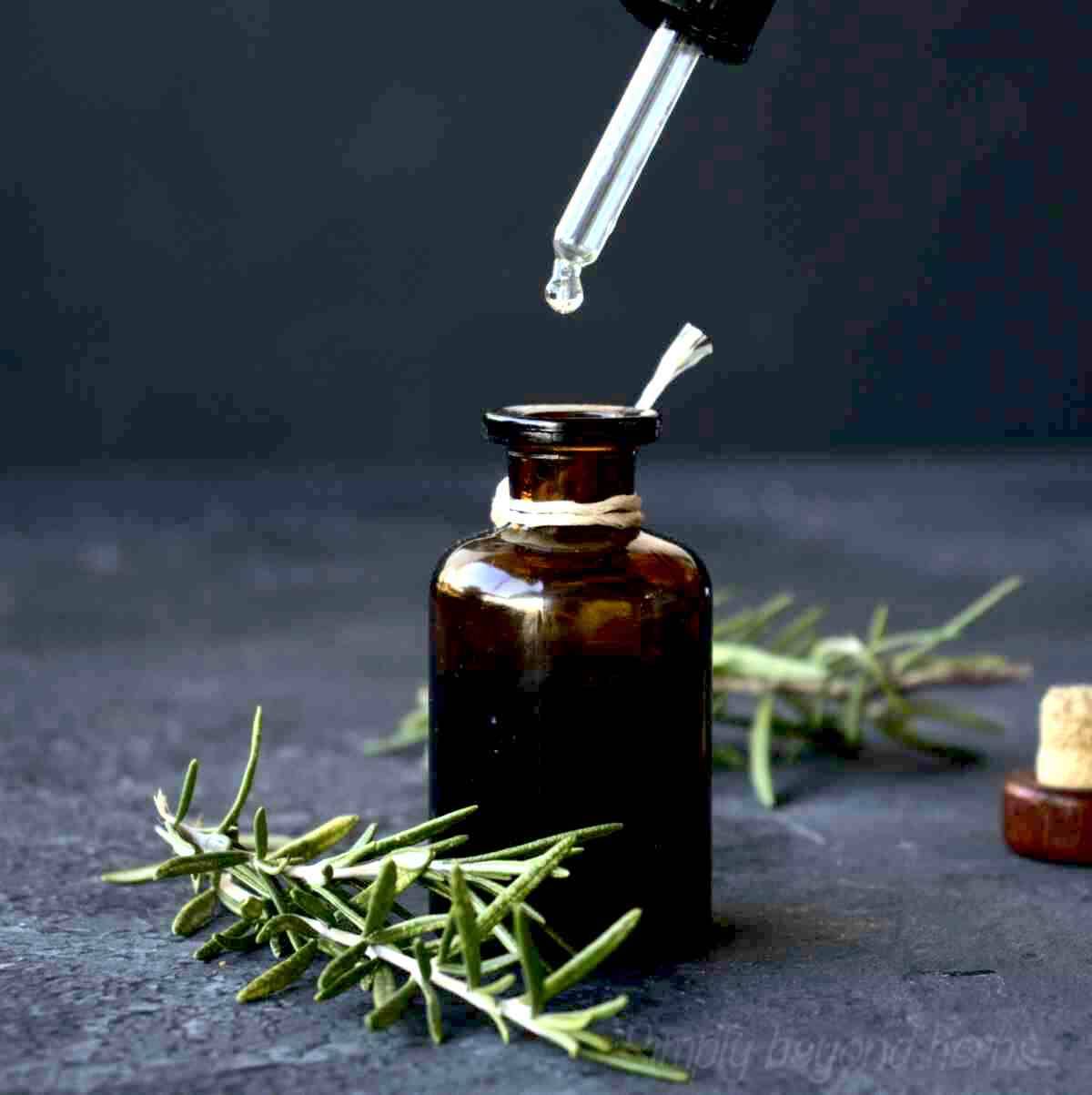
This vibrant rosemary tincture is a fantastic way to capture the herb’s powerful properties.
Made with fresh rosemary and vodka, it’s known for its ability to enhance memory and cognition.
Plus, it’s a secret weapon for promoting hair growth and revitalizing your scalp.
Just a few drops can add a potent boost to your day, offering a concentrated dose of rosemary’s goodness in a convenient liquid form.
Key Ingredients:
Benefits:
- Improves Memory
- Promotes Hair Growth
- Boosts Immune System
- Reduces Pain
Pro Tip: For a non-alcoholic version, try using vegetable glycerine or apple cider vinegar as your solvent.
Get the Recipe: Rosemary Tincture for Memory and Hair
18. Holy Basil Tincture for Stress and Immunity
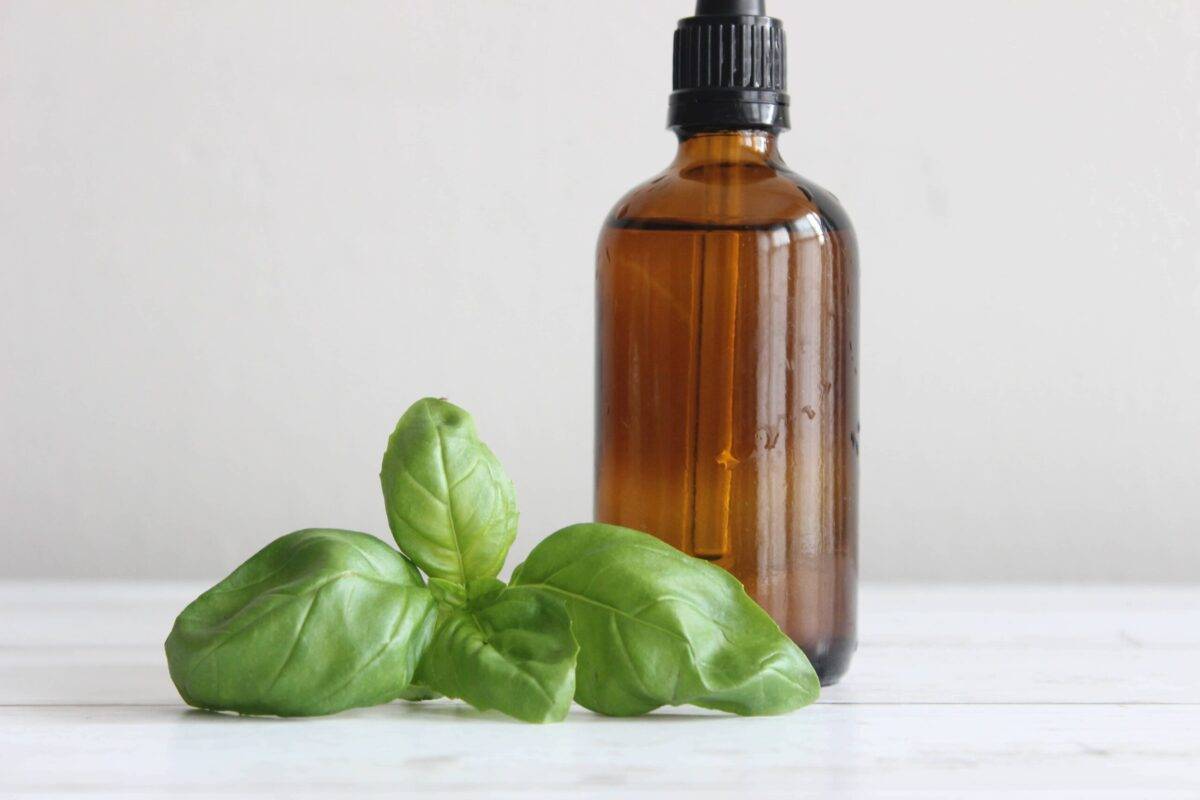
Discover the adaptogenic power of holy basil with this simple tincture.
Holy basil, also known as tulsi, is cherished for its incredible ability to help your body adapt to stress and promote a sense of calm.
This tincture is also great for supporting your immune system and aiding digestion.
It’s an easy and effective way to incorporate this sacred herb’s many benefits into your daily wellness routine.
Key Ingredients:
Benefits:
- Reduces Stress and Anxiety
- Supports Immune System
- Aids Digestion
- Anti-inflammatory Properties
Pro Tip: You can add this tincture to smoothies or salad dressings for a tasty health boost.
Get the Recipe: Holy Basil Tincture for Stress and Immunity