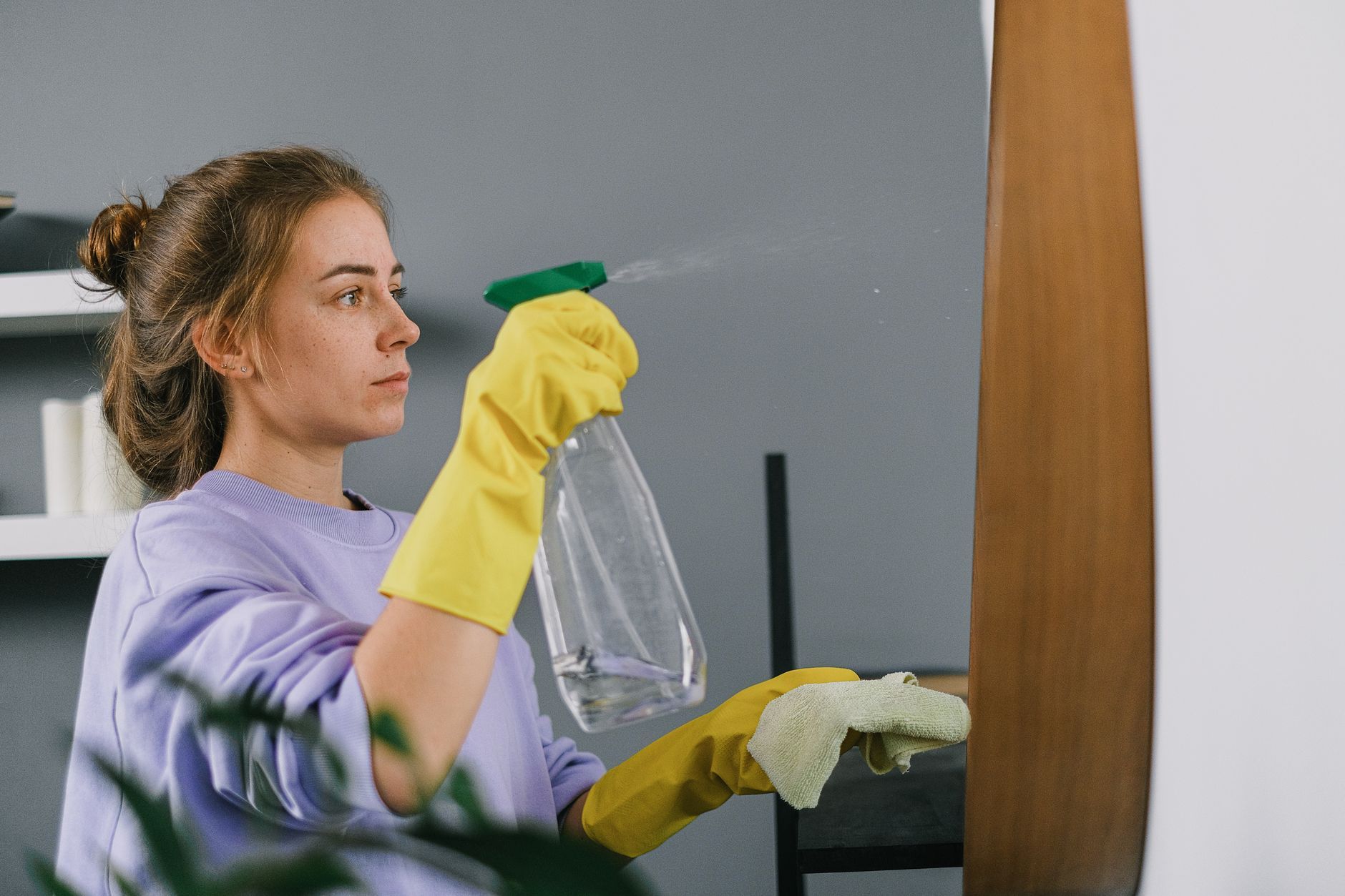
In today’s homes, screens are everywhere – from the windows that let in natural light to the electronic devices that keep us connected and entertained.
Keeping these surfaces clean isn’t just about aesthetics; it’s about functionality and clarity.
Dust, pollen, pet dander, and greasy fingerprints can accumulate, obscuring views and making our devices harder to use.
While commercial screen cleaners are readily available, they can be expensive and often laden with harsh chemicals.
Fortunately, you can achieve sparkling clean screens with simple, cost-effective, and eco-friendly homemade solutions.
This guide will walk you through effective recipes suitable for a variety of screens, from your cherished television to your refreshing window panes.
Table of Contents
Why Choose Homemade Screen Cleaners?
Opting for homemade screen cleaners offers a multitude of advantages.
Save this post for later 📩
Not ready to read it all now? Send it to yourself and come back whenever you're ready.
Foremost among these is cost savings.
You’ll find that the ingredients needed are likely already in your pantry, making these solutions significantly cheaper than their store-bought counterparts.
Furthermore, you gain complete control over the ingredients.
This means you can avoid potentially harsh chemicals like ammonia, sulfates, or artificial fragrances that might irritate your skin or be detrimental to the environment.
This reduces your chemical exposure within your home, contributing to a healthier living space.
Environmentally, DIY cleaners mean less plastic waste from packaging and fewer chemicals being washed down drains.
It’s a win-win for your wallet, your health, and the planet.
Many everyday household ingredients possess excellent cleaning properties, making them perfect for repurposing into effective screen cleaners.
Essential Ingredients for DIY Screen Cleaners
The magic of homemade screen cleaners lies in the power of simple, effective ingredients.
Distilled water is your primary base.
Unlike tap water, distilled water has had its impurities and minerals removed, which is crucial for preventing unsightly mineral deposits and water spots, especially on sensitive electronic screens.
White vinegar is a champion at cutting through grime, grease, and leaving a streak-free shine, thanks to its natural acidity.
For tackling stubborn oils and grease, rubbing alcohol or isopropyl alcohol is invaluable.
It evaporates quickly, minimizing the risk of liquid damage on electronics.
A tiny amount of mild dish soap can act as a gentle detergent to break down dirt and stuck-on debris without being overly harsh.
Finally, essential oils are an optional addition for a pleasant, natural fragrance.
Some oils, like peppermint or lavender, are also known for their mild insect-repelling properties, which can be a bonus for window screens.
Recipe 1: The All-Purpose Vinegar and Water Screen Cleaner
This recipe is your go-to for general screen maintenance, effective on everything from window screens to many common electronic displays.
The balanced combination of vinegar and water works wonders to lift dust, pollen, and everyday smudges, leaving your screens clear and bright.
It’s a straightforward and reliable solution that requires minimal effort and supplies, making it an excellent starting point for all your screen cleaning needs.
Step-by-Step Instructions
- Gather your ingredients: 1 part distilled white vinegar, 2 parts distilled water.
- Combine the vinegar and distilled water in a clean spray bottle.
- Shake the bottle gently to mix the solution.
- Lightly mist the screen or a microfiber cloth with the solution. Avoid spraying directly onto electronic screens; instead, spray onto the cloth.
- Wipe the screen gently with a clean, lint-free microfiber cloth.
- For stubborn spots, you may need to gently scrub with the cloth.
- Wipe dry with a separate, clean, dry microfiber cloth to prevent streaks.
Recipe 2: Streak-Free Isopropyl Alcohol Screen Cleaner
When greasy fingerprints and stubborn smudges mar your view, this isopropyl alcohol-based cleaner is your hero.
Isopropyl alcohol is excellent at dissolving oils and grease, and its rapid evaporation rate helps prevent streaks and drips, particularly on sensitive electronic screens.
Remember, when using this on electronics, always exercise caution and apply it sparingly to your cloth, never directly to the device.
Save this post for later 📩
Not ready to read it all now? Send it to yourself and come back whenever you're ready.
Step-by-Step Instructions
- Gather your ingredients: 1 part isopropyl alcohol (70% or higher), 3 parts distilled water.
- Mix the isopropyl alcohol and distilled water in a clean spray bottle.
- Shake the bottle gently to ensure the ingredients are well combined.
- Lightly spray a clean microfiber cloth with the solution. Do NOT spray directly onto electronic devices.
- Gently wipe the screen in a consistent direction (e.g., side to side or top to bottom).
- Use a separate, dry microfiber cloth to buff the screen for a streak-free finish.
Recipe 3: Gentle Dish Soap and Water for Tougher Grime
For those screens that have seen better days – think porch doors coated in dirt and pollen after a season outdoors – this gentle dish soap and water solution is perfect.
A very small amount of mild dish soap acts as a powerful yet gentle degreaser, effectively lifting away accumulated dirt and grime without stripping protective coatings or leaving residue.
The key is using just a hint of soap to create a mild lather.
Step-by-Step Instructions
- Gather your ingredients: 1-2 drops of mild liquid dish soap, 2 cups of warm distilled water.
- Pour the warm distilled water into a small bowl or basin.
- Add 1-2 drops of mild liquid dish soap to the water and stir gently to create a mild lather. Avoid creating excessive suds.
- Dip a clean microfiber cloth into the soapy water and wring it out thoroughly so it is damp, not dripping.
- Wipe down the screen, paying attention to any soiled areas.
- Rinse the cloth with clean water, wring it out, and wipe the screen again to remove any soap residue.
- Dry the screen completely with a clean, dry microfiber cloth.
Important Considerations for Screen Cleaning
Before you dive into cleaning, it’s crucial to understand that not all screens are created equal.
Screen types and materials vary significantly – from the delicate coatings on your smartphone to the vinyl or aluminum of your window screens.
Always test any homemade cleaner on an inconspicuous area first, especially for electronic screens, to ensure it doesn’t cause discoloration or damage.
Avoid abrasive materials like paper towels, rough cloths, or scouring pads, as they can easily scratch surfaces.
Similarly, steer clear of harsh chemicals such as ammonia, acetone, or window cleaners not specifically designed for electronics, as these can strip anti-glare coatings and cause permanent damage.
For electronic devices, always turn them off before cleaning and allow them to dry completely before powering them back on.
Microfiber cloths are your best friend; their soft, lint-free fibers are designed to clean effectively without scratching or leaving residue.
Tips for Cleaning Different Types of Screens
When cleaning window screens, whether interior or exterior, start by using a vacuum cleaner with a brush attachment or a soft brush to remove loose dust and debris.
For interior screens, the vinegar and water solution (Recipe 1) is usually sufficient.
For exterior screens that face more environmental exposure, you might opt for a slightly more thorough wipe-down using a damp cloth with the mild dish soap solution (Recipe 3), followed by a clean water rinse.
For electronic screens like TVs, computer monitors, and phone screens, extreme caution is paramount.
Save this post for later 📩
Not ready to read it all now? Send it to yourself and come back whenever you're ready.
Always use the isopropyl alcohol solution (Recipe 2) sparingly, spraying it onto the microfiber cloth first, and wiping gently.
Avoid excessive moisture and never spray liquids directly onto the screen.
If you have pets, you might find sticky paw prints or hair on your screens; a slightly damp microfiber cloth can often tackle these gently.
Remember, for electronics, less liquid is always more.
Conclusion
Achieving crystal-clear screens throughout your home doesn’t require expensive or complicated products.
With these simple, homemade screen cleaner recipes, you can effectively tackle dust, grime, and smudges using common household ingredients.
Not only will you save money, but you’ll also create a healthier, more environmentally friendly cleaning routine.
So, gather your distilled water, vinegar, and a few other staples, and get ready to enjoy the clarity and beauty of sparkling clean screens.
We encourage you to try these recipes and experience the difference for yourself.
Do you have any favorite homemade screen cleaning tips or recipes? Share them in the comments below – we’d love to hear from you!.