
In today’s world, understanding what we consume is more critical than ever.
Fruits and vegetables, while vital for a balanced diet, can harbor a range of unwelcome guests – from stubborn dirt and agricultural residues like pesticides and herbicides to harmful bacteria.
Thoroughly washing your produce is a fundamental step in ensuring its safety and maximizing its nutritional benefits.
Fortunately, you don’t need specialized, expensive products to achieve this.
Your pantry likely holds the keys to creating simple, yet incredibly effective, homemade vegetable washes.
By harnessing the power of natural, everyday ingredients, you can significantly reduce your exposure to harmful contaminants, promote healthier eating habits, and enjoy the peace of mind that comes with knowing your food is as clean as it can be.
The advantages of these DIY washes are numerous: they are incredibly cost-effective, significantly kinder to the environment by reducing plastic waste and chemical runoff, and importantly, they give you complete control over the ingredients you use, avoiding unnecessary additives.
Table of Contents
Why Wash Your Produce?
The journey of our fruits and vegetables from farm to fork is a long one, and along the way, they can accumulate a variety of contaminants.
These commonly include agricultural pesticides and herbicides applied to protect crops, which can leave residues that are difficult to remove.
Beyond chemicals, produce can be covered in dirt, soil, and sand, especially root vegetables and those grown close to the ground.
Save this post for later 📩
Not ready to read it all now? Send it to yourself and come back whenever you're ready.
Furthermore, throughout the harvesting, packaging, and transport process, fruits and vegetables are handled by many people and exposed to various environments, increasing the risk of contamination with potential bacteria, such as E.
coli or Salmonella.
Consuming unwashed or inadequately washed produce can pose significant health risks.
Ingesting chemical residues from pesticides and herbicides can have long-term health implications.
Moreover, unwashed produce is a common culprit in foodborne illnesses, leading to unpleasant symptoms like nausea, vomiting, diarrhea, and fever.
These risks are present regardless of whether the produce is conventionally grown or organic.
It’s a common misconception that organic produce doesn’t need washing.
While organic farming avoids synthetic pesticides and herbicides, organic produce can still carry dirt, soil, and bacteria from its natural environment and handling.
Therefore, a thorough wash is beneficial for all types of produce to ensure it is free from physical debris and microbial contaminants.
Understanding Key Ingredients for Homemade Washes
The magic behind effective homemade vegetable washes lies in the potent cleaning properties of common household staples.
These ingredients are not only readily available but also gentle on your produce and the environment.
Vinegar, particularly distilled white vinegar, is a star player.
Its primary active component, acetic acid, is a natural disinfectant.
Acetic acid is effective at breaking down waxy coatings often found on produce and can help kill a range of bacteria and mold.
Its acidity also helps lift and dissolve stubborn residues.
Baking soda, scientifically known as sodium bicarbonate, is a mild alkali that works wonders as a gentle cleaner.
Its fine, crystalline structure makes it a mild abrasive, perfect for scrubbing away dirt and loosening residues without damaging the delicate surfaces of fruits and vegetables.
It also helps to neutralize odors.
Salt, a simple mineral, acts as another effective abrasive agent.
When dissolved in water, it can help scrub away dirt and, due to its hygroscopic nature, can assist in drawing out impurities from the produce’s surface.
Lemon juice, with its natural acidity, complements vinegar’s cleaning power.
The citric acid in lemon juice helps to break down residues and can also act as a mild disinfectant.
Plus, it leaves a wonderfully fresh scent on your produce.
While typically used for dishes, a mild liquid dish soap can be employed with extreme caution for particularly greasy or heavily soiled items.
Its mild surfactant properties can help lift oils and stubborn grime.
However, its use requires meticulous rinsing to ensure no soapy residue remains.
Simple Vinegar and Water Vegetable Wash
This is the go-to, fundamental wash for a reason: it’s exceptionally effective and incredibly simple to prepare.
The combination of water and vinegar is a powerful duo for tackling common contaminants.
This wash is highly effective against a wide range of agricultural residues and demonstrably effective at reducing the presence of certain bacteria on the surface of your fruits and vegetables.
Step-by-Step Instructions
- In a clean bowl or spray bottle, combine 1 cup of distilled white vinegar with 3 cups of cool water. Ensure your bowl or spray bottle is thoroughly cleaned before use.
- Gently swish the produce in the solution, ensuring all surfaces are submerged. Alternatively, if using a spray bottle, spray it generously onto the produce.
- For tougher residues, allow the produce to soak for 1-2 minutes.
- After soaking or swishing, rinse thoroughly with clean, cool running water to remove both the solution and any loosened contaminants.
- Dry the produce with a clean kitchen towel or allow it to air dry completely before storing.
Baking Soda and Water Vegetable Wash
For those who are sensitive to the smell or taste of vinegar, or for produce with thicker skins that might benefit from a gentle scrub, the baking soda and water wash is an excellent alternative.
It’s particularly good at lifting physical dirt and residues.
Baking soda’s gentle abrasive quality helps to lift dirt, grime, and residues from the surface of fruits and vegetables without causing damage.
Step-by-Step Instructions
- In a clean bowl, mix 1 tablespoon of baking soda with 3 cups of cool water. Stir until the baking soda is mostly dissolved.
- Submerge the produce in the solution and gently agitate it with your hands to ensure all surfaces come into contact with the mixture.
- Let the produce sit in the solution for approximately 5-10 minutes to allow the baking soda to work.
- Rinse thoroughly under cool running water, ensuring no baking soda particles remain.
- Dry the produce completely using a clean towel or by air drying.
Vinegar, Baking Soda, and Water Vegetable Wash
This powerful combination leverages the best of both worlds, offering a dual-action cleaning approach that can tackle more stubborn contaminants.
The initial reaction between vinegar and baking soda can help loosen dirt and residues effectively.
The effervescent reaction between vinegar and baking soda creates bubbles that can help dislodge dirt and residues from the produce’s surface.
Save this post for later 📩
Not ready to read it all now? Send it to yourself and come back whenever you're ready.
This chemical reaction aids in the overall cleaning process, making it a robust option.
Step-by-Step Instructions
- In a clean bowl, carefully mix 1/2 cup of white vinegar and 1/2 cup of baking soda with 2 cups of cool water. Be prepared for the mixture to fizz vigorously as the chemical reaction occurs.
- Allow the mixture to subside slightly before proceeding.
- Gently add your produce and swirl it around to ensure it is well coated with the solution. The fizzing action will help lift debris.
- Soak the produce for 5-10 minutes, allowing the ingredients to work.
- It is crucial to rinse very thoroughly with clean water to remove any lingering residue from the vinegar and baking soda.
- Dry the produce well to prevent moisture-related spoilage.
Lemon Juice and Water Vegetable Wash
Beyond its refreshing scent, lemon juice offers potent cleaning capabilities thanks to its natural acidity.
This wash is particularly pleasant for produce that might absorb flavors, like berries, and it adds a bright, clean aroma.
The acidic properties of lemon juice work similarly to vinegar, helping to break down waxy coatings and dissolve residues.
It also has mild antibacterial properties and can contribute to a brighter appearance of some produce.
Step-by-Step Instructions
- Squeeze the juice of one fresh lemon into a bowl filled with 3 cups of cool water. Ensure seeds are removed.
- Add the produce to the lemon water solution.
- Gently agitate the produce in the water and let it soak for a few minutes.
- Rinse thoroughly with fresh, cool water to remove the lemon juice and any loosened debris.
- Dry the produce as you normally would.
Saltwater Vegetable Rinse
This is a wonderfully simple yet effective method, particularly useful for removing dirt, sand, and some surface residues, especially from leafy greens and root vegetables.
The salt acts as a gentle scrubber.
The abrasive nature of salt aids in the physical removal of dirt and grime.
It can also help to draw out some impurities from the surface of the produce.
Step-by-Step Instructions
- In a clean bowl, dissolve 1-2 tablespoons of salt in 4 cups of cool water. Stir until the salt is mostly dissolved.
- Submerge your vegetables and fruits in the saltwater solution.
- If possible, gently rub the produce under the water while it’s in the solution to help dislodge any stubborn particles.
- Allow the produce to soak for a few minutes.
- Rinse thoroughly with fresh water to remove all salt residue.
- Dry the produce well.
Using Mild Dish Soap (with caution)
While natural methods are preferred, there are times when produce might be particularly greasy or heavily soiled, requiring a more robust approach.
In such cases, a tiny amount of mild dish soap can be employed.
It is imperative to use only 1-2 drops of mild liquid dish soap in a large bowl of water.
Any more can leave an unpleasant taste and residue.
The primary concern here is the thoroughness of rinsing.
You must rinse the produce under a strong stream of clean running water for an extended period (at least 30 seconds per item) to ensure absolutely no soap residue remains.
This method should be considered a last resort for produce that doesn’t come clean with other, gentler methods.
Step-by-Step Instructions
- Add just 1-2 drops of mild liquid dish soap to a large bowl of cool water (about 4-6 cups).
- Gently wash produce by swishing it in the soapy water, ensuring all surfaces are coated. You can use your hands or a soft brush for tougher areas.
- Rinse the produce under a strong stream of clean running water for an extended period (aim for at least 30 seconds per item) to remove all soap residue. This step cannot be overemphasized.
- Dry thoroughly using a clean towel or air drying.
Best Practices for Using Homemade Vegetable Washes
The effectiveness of your homemade wash is enhanced by proper technique.
Always start by rinsing your produce under cool running water before applying any wash to remove loose dirt.
After using a wash, rinse thoroughly to remove the cleaning solution and any dislodged contaminants.
Drying your produce well is crucial.
Excess moisture can encourage bacterial growth and spoilage, so pat items dry with a clean towel or use a salad spinner for greens.
Save this post for later 📩
Not ready to read it all now? Send it to yourself and come back whenever you're ready.
Store washed and dried produce in the refrigerator to maintain freshness and prevent the growth of any remaining bacteria.
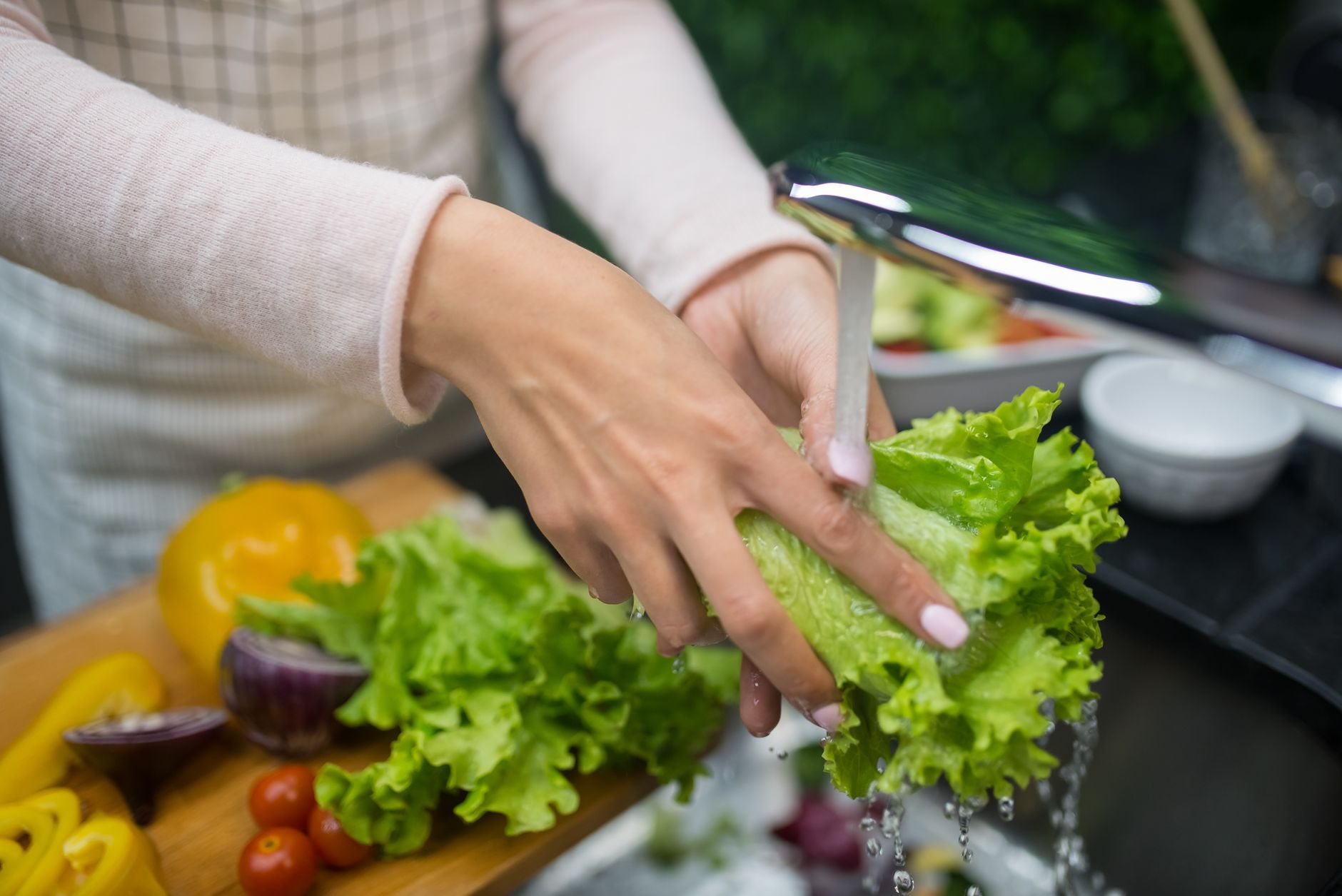
Leafy greens (like lettuce, spinach, kale) benefit greatly from soaking in a vinegar or baking soda solution to dislodge grit and potential contaminants from between their leaves.
Berries are delicate and best washed quickly by swishing them gently in a solution, then rinsing and drying immediately.
Root vegetables (like carrots, potatoes) can handle a bit more scrubbing with a baking soda paste or a firm brush after soaking.
Fruits with thicker skins (like apples, cucumbers) are also good candidates for the vinegar or saltwater washes.
Always use clean, cool water for rinsing.
This ensures you’re not reintroducing contaminants to your produce.
Proper storage is key to maintaining the cleanliness and freshness of your produce.
Once washed and thoroughly dried, store items in breathable containers or perforated bags in the refrigerator.
This helps to maintain airflow and prevent moisture buildup, inhibiting bacterial growth and extending shelf life.
Conclusion
Embracing homemade vegetable washes is a simple yet powerful step towards a healthier kitchen, a healthier you, and a healthier planet.
These recipes, using common pantry ingredients, offer an effective way to reduce your exposure to harmful residues, save money compared to commercial washes, and contribute to a more sustainable lifestyle by reducing waste.
We encourage you to incorporate these simple, natural recipes into your daily routine.
Whether it’s a quick vinegar rinse for your apples or a baking soda soak for your leafy greens, making washing a habit ensures your fruits and vegetables are as clean and safe as possible.
Take charge of your kitchen’s well-being.
Try these homemade methods today and enjoy the peace of mind that comes with serving and consuming cleaner, fresher, and safer fruits and vegetables.
Your body, your wallet, and the environment will thank you!.