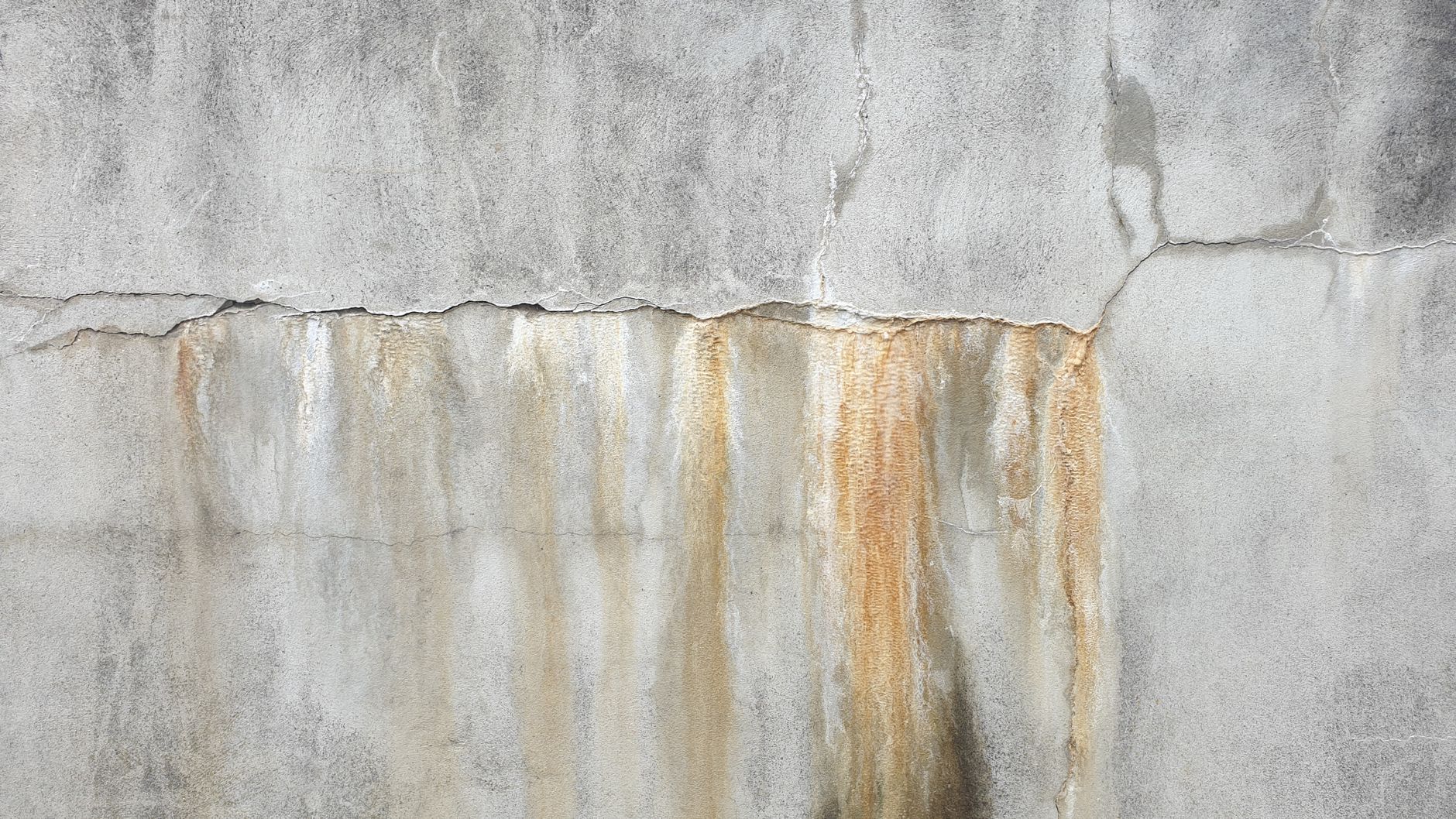
Rust stains on concrete can be an eyesore, transforming a clean driveway, patio, or sidewalk into a patchy, unappealing surface.
These unsightly marks often arise from common culprits like metal furniture left outdoors, garden tools, fertilizer bags, or even leaky plumbing.
While frustrating, these stains don’t have to be permanent.
Addressing them promptly is key to preventing them from setting deeper into the porous concrete.
Fortunately, several effective DIY methods exist to tackle rust stains, ranging from natural remedies to stronger chemical solutions.
This article will guide you through understanding the cause of these stains and provide step-by-step instructions for their removal, ensuring your concrete surfaces regain their pristine look.
Table of Contents
Understanding Rust Stains on Concrete
Rust, chemically known as iron oxide, forms when iron or its alloys are exposed to oxygen and moisture.
This reddish-brown substance has a tendency to bond with porous materials like concrete.
Save this post for later 📩
Not ready to read it all now? Send it to yourself and come back whenever you're ready.
The rough texture of concrete provides numerous small crevices for rust particles to adhere to, making them difficult to remove once they’ve had time to set.
The most frequent culprits behind rust stains on your concrete surfaces include: metal patio furniture that has weathered and rusted, garden tools like shovels and wheelbarrows left out in the elements, bags of fertilizer (many contain iron, which can leach out and stain), leaky outdoor faucets or pipes, and even the corrosion that can build up on vehicle tires and transfer to the pavement.
Metal planters and decorative items can also contribute significantly.
The longer a rust stain sits on concrete, the deeper it penetrates the porous surface.
This makes removal progressively harder.
Acting quickly allows you to tackle the stain before it becomes deeply embedded, significantly increasing your chances of complete removal and preserving the aesthetic of your concrete.
Preparation for Rust Stain Removal
Before you embark on any rust stain removal, safety should be your top priority.
Many cleaning agents, especially the more potent ones, can irritate skin and eyes.
Always take the necessary precautions to protect yourself and avoid unnecessary exposure.
Essential safety gear includes: chemical-resistant gloves to protect your hands, safety glasses or goggles to shield your eyes from splashes and fumes, and old clothing that you don’t mind potentially staining or damaging.
If using stronger chemicals, consider a respirator mask for added protection.
Step-by-Step Instructions
- Clear the stained area of any objects: Remove all furniture, planters, toys, or any other items that are blocking the rust stain or could be damaged by cleaning solutions.
- Sweep the concrete surface: Use a stiff broom to remove loose dirt, leaves, and debris. This will give you a clean surface to work on and ensure the cleaning solution directly contacts the stain.
- Test any cleaning solution on an inconspicuous area: Before applying any cleaner to the main stain, test it on a small, hidden spot of the concrete. This is crucial to ensure the solution doesn’t cause discoloration, etching, or other damage to your concrete.
Method 1: Using Lemon Juice and Salt
This is an excellent natural and eco-friendly option for lighter rust stains.
The acidity in lemon juice is surprisingly effective at breaking down the iron oxide that forms rust.
Combined with the mild abrasive quality of salt, it creates a gentle yet effective cleaning paste.
The science behind this method is straightforward: the citric acid in lemon juice acts as a mild rust dissolver.
It works by chemically reacting with the iron oxide, loosening its bond with the concrete.
The salt then provides a bit of friction when scrubbed, helping to lift the loosened rust particles away.
Step-by-Step Instructions
- Generously sprinkle table salt over the rust stain: Ensure the entire stained area is well covered with a thick layer of salt.
- Squeeze fresh lemon juice over the salt: Make sure the salt is thoroughly saturated with lemon juice. You should see a slight fizzing reaction as the acid begins to work.
- Allow the mixture to sit and work on the stain: Let it sit for at least a few hours. For tougher stains, leaving it overnight can yield better results.
- Scrub the area with a stiff brush: Use a stiff-bristled brush (a wire brush can be used cautiously on tougher stains, but a nylon brush is safer for most concrete surfaces) to scrub the rust stain vigorously.
- Rinse the concrete thoroughly with water: Use a hose to wash away all the salt, lemon juice, and loosened rust. You may need to repeat this process for very stubborn stains.
Method 2: Using White Vinegar
White vinegar, another common household staple, owes its rust-removing power to its acetic acid content.
Like lemon juice, it’s a readily available and relatively mild option that can effectively dissolve rust.
This method is considered gentle and accessible.
The acetic acid in vinegar works by creating a chemical reaction that breaks down the iron oxide, making it easier to scrub away.
It’s a good starting point before resorting to harsher chemicals.
Step-by-Step Instructions
- Pour undiluted white vinegar directly onto the rust stain: Ensure the entire stain is well-soaked with the vinegar.
- Let it soak for at least 30 minutes to an hour: For more stubborn stains, you can leave it for longer, even several hours. You might notice some fizzing or bubbling as the acid reacts with the rust.
- Scrub the area with a stiff-bristled brush: A thorough scrubbing will help lift the dissolved rust from the concrete.
- Rinse the concrete thoroughly with water: Use a hose to wash away all traces of vinegar and rust. Repeat if necessary.
Method 3: Using Oxalic Acid (Commercial Rust Remover)
For more challenging rust stains, a commercial rust remover containing oxalic acid is often the next step.
These products are specifically formulated to tackle rust on concrete and are widely available in hardware stores and garden centers.
They are significantly more potent than household acids.
It is crucial to follow the product instructions carefully when using oxalic acid.
Save this post for later 📩
Not ready to read it all now? Send it to yourself and come back whenever you're ready.
Due to its stronger nature, improper use can damage your concrete or pose a health risk.
Always ensure good ventilation and wear your protective gear.
Step-by-Step Instructions
- Mix the oxalic acid cleaner with water according to the manufacturer’s instructions: This is typically a powder that needs to be dissolved in water. Pay close attention to the recommended ratios.
- Apply the solution to the rust stain: Use a brush or sprayer to apply the mixture evenly over the affected area.
- Allow the solution to sit for the time recommended on the product label: Do not let it dry completely on the surface unless the instructions specify.
- Scrub the stain with a stiff brush: Work the cleaner into the rust stain to help break it down.
- Rinse the concrete thoroughly with water: Ensure all traces of the cleaner and dissolved rust are removed. Multiple rinses may be necessary.
Method 4: Using Trisodium Phosphate (TSP)
Trisodium Phosphate (TSP) is a powerful alkaline cleaner that can be highly effective for breaking down tough, greasy, and stubborn stains, including rust.
It’s a heavy-duty cleaner that requires careful handling.
Because TSP is a potent cleaner, it’s essential to use it with caution.
Always wear protective gloves and eyewear, and ensure good ventilation.
Thorough rinsing is also critical to remove all residue, as TSP can be harmful if left on surfaces.
Step-by-Step Instructions
- Mix one cup of TSP with a gallon of warm water in a bucket: Ensure the TSP is fully dissolved.
- Apply the solution to the rust stain with a brush: Saturate the stain and surrounding area.
- Let it sit for about 20-30 minutes: Do not allow the solution to dry out.
- Scrub the stain with a stiff brush: Work the cleaner into the rust to lift it from the concrete.
- Rinse the area thoroughly with plenty of clean water: A second rinse might be necessary to ensure all TSP residue is removed. Improper rinsing can leave a white film or affect future treatments.
Method 5: Using a Commercial Concrete Cleaner/Degreaser
The market offers a variety of specialized concrete cleaners and degreasers that are formulated to tackle a range of stains, including rust.
These products are often designed to be effective without being overly harsh on the concrete itself.
These cleaners are typically formulated with specific surfactants and solvents that target oil, grime, and rust, making them a convenient choice for many homeowners.
Always read and follow the manufacturer’s instructions precisely for the best and safest results.
Step-by-Step Instructions
- Read and follow the manufacturer’s instructions precisely: Different products have varying application methods and dwell times.
- Apply the cleaner to the rust stain: Ensure good coverage of the affected area.
- Allow it to dwell for the recommended time: This is crucial for the cleaner to break down the stain effectively.
- Scrub with a stiff brush: Agitate the stain to help lift it.
- Rinse the concrete thoroughly with water: Ensure all product residue and loosened stain are washed away.
Dealing with Stubborn Stains
For rust stains that stubbornly resist initial cleaning attempts, don’t despair.
You can try repeating your chosen method, perhaps allowing more dwell time or increasing the scrubbing intensity.
If one method proves ineffective, consider progressing to a stronger cleaner from the options above.
Another highly effective technique for deep-set stains is the use of a poultice.
A poultice is essentially a paste made from a cleaning agent and an absorbent material.
It works by drawing the stain out of the porous concrete as it dries.
This method is particularly useful for stains that have penetrated deep into the concrete’s structure.
Save this post for later 📩
Not ready to read it all now? Send it to yourself and come back whenever you're ready.
Step-by-Step Instructions
- For very stubborn stains, consider a poultice: Mix a cleaner (like oxalic acid powder mixed with water to form a paste, or a strong degreaser) with an absorbent material such as diatomaceous earth, fuller’s earth, or even unscented cat litter. Aim for a thick, spreadable paste consistency.
- Apply the paste directly to the stain: Ensure it’s about ¼ to ½ inch thick and extends slightly beyond the stain’s edges. Cover it with plastic wrap and tape down the edges to prevent it from drying out too quickly.
- Let it dry completely: This can take anywhere from 24 to 48 hours, depending on humidity and temperature. As the poultice dries, it will absorb the stain from the concrete.
- Scrape off the dried poultice and rinse the area thoroughly: Once the poultice is dry and brittle, carefully scrape it away with a plastic scraper. Then, rinse the area with plenty of clean water to remove any remaining residue.
Preventing Future Rust Stains
The best way to deal with rust stains is to prevent them from forming in the first place.
By adopting a few proactive measures, you can keep your concrete looking its best and save yourself the effort of future stain removal.
Focus on simple, preventative actions that can make a significant difference in maintaining the appearance of your concrete surfaces.
Addressing potential rust sources before they become a problem is key.
Step-by-Step Instructions
- Store metal items off concrete surfaces or on protective mats: This includes garden tools, metal furniture legs, and planters. Elevating them or placing them on rubber or plastic mats prevents direct contact and potential rust transfer.
- Use coasters or drip trays under metal pots and containers: Especially for planters that hold soil and may retain moisture, drip trays will catch any rust particles or water that could stain the concrete.
- Clean up spills from fertilizers or other rust-inducing materials immediately: These substances can quickly leach into concrete and cause staining. Prompt cleanup is essential.
- Rinse off any metal debris that falls onto the concrete: Small metal shavings, screws, or other debris can rust if left exposed to the elements. A quick rinse can prevent a stain from forming.
- Consider sealing your concrete surfaces: A good quality concrete sealer creates a protective barrier on the surface, making it less porous and therefore more resistant to stains. Regular reapplication of sealant is recommended for long-term protection.
Conclusion
Rust stains on concrete may seem daunting, but as this guide has shown, they are certainly manageable with the right approach.
From natural remedies like lemon juice and vinegar to more potent commercial cleaners, there’s a solution for nearly every level of staining.
Remember the key takeaways: understand the cause, prepare safely, choose the appropriate method, and don’t hesitate to try a poultice for stubborn marks.
Crucially, prevention is often easier than cure.
Implementing simple preventative measures can save you time and effort in the long run.
By following these methods and tips, you can effectively remove existing rust stains and keep your concrete surfaces looking clean and inviting, enhancing your home’s overall curb appeal and maintaining the integrity of your driveways, patios, and sidewalks for years to come.