A clean mattress is more than just aesthetically pleasing; it’s a cornerstone of good health and restful sleep.
Yet, despite our best efforts, mattress stains are an almost inevitable part of life.
From those accidental midnight spills to the natural wear and tear of bodily fluids like sweat and urine, our mattresses can accumulate a variety of unwelcome marks.
These stains not only detract from the appearance of your bedroom but can also harbor allergens, bacteria, and unpleasant odors, significantly impacting your sleep quality and overall hygiene.
The good news? Tackling these challenges doesn’t have to be a daunting task.
With the right knowledge, a few simple supplies, and a bit of patience, you can effectively remove most mattress stains and restore your sanctuary to its pristine condition.
This comprehensive guide will equip you with the methods and solutions needed to conquer any mattress mess, ensuring a fresh, clean, and healthy sleep environment.
Table of Contents
Understanding Mattress Stains
Mattress stains are a common occurrence, stemming from various sources.
The most frequent culprits are bodily fluids such as sweat, urine, and blood.
Spills from drinks, food, or even cosmetics can also leave their mark.
Over time, general dirt and grime can accumulate, especially if the mattress isn’t protected.
Save this post for later 📩
Not ready to read it all now? Send it to yourself and come back whenever you're ready.
Understanding the source of a stain can sometimes help in choosing the most effective removal method.
Timely stain removal is paramount for several reasons.
Firstly, it significantly contributes to the longevity of your mattress.
The longer a stain sits, the deeper it penetrates the fabric and padding, making it harder to remove and potentially causing permanent damage.
Secondly, hygiene is a critical factor.
Stains, particularly those from bodily fluids, can become breeding grounds for bacteria and dust mites, leading to allergens and potential health issues.
A clean mattress fosters a healthy sleep environment, crucial for overall well-being.
It’s also worth noting that different mattress materials can influence stain removal approaches.
For instance, memory foam mattresses require a gentler touch and less moisture than traditional innerspring mattresses to avoid damage or prolonged drying times.
Always consider the specific material of your mattress before applying any cleaning solution.
Essential Supplies for Mattress Stain Removal
Before you begin tackling those stubborn mattress stains, it’s wise to gather the necessary supplies.
Having everything on hand will make the process smoother and more efficient.
Here’s a list of general supplies you’ll likely need: clean cloths (microfiber cloths are highly recommended as they are absorbent and gentle), paper towels for blotting up excess moisture, spray bottles for applying cleaning solutions evenly, small bowls for mixing solutions, a vacuum cleaner with an upholstery attachment to remove debris, and a soft brush for gently working solutions into the fabric or for brushing off dried residue.
General Mattress Cleaning and Stain Pre-Treatment
Before diving into stain-specific treatments, a general cleaning of your mattress can remove loose debris and prepare the surface for more targeted efforts.
This initial step can also reveal stains you might not have noticed.
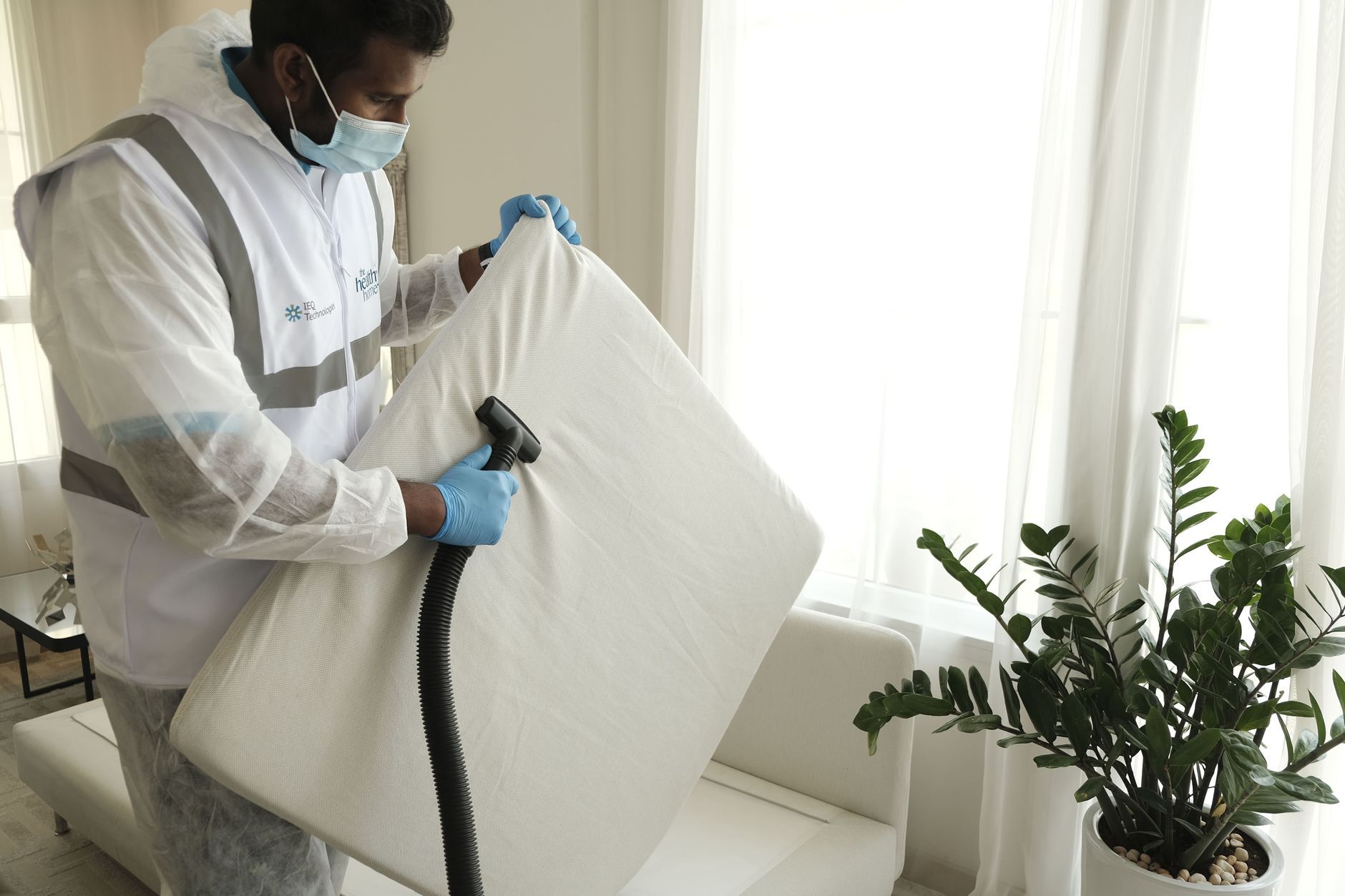
Using your vacuum cleaner with the upholstery attachment, thoroughly vacuum the entire surface of your mattress.
Pay attention to seams, edges, and tufts where dust and allergens tend to accumulate.
This step is crucial for removing loose particles that could interfere with stain removal or be pushed deeper into the fabric.
Crucially, always spot-test any cleaning solution you plan to use in an inconspicuous area of the mattress, such as a corner or the underside.
This is a vital precaution to ensure that the solution doesn’t cause discoloration, damage, or leave a residue that’s difficult to remove.
Wait for the tested area to dry completely before proceeding with the actual stain treatment.
Step-by-Step Instructions
- Vacuum the entire mattress surface thoroughly.
- Identify the stain and its type if possible.
- Test your chosen cleaning solution on a small, hidden area of the mattress.
DIY Mattress Stain Remover: Baking Soda Method
Baking soda is a true hero in the home cleaning arsenal, and for good reason.
Its natural properties make it an excellent deodorizer and a gentle abrasive, perfect for lifting various types of stains from fabrics without causing damage.
It’s particularly effective at absorbing moisture and neutralizing unpleasant odors, making it a go-to solution for many mattress woes.
When applied to a damp stain, baking soda works by absorbing the moisture and breaking down the odor-causing compounds.
This dual action helps to lift the stain while simultaneously tackling any lingering smells.
Here’s how to use baking soda for stain removal and odor absorption:.
Step-by-Step Instructions
- For liquid spills, blot up as much as possible with clean cloths or paper towels.
- Sprinkle a generous amount of baking soda directly onto the stain, or mix baking soda with a small amount of water to create a paste.
- Let the baking soda sit on the stain for at least 30 minutes (or longer for tougher stains) to absorb moisture and odors.
- Vacuum up the dried baking soda thoroughly.
- If the stain persists, repeat the process or move to another method.
DIY Mattress Stain Remover: Vinegar Solution
White vinegar is another powerhouse natural cleaner, revered for its acidic properties.
This acidity is key to its effectiveness, as it can break down a wide range of stains, dissolve mineral deposits, and, importantly, kill bacteria and other microorganisms that can contribute to odors and unsanitary conditions.
Its natural disinfecting qualities make it a great choice for maintaining a hygienic sleep surface.
Creating a diluted vinegar solution is simple and effective for cleaning various types of stains.
The dilution ensures that the acidic nature of the vinegar is potent enough to tackle the stain without being overly harsh on the mattress fabric.
Follow these instructions for applying the vinegar solution:.
Step-by-Step Instructions
- Mix equal parts distilled white vinegar and water in a spray bottle.
- Lightly spray the stained area, avoiding oversaturation.
- Allow the solution to sit for 5-10 minutes.
- Blot the stain with a clean, damp cloth, working from the outside in.
- Rinse the area with a cloth dampened with plain water.
- Allow the mattress to air dry completely.
DIY Mattress Stain Remover: Dish Soap and Water
For those everyday spills and general grime that leaves greasy marks, a simple solution of mild dish soap and water can be surprisingly effective.
Dish soap is formulated to cut through grease and lift dirt from surfaces, making it a gentle yet powerful stain remover for your mattress.
The key to using this method effectively is to create a mild, sudsy solution and apply it sparingly.
Over-saturation with any liquid can lead to prolonged drying times and potential damage to the mattress’s internal structure, so always wring out your cleaning cloth thoroughly.
Save this post for later 📩
Not ready to read it all now? Send it to yourself and come back whenever you're ready.
Here’s how to use dish soap and water for stain removal:.
Step-by-Step Instructions
- Mix a few drops of mild liquid dish soap with cool water in a bowl.
- Dip a clean cloth into the soapy water and wring it out thoroughly to make it damp, not wet.
- Gently blot the stained area with the damp cloth.
- Use a separate clean, damp cloth to rinse the area of soap residue.
- Blot the area with a dry cloth to absorb excess moisture.
- Allow the mattress to air dry completely.
Specific Stain Removal Techniques
While general cleaning methods are helpful, some stains are more stubborn and require a targeted approach.
Different types of stains react best to specific treatments, so knowing the nature of the stain can be your biggest advantage.
Here, we address some of the most common and challenging stains and provide you with effective removal methods:.
– Urine Stains: These are common and can be particularly odor-intensive.
Enzyme cleaners are highly recommended as they break down the biological components of urine, eliminating both the stain and the odor at its source.
– Blood Stains: Cold water is your best friend here.
Hot water will ‘cook’ the protein in blood, setting the stain permanently.
Speed is also crucial.
– Sweat Stains: These can build up over time, leading to discoloration and odors.
A combination of common household ingredients can tackle them effectively.
– Food and Drink Spills: Depending on the nature of the spill (e.g., greasy, sugary, colored), different approaches may be needed.
– Ink Stains: These require prompt action and specific solvents to lift them without spreading.
Removing Urine Stains
- Blot up as much urine as possible immediately with paper towels.
- Sprinkle baking soda generously over the damp area and let it sit for several hours or overnight.
- Vacuum up the dried baking soda.
- Mix a solution of one part white vinegar to one part water in a spray bottle and lightly mist the area.
- Blot the area with a clean cloth.
- For stubborn odors and stains, consider using an enzymatic cleaner specifically designed for pet stains and odors.
- Allow the mattress to air dry completely.
Removing Blood Stains
- Act quickly! Fresh blood stains are much easier to remove.
- Use COLD water only. Hot water can set blood stains.
- Dampen a clean cloth with cold water and blot the stain gently.
- If the stain persists, create a paste of baking soda and cold water, apply it to the stain, let it dry, and then brush or vacuum it off.
- Alternatively, a solution of hydrogen peroxide (use with caution and test in an inconspicuous area first) can be applied with a cloth or cotton swab. Let it fizz, then blot with a clean cloth.
- Rinse the area with a cold, damp cloth and allow to air dry.
Removing Sweat Stains
- Mix a solution of 1 cup of hydrogen peroxide (3%), 1 tablespoon of liquid dish soap, and 1 tablespoon of baking soda in a spray bottle.
- Lightly spray the sweat-stained areas.
- Let the solution sit for about 30 minutes.
- Blot the area with a clean, damp cloth.
- Rinse with a cloth dampened with plain water and allow to air dry.
Removing Food and Drink Spills
- Blot up any excess liquid or solid material immediately.
- Use a mild dish soap and water solution (as described above) to gently blot the stain.
- For greasy stains, baking soda can be sprinkled on to absorb grease before cleaning.
- Rinse with a clean, damp cloth and allow to air dry.
Removing Ink Stains
- Act quickly before the ink dries completely.
- Apply rubbing alcohol or an alcohol-based hand sanitizer to a clean cloth or cotton swab.
- Gently blot the ink stain, working from the outside towards the center to avoid spreading.
- As the ink transfers to the cloth, switch to a clean section or a new cloth.
- Once the ink is lifted, blot the area with a cloth dampened with water to remove any residue.
- Allow to air dry. For tough ink stains, commercial stain removers designed for ink may be necessary (test first).
Commercial Mattress Stain Removers
While DIY solutions are effective for many stains, sometimes a commercial mattress stain remover can be a more convenient and potent option, especially for deeply set or particularly challenging stains.
These products are specifically formulated to break down tough stains and odors without damaging mattress materials.
When choosing a commercial product, always opt for one designed for upholstery or mattresses, and pay close attention to the ingredients and intended use.
Enzymatic cleaners are a particularly good choice for biological stains like urine, vomit, or blood.
These cleaners contain enzymes that effectively break down the proteins and organic matter responsible for the stain and odor, rather than just masking them.
Always follow the product instructions precisely, as they are designed for optimal performance and safety.
Here are the general steps for using commercial mattress stain removers:.
Step-by-Step Instructions
- Choose a reputable commercial mattress stain remover.
- Read and strictly follow the product’s instructions for application and safety precautions.
- Test the product on an inconspicuous area of the mattress first.
- Apply the cleaner as directed, typically by spraying or applying to a cloth.
- Blot or gently agitate the stain as instructed.
- Rinse or wipe away residue according to product directions.
- Allow the mattress to air dry completely.
Preventing Future Mattress Stains
The best approach to mattress stains is, of course, prevention.
By implementing a few simple habits and using protective gear, you can significantly reduce the chances of encountering stubborn stains and keep your mattress looking and feeling fresh for years to come.
Here are some actionable tips for stain prevention:.
– Invest in a high-quality, waterproof mattress protector.
This is the single most effective defense against spills, sweat, and other accidents.
Look for one that is breathable to maintain comfort.
– Clean up spills and accidents immediately.
The longer a spill sits, the deeper it penetrates, making it harder to remove.
Save this post for later 📩
Not ready to read it all now? Send it to yourself and come back whenever you're ready.
Keep cleaning supplies handy for quick action.
– Regularly vacuum your mattress.
Aim to do this at least once a month, or whenever you change your bedding.
This removes dust, allergens, and loose particles.
– Consider airing out your mattress periodically.
Removing your bedding and allowing the mattress to breathe for a few hours can help dissipate moisture and odors.
– Maintain good personal hygiene before sleeping.
While not always directly preventable, showering before bed can reduce the amount of body oils and sweat transferred to the mattress.
Step-by-Step Instructions
- Invest in a high-quality, waterproof mattress protector and use it consistently.
- Clean up spills and accidents immediately, before they have a chance to set.
- Regularly vacuum your mattress (at least once a month) to remove dust and allergens.
- Consider airing out your mattress by removing bedding.
- Maintain good personal hygiene before sleeping.
When to Call a Professional
While many mattress stains can be effectively tackled with DIY methods or commercial cleaners, there are instances when it’s best to call in the experts.
Attempting to clean certain types of stains or materials without the proper knowledge and equipment could potentially worsen the problem or even damage your mattress permanently.
You might consider professional mattress cleaning services if you are dealing with: extensive or deeply ingrained stains that haven’t responded to your best efforts, delicate mattress materials that are prone to damage from moisture or harsh chemicals, or severe odor issues that permeate the entire mattress and cannot be resolved with surface treatments.
Professionals have access to specialized equipment and cleaning solutions that can tackle these challenges safely and effectively.
Conclusion
A clean mattress is fundamental to achieving restorative sleep and maintaining a healthy home environment.
By understanding the nature of mattress stains and armed with the right removal techniques, you can effectively combat most common messes and restore your mattress to its fresh, pristine condition.
Remember the key takeaways: act fast when spills occur, choose the right method for the specific stain, and prioritize prevention with a good mattress protector and regular maintenance.
By following these guidelines, you can significantly extend the lifespan of your mattress, improve your sleep quality, and ensure a healthier sleeping space for you and your family.
Embrace these cleaning strategies, and enjoy the peace of mind that comes with a truly clean and comfortable mattress.