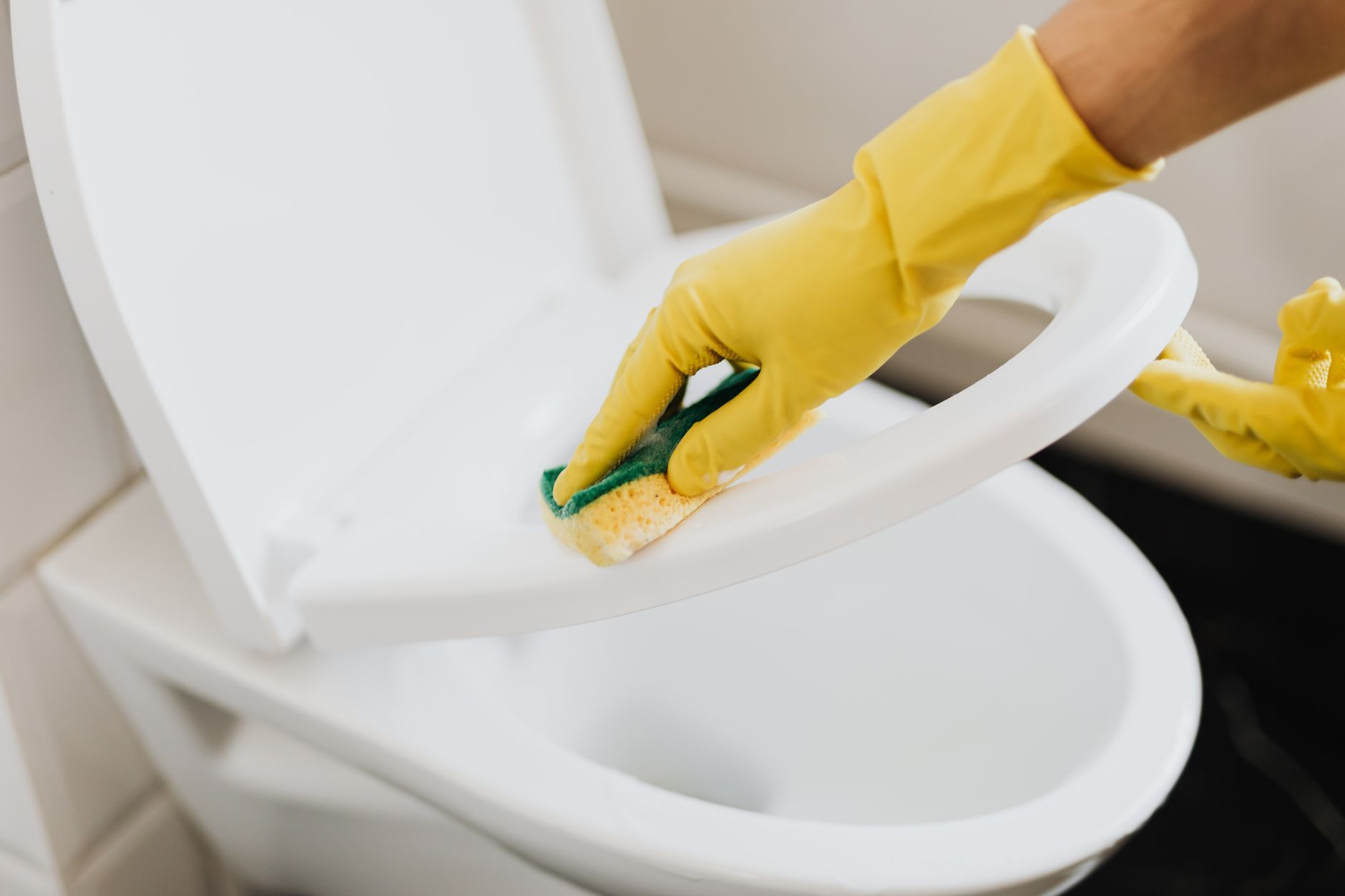
A clean toilet is more than just a pristine aesthetic; it’s a cornerstone of good hygiene in any home.
The often-unseen grime, lurking bacteria, and persistent odors can detract from your living space and even pose health risks.
Fortunately, the right toilet bowl cleaner is an indispensable ally in the fight for a sparkling, fresh, and hygienic bathroom.
This comprehensive guide will navigate you through the world of toilet bowl cleaners, from understanding the different types available to mastering their effective and safe usage.
Our goal is to empower you with the knowledge to banish stains, eliminate odors, and achieve that coveted sparkling clean toilet you can be proud of.
Table of Contents
Why Toilet Bowl Cleaning is Crucial
The hygienic importance of a clean toilet cannot be overstated.
Toilets, by their very nature, are breeding grounds for a multitude of bacteria, germs, and viruses.
These microorganisms, such as E.
coli, Salmonella, and Staphylococcus, can thrive in the damp environment and spread through splashes during flushing or even airborne particles.
An unclean toilet can contribute to the transmission of illnesses, particularly gastrointestinal infections.
Regular and thorough cleaning is essential to neutralize these harmful pathogens and create a healthier bathroom environment for everyone.
Beyond hygiene, a clean toilet significantly impacts the overall aesthetic and psychological well-being of your home.
A spotless, fresh-smelling toilet conveys a sense of order, cleanliness, and care.
Conversely, a dirty toilet can be off-putting, create an unpleasant atmosphere, and leave guests with a negative impression of your home.
The simple act of maintaining a clean toilet contributes to a more pleasant and inviting living space.
Common toilet bowl issues like unsightly rings, stubborn stains, and lingering odors are not just cosmetic nuisances.
These are often indicators of underlying issues with water quality, mineral buildup, or residual organic matter.
Save this post for later 📩
Not ready to read it all now? Send it to yourself and come back whenever you're ready.
Toilet bowl cleaners are specifically formulated to tackle these problems, restoring the toilet’s appearance and eliminating the sources of unpleasantness.
Types of Toilet Bowl Cleaners
Gel Cleaners: These viscous cleaners are designed to cling to the sides of the toilet bowl, allowing for extended contact time with the surface.
Their thick consistency ensures they don’t just run down the drain immediately, giving them ample opportunity to break down grime and disinfect.
They are typically applied under the rim, coating the entire bowl as they drip down.
Liquid Cleaners: The most common type, liquid toilet bowl cleaners, are easy to use and offer good coverage.
They often come in angled-neck bottles for convenient application under the rim.
Their formulations vary, with some focusing on disinfection, others on stain removal, and many offering a combination of both.
Tablet/Pod Cleaners: These are often placed directly into the toilet tank.
As the toilet is flushed, the tablet or pod dissolves, releasing cleaning agents into the bowl.
They offer convenience and continuous cleaning with each flush, though their cleaning power might be less intense for heavily soiled bowls compared to manual cleaners.
Some are designed to be placed directly in the bowl, offering a more concentrated cleaning action.
Powder Cleaners: These cleaners are typically sprinkled into the toilet bowl and then mixed with water, often forming a paste or lather.
They can be effective for tackling tougher stains due to their concentrated nature.
Once applied, they are allowed to sit before being scrubbed and flushed away.
Natural/DIY Cleaners: For those seeking gentler, eco-friendly options, natural cleaners made from common household ingredients like vinegar, baking soda, and essential oils are excellent alternatives.
These are often less harsh on surfaces and better for the environment, though they may require more elbow grease for stubborn stains.
Specialized Cleaners: Beyond general-purpose cleaners, there are specialized formulations designed to target specific problems.
These include cleaners formulated for hard water stains, which contain acids to dissolve mineral deposits, rust removers that tackle iron-based stains, and mold and mildew removers that use potent disinfectants to eliminate fungal growth.
Key Ingredients and Their Functions
Surfactants: These are the workhorses of most cleaning products.
Surfactants reduce the surface tension of water, allowing it to penetrate dirt and grease more effectively.
They help lift and suspend grime from surfaces, making it easier to rinse away.
Acids: Strong acids like hydrochloric acid or sulfuric acid are found in heavy-duty toilet bowl cleaners.
They are highly effective at dissolving tough stains caused by mineral deposits (hard water) and rust, as they chemically break down these stubborn substances.
Bleaching Agents: Sodium hypochlorite (chlorine bleach) is a common bleaching agent.
It’s excellent for disinfecting surfaces and whitening the bowl by breaking down colored stains and killing a broad spectrum of germs.
Disinfectants: Beyond bleach, other disinfectants like quaternary ammonium compounds (quats) are used.
These chemicals kill a wide range of bacteria and viruses, ensuring that the toilet bowl is not just clean but also sanitary.
Thickening Agents: Ingredients like xanthan gum or cellulose derivatives are used to give gel and some liquid cleaners their viscous consistency.
This thickening is crucial for allowing the cleaner to cling to the bowl’s vertical surfaces, maximizing contact time and effectiveness.
Fragrances: While not directly involved in cleaning, fragrances play a vital role in masking unpleasant odors and leaving the bathroom smelling fresh.
They are added to enhance the user experience.
How to Choose the Right Toilet Bowl Cleaner
Type and Severity of Stains: The first factor to consider is what you’re trying to clean.
Are you dealing with general grime, hard water rings, rust stains, or mold? For hard water and rust, a cleaner with acidic properties will be most effective.
For general cleaning and disinfection, a bleach-based or disinfectant cleaner might be suitable.
The severity of the stains will also dictate the strength of the cleaner needed.
Desired Features: Beyond basic cleaning, what else do you want from your cleaner? Do you prioritize strong disinfection, effective deodorizing, or an eco-friendly formulation? Many cleaners offer a combination of these features, so consider your priorities.
Toilet Bowl Materials: Most modern toilet bowls are made of porcelain, which is generally durable.
However, it’s always wise to check the product label to ensure the cleaner is safe for your toilet’s material.
Some older or specialty toilets might have different material compositions.
Reading Product Labels: This is a critical step.
Labels provide essential information about the cleaner’s intended use, key ingredients, instructions for use, and safety precautions.
Understanding the ingredient list can help you make an informed decision, especially if you have sensitivities or environmental concerns.
Personal Preferences: Ultimately, your personal preferences matter.
Do you prefer a particular scent, a foaming action, or a specific brand you trust? While effectiveness is paramount, comfort and enjoyment during cleaning can also be factors.
How to Use Toilet Bowl Cleaner Effectively
General Instructions: Always read and follow the manufacturer’s instructions on the product label.
Ensure good ventilation in the bathroom by opening a window or turning on the exhaust fan.
Never mix different cleaning products, especially bleach with acids, as this can create toxic fumes.
Wear gloves to protect your skin and consider eye protection.
Standard Liquid or Gel Cleaner:.
Flush the toilet to wet the bowl.
This helps the cleaner spread evenly.
Apply the cleaner under the rim of the toilet bowl, allowing it to drip down and coat the entire inner surface.
For best results, ensure it reaches all areas, including the waterline.
Allow the cleaner to sit for the recommended time specified on the product label.
This dwell time is crucial for the cleaner to effectively break down stains and disinfect.
Scrub the bowl thoroughly with a toilet brush.
Pay special attention to the waterline, any visible stains, and areas where grime tends to accumulate.
The brush helps to loosen and remove the dissolved dirt.
Flush the toilet to rinse away the cleaner and any loosened debris.
Observe the bowl to see if additional scrubbing or application is needed.
For stubborn stains, you may need to repeat the process.
Allowing the cleaner to sit for a longer duration (within safe limits) or using a more potent cleaner specifically designed for tough stains can also help.
Don’t forget the exterior! Wipe down the outside of the toilet, including the tank, lid, seat, and handle, with a disinfectant wipe or spray to ensure complete cleanliness.
Tablet or Pod Cleaners: Follow the specific instructions for your chosen product.
Save this post for later 📩
Not ready to read it all now? Send it to yourself and come back whenever you're ready.
Typically, these are placed in the toilet tank.
With each flush, the cleaner is released into the bowl, providing continuous maintenance.
Powder Cleaners: Sprinkle the powder evenly into the toilet bowl, especially on stained areas.
Add a small amount of water to form a paste or lather.
Let it sit for the recommended time, then scrub and flush.
Step-by-Step Instructions
- Flush the toilet to wet the bowl.
- Apply the cleaner under the rim of the toilet bowl, ensuring it coats the entire inner surface.
- Allow the cleaner to sit for the recommended time (check product instructions).
- Scrub the bowl with a toilet brush, paying attention to the waterline and any stained areas.
- Flush the toilet again to rinse the cleaner and loosened grime.
- For stubborn stains, repeat the process or allow the cleaner to sit for a longer duration.
- Wipe down the exterior of the toilet with a disinfectant wipe or spray.
DIY and Natural Toilet Bowl Cleaning Solutions
The benefits of using natural cleaning solutions are numerous.
They are generally eco-friendly, meaning they are less harmful to aquatic life and break down more easily in the environment.
They also avoid the harsh chemicals found in many commercial cleaners, making them a safer choice for individuals with sensitivities or allergies, as well as for households with children and pets.
These solutions often rely on common, readily available ingredients.
Baking Soda and Vinegar Cleaner: This classic combination is a powerful natural cleaner.
Baking soda acts as a mild abrasive and deodorizer, while vinegar’s acidity helps break down grime and kill some bacteria.
Sprinkle baking soda generously around the toilet bowl, coating the sides.
Then, pour white vinegar over the baking soda.
The mixture will fizz, indicating it’s working.
Let it sit for 15-30 minutes, then scrub with a toilet brush and flush.
Vinegar and Essential Oil Cleaner: For added disinfecting power and a pleasant scent, you can infuse vinegar with essential oils.
Mix 1 cup of white vinegar with 10-15 drops of essential oil (such as tea tree, lemon, eucalyptus, or lavender) in a spray bottle.
Tea tree oil is known for its antimicrobial properties.
Spray this mixture generously inside the toilet bowl, let it sit for 15-30 minutes, scrub with a toilet brush, and flush.
You can also use this spray for general cleaning of the toilet exterior.
These natural alternatives are effective for general cleaning and tackling mild stains.
For more persistent or severe stains, you might need to repeat the process or allow the solutions to sit for longer periods.
They are a great way to maintain a clean toilet without resorting to harsh chemicals.
Step-by-Step Instructions
- For a baking soda and vinegar cleaner: Sprinkle baking soda generously around the toilet bowl. Pour white vinegar over the baking soda to create a fizzing reaction. Let it sit for 15-30 minutes. Scrub with a toilet brush and flush.
- For a vinegar and essential oil cleaner: Mix 1 cup of white vinegar with 10-15 drops of essential oil (e.g., tea tree, lemon, eucalyptus) in a spray bottle. Spray generously inside the toilet bowl, let sit for 15-30 minutes, scrub with a toilet brush, and flush.
Safety Precautions for Using Toilet Bowl Cleaners
Ventilation is Key: Always ensure the bathroom is well-ventilated when using chemical toilet bowl cleaners.
Open windows, use exhaust fans, or leave the door ajar to allow fumes to dissipate.
This is crucial to prevent respiratory irritation and discomfort.
Never Mix Products: This is perhaps the most important safety rule.
Mixing different cleaning chemicals, especially bleach with acidic cleaners (like some toilet bowl cleaners), can produce chlorine gas, which is highly toxic and can cause severe respiratory damage or even be fatal.
Always use one product at a time and rinse thoroughly between applications if necessary.
Wear Protective Gear: Protect your skin and eyes.
Wear rubber gloves to prevent skin irritation or chemical burns.
Safety goggles or glasses are recommended to protect your eyes from splashes.
Keep Out of Reach: Toilet bowl cleaners are often corrosive or toxic.
Store them securely in their original containers, away from children and pets.
Ensure they are in a locked cabinet or on a high shelf where they cannot be accessed.
First Aid: In case of accidental contact with skin, wash the affected area immediately with plenty of soap and water.
If in eyes, rinse thoroughly with water for at least 15 minutes and seek medical attention.
If inhaled, move to fresh air and seek medical attention if breathing difficulties arise.
If ingested, do not induce vomiting; rinse the mouth and seek immediate medical attention.
Troubleshooting Common Toilet Bowl Cleaning Issues
Persistent Hard Water Rings: These are caused by mineral deposits left behind by water.
For persistent rings, you might need a cleaner specifically formulated for hard water, containing acids like hydrochloric acid.
For less severe rings, a paste of baking soda and vinegar left to soak can be effective.
You might also need to use a pumice stone designed for toilet bowls (ensure it’s wet and used gently to avoid scratching).
Dealing with Rust Stains: Rust stains are often caused by iron in the water.
Specialized rust removers are available, or you can try acidic cleaners.
Save this post for later 📩
Not ready to read it all now? Send it to yourself and come back whenever you're ready.
A paste of lemon juice and salt left on the stain for a few hours can also help break it down.
Removing Mold and Mildew: These thrive in damp environments.
A cleaner with bleach or a dedicated mold and mildew remover is usually necessary.
Ensure good ventilation during application.
For persistent issues, check for leaks or poor ventilation in the bathroom.
Eliminating Persistent Odors: Odors can be a sign of underlying issues.
Ensure you are cleaning the entire bowl, including under the rim.
If odors persist, it might indicate a problem with the drain or wax ring seal.
Using a cleaner with strong deodorizing properties can help in the short term.
Baking soda left in the bowl overnight can also absorb odors.
When to Call a Professional: If you’ve tried various methods and your toilet bowl still has stubborn stains, recurring mold, or persistent odors, it might be time to consult a plumber or a professional cleaning service.
They can diagnose and address underlying issues such as plumbing problems or significant mineral buildup that DIY methods cannot resolve.
Maintaining a Clean Toilet Between Deep Cleans
Daily or Weekly Quick Cleaning: A quick wipe down of the toilet seat and exterior with a disinfectant wipe daily can make a big difference.
A weekly brush of the bowl, even without cleaner, helps prevent buildup.
In-Tank Cleaners: Automatic toilet bowl cleaners that you place in the tank can provide continuous cleaning with each flush.
These release cleaning agents, helping to prevent stains and keep the bowl fresh.
Be mindful that some can be harsh on tank components over time.
Wiping the Exterior: Regularly wipe down the toilet’s exterior – the tank, lid, seat, base, and handle – with a disinfectant spray or wipe.
This is often overlooked but crucial for overall hygiene.
Preventing Stains and Odors: Addressing issues like hard water promptly can prevent rings from becoming permanent.
Ensuring good ventilation in the bathroom helps minimize mold and mildew growth.
Regularly checking for and fixing any leaks also contributes to a drier, less odor-prone environment.
Conclusion
A truly clean toilet is a testament to effective hygiene practices and the right cleaning tools.
We’ve explored the critical importance of keeping our toilets clean, the diverse range of toilet bowl cleaners available, and the science behind their effectiveness.
Understanding the ingredients and knowing how to choose the right product for your specific needs are paramount.
We’ve also armed you with practical, step-by-step guides for using cleaners effectively and safely, along with valuable insights into natural alternatives and how to tackle persistent cleaning challenges.
The key takeaways are clear: always prioritize safety, read labels, match the cleaner to the problem, and maintain consistency.
By implementing the tips and techniques shared in this guide, you can confidently achieve and maintain a sparkling, odor-free, and hygienic toilet.
Embrace the power of the right toilet bowl cleaner and transform your bathroom into a space you can truly feel good about.