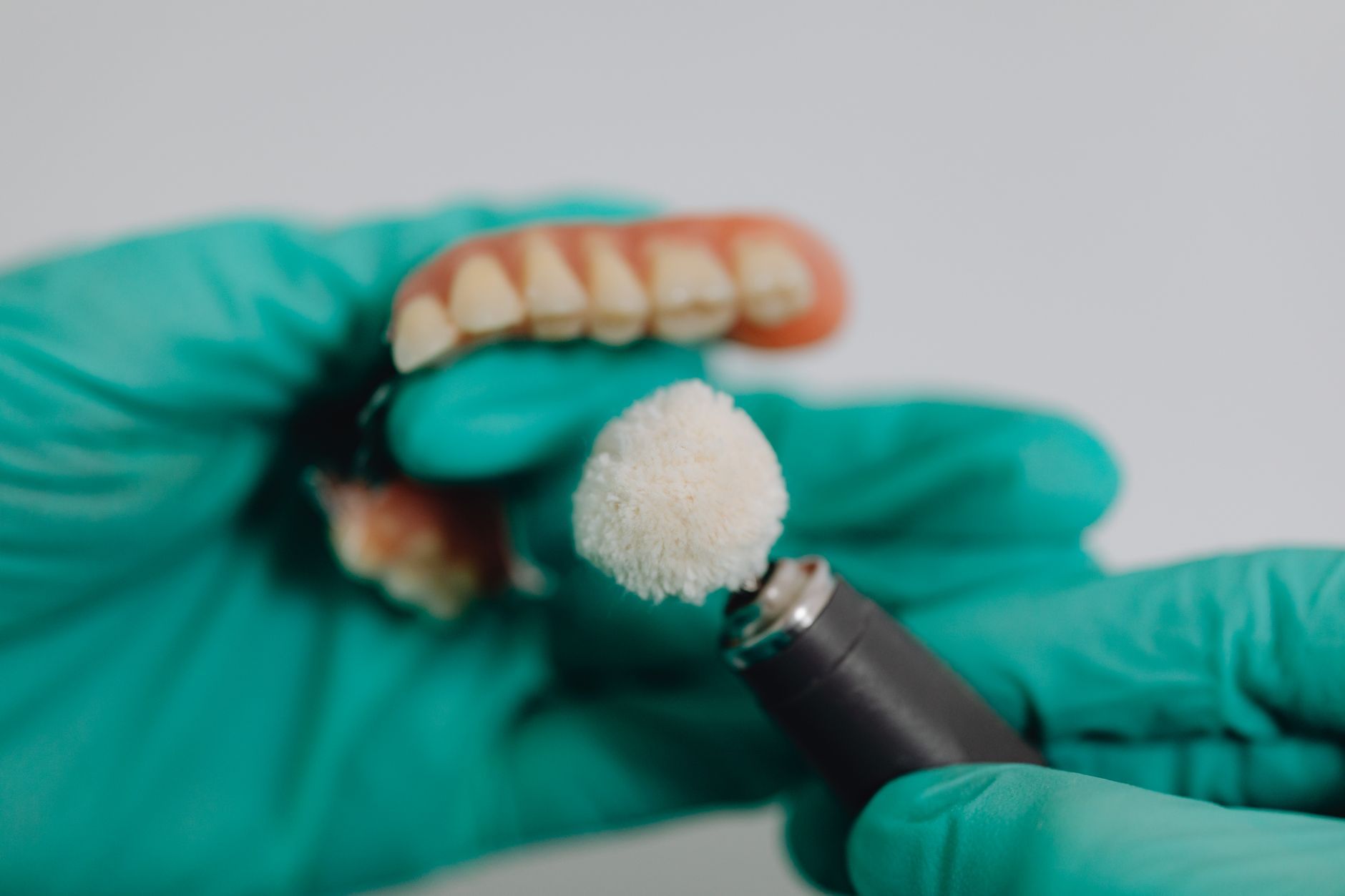
Maintaining good oral hygiene is paramount for overall health and, of course, for a confident smile.
For those who wear dentures, this means paying extra attention to cleaning and care.
While commercial denture cleaners are readily available, they can often be costly and may contain harsh chemicals that some individuals prefer to avoid.
Fortunately, the solution to sparkling, fresh dentures can be found right in your pantry! This guide will explore effective, affordable, and natural homemade denture cleaner recipes, answering the crucial question: how can you effectively and safely clean your dentures at home?.
Table of Contents
Why Regular Denture Cleaning is Crucial
Over time, dentures, much like natural teeth, become a breeding ground for plaque, bacteria, and lingering food particles.
This accumulation can lead to a variety of oral health issues.
Poor denture hygiene can result in unpleasant consequences.
These include persistent bad breath (halitosis), a condition known as denture stomatitis (which can manifest as red, sore areas in the mouth or even oral thrush), and an increased susceptibility to other infections.
Your oral health is intrinsically linked to your general well-being, making diligent cleaning essential.
Save this post for later 📩
Not ready to read it all now? Send it to yourself and come back whenever you're ready.
Beyond preventing disease and discomfort, consistently clean dentures contribute significantly to your overall health and well-being.
They allow you to eat comfortably, speak clearly, and maintain your self-esteem.
It’s also important to note that if not cleaned properly, dentures can begin to harbor unpleasant odors, which can be embarrassing and detract from your confidence.
Understanding Denture Cleaning Ingredients
Fortunately, several common household ingredients are not only safe but also remarkably effective for cleaning dentures.
These natural powerhouses offer various benefits for maintaining your oral appliances.
Let’s explore some of these key ingredients and their properties:
* Baking Soda (Sodium Bicarbonate): A gentle, natural abrasive that helps to scrub away plaque and stains without scratching.
It’s also a fantastic deodorizer, neutralizing odors.
* White Vinegar: Its acetic acid content makes it an excellent disinfectant and a natural solution for breaking down stubborn mineral deposits and stains.
* Hydrogen Peroxide (3% Solution): A well-known disinfectant, hydrogen peroxide effectively kills bacteria and helps to lift stains, leaving dentures feeling fresh and clean.
* Salt: Acts as a mild abrasive and can assist in the cleaning process, particularly when combined with water to create a saline solution.
While many household items are beneficial, it’s crucial to know which ones to avoid.
Harsh abrasive cleaners, such as scouring powders or stiff-bristled brushes, can scratch and damage the acrylic material of your dentures, leading to a dull finish and making them more prone to future staining and bacterial buildup.
Bleach should also be strictly avoided.
It can discolor and weaken the denture material, and if accidentally ingested, can be harmful.
Always opt for gentle, natural solutions.
Gentle Yet Effective: Baking Soda Denture Soak
Baking soda is a true kitchen staple with remarkable cleaning capabilities.
Its fine, granular texture makes it a wonderfully mild abrasive, capable of gently scrubbing away the daily buildup of plaque and food debris.
More than just an abrasive, baking soda is also a powerful natural deodorizer, effectively neutralizing any lingering odors that can plague dentures.
By utilizing baking soda, you can effectively remove common stains and plaque without the risk of damaging the delicate material of your dentures, ensuring they remain in pristine condition.
Step-by-Step Instructions
- Gather your materials: 1 teaspoon of baking soda, 1 cup of warm water, and a clean container suitable for soaking your dentures.
- In your chosen container, dissolve the baking soda completely in the warm water. Ensure there are no undissolved granules.
- Carefully place your dentures into the baking soda solution and let them soak for a duration of 15 to 30 minutes. This allows the solution to work its magic.
- After the soaking period, gently brush your dentures with a soft-bristled toothbrush to remove any loosened debris. Rinse them thoroughly with cool, running water before wearing them.
The Power of Vinegar: Natural Disinfection and Stain Removal
White vinegar, a common household condiment, possesses a secret weapon: its natural acetic acid.
This component is highly effective at disinfecting your dentures, killing harmful bacteria that can thrive on the denture surfaces.
Furthermore, the acetic acid works to break down stubborn mineral deposits and common stains that can accumulate over time, restoring a cleaner appearance to your dentures.
It’s important to use vinegar in a diluted form to ensure it remains safe for your denture material.
A recommended safe dilution ratio is 1 part white vinegar to 2 parts water.
This concentration provides effective cleaning power without posing a risk of damage.
Step-by-Step Instructions
- Gather your materials: 1 part white vinegar, 2 parts water, and a clean container for soaking.
- In your soaking container, combine the white vinegar and water according to the recommended ratio.
- Submerge your dentures completely in the prepared vinegar and water solution. Allow them to soak for 15 to 30 minutes.
- Following the soak, gently brush your dentures with a soft toothbrush to remove any remaining debris and rinse them thoroughly with cool water.
Hydrogen Peroxide for Deep Cleaning and Disinfection
Hydrogen peroxide is a widely recognized household disinfectant, and its properties extend to denture care.
Its effervescent action and oxidizing power make it highly effective at killing bacteria and other microorganisms that can colonize denture surfaces.
It also plays a role in lifting and removing stains, contributing to a brighter, cleaner look.
It is crucial to use a diluted solution of hydrogen peroxide, as the concentrated form can be too harsh.
Always remember to rinse your dentures thoroughly after using hydrogen peroxide to remove any residual solution before inserting them into your mouth.
Step-by-Step Instructions
Save this post for later 📩
Not ready to read it all now? Send it to yourself and come back whenever you're ready.
- Gather your materials: a 3% hydrogen peroxide solution, water, and a clean container for soaking.
- Mix equal parts of the 3% hydrogen peroxide solution and water in your soaking container.
- Soak your dentures in this diluted hydrogen peroxide solution for a period of 15 to 30 minutes.
- After soaking, gently brush your dentures with a soft toothbrush. Rinse them extremely thoroughly with cool water to ensure no peroxide residue remains before placing them in your mouth.
A Combination Approach: Baking Soda and Vinegar
Harnessing the power of two household heroes, baking soda and vinegar, can create a potent yet natural cleaning duo.
When combined, these ingredients produce a gentle fizzing action that is excellent at lifting debris and loosening particles that may be adhered to your dentures.
This effervescence helps to dislodge impurities, making them easier to remove.
This method combines the deodorizing and mild abrasive qualities of baking soda with the disinfecting and stain-lifting properties of vinegar for a comprehensive clean.
Step-by-Step Instructions
- Gather your materials: baking soda, white vinegar, warm water, and a clean container.
- Wet your dentures and sprinkle a small amount of baking soda onto them.
- Gently brush your dentures with a soft toothbrush, allowing the baking soda to work on any surface debris.
- Rinse the dentures thoroughly with water to remove the baking soda.
- Prepare a soaking solution by mixing 1 part white vinegar with 2 parts water in your container.
- Soak the dentures in this vinegar solution for 15 to 30 minutes.
- Brush again briefly with your soft toothbrush and then rinse thoroughly with cool water.
Salt Solution for Gentle Cleaning
Salt, a common culinary ingredient, offers a surprisingly effective and gentle cleaning option for dentures.
Its crystalline structure provides a mild abrasive quality, helping to polish and remove surface stains without causing damage.
When dissolved in water, it creates a saline solution that is also known for its mild cleansing properties.
Preparing a saline soak is straightforward and provides a simple, natural way to maintain your dentures’ cleanliness.
Step-by-Step Instructions
- Gather your materials: 1 teaspoon of salt, 1 cup of warm water, and a clean container for soaking.
- In your container, dissolve the salt completely in the warm water, ensuring no salt crystals remain at the bottom.
- Submerge your dentures in the prepared salt solution and allow them to soak for a duration of 15 to 30 minutes.
- After soaking, gently brush your dentures with a soft-bristled toothbrush to remove any loosened particles and rinse them thoroughly with cool water.
Tips for Optimal Denture Care
For the best results and to keep your dentures in top condition, establish a daily cleaning routine.
This should include brushing your dentures after meals to remove any food particles and soaking them overnight in a suitable cleaning solution.
It’s vital to use a soft-bristled toothbrush specifically designed for dentures or a very soft regular toothbrush.
When selecting a cleaner, always opt for a non-abrasive solution.
Harsh cleaners can damage the denture material.
Proper storage of dentures overnight is crucial.
Most dentists recommend soaking them in a cleaning solution or plain water to prevent them from drying out and becoming brittle.
Ensure the container is clean.
Always rinse your dentures thoroughly with cool water after cleaning and before inserting them into your mouth.
This removes any residual cleaning agents.
Don’t forget the importance of regular check-ups with your dentist.
They can provide professional cleaning, identify any issues with your dentures, and ensure they fit correctly.
Professional examinations are key to long-term oral health.
Save this post for later 📩
Not ready to read it all now? Send it to yourself and come back whenever you're ready.
When to Seek Professional Advice
While these homemade remedies are excellent for routine cleaning, there are times when professional help is necessary.
If you notice persistent stains that won’t budge, experience discomfort or irritation when wearing your dentures, or observe any signs of infection such as persistent redness or sores in your mouth, it’s essential to consult your dentist.
It’s important to reiterate that these homemade recipes are intended as supplementary cleaning methods and should not be considered a replacement for professional dental care.
Your dentist is your best resource for maintaining the health of your mouth and the condition of your dentures.
Your dentist can also provide specific advice tailored to the materials used in your particular dentures.
They can guide you on the most effective and safest cleaning methods to prolong the life and effectiveness of your oral appliances.
Conclusion
Embracing homemade denture cleaners offers a wealth of benefits.
They are affordable, allowing you to maintain impeccable hygiene without a significant financial outlay.
They utilize natural ingredients, reducing exposure to potentially harsh chemicals often found in commercial products.
And, as we’ve seen, they are remarkably effective at keeping your dentures clean, fresh, and comfortable.
Maintaining good oral hygiene, including the meticulous care of your dentures, is fundamental to your overall health and well-being.
Clean dentures contribute not only to your physical comfort but also to your confidence and quality of life.
We encourage you to explore these simple yet powerful natural methods.
By incorporating them into your daily routine, you can achieve a fresh, clean smile that you can be proud of.
Taking control of your denture care with these homemade solutions empowers you to prioritize your oral health and embrace the confidence that comes with a sparkling, well-maintained smile.