Tired of dull, dusty furniture? Revitalizing your cherished wooden pieces doesn’t have to be a chore or a costly endeavor.
With simple, everyday household items, you can whip up effective and natural wood polishes that not only restore shine but also nourish and protect your furniture.
Say goodbye to harsh chemicals and expensive store-bought concoctions.
This guide will walk you through easy, DIY homemade wood polish recipes that are cost-effective, eco-friendly, and wonderfully effective.
Get ready to give your wood furniture a new lease on life!.
Table of Contents
Why Use Homemade Wood Polish?
When it comes to caring for your wood furniture, homemade polishes offer a host of advantages over their commercial counterparts.
The most compelling benefit is the use of natural, non-toxic ingredients.
Unlike many store-bought polishes that contain synthetic fragrances, petroleum distillates, and silicones, DIY recipes rely on safe, edible oils, vinegars, and natural waxes.
This makes them a healthier choice for your home and family, especially if you have children or pets.
Furthermore, these natural ingredients work to nourish and protect wood by replenishing lost moisture and creating a protective barrier against everyday wear and tear.
You’ll find that the cost savings are significant, as you’re likely already stocking many of the required ingredients in your pantry.
Opting for DIY also contributes to environmental benefits by reducing packaging waste and avoiding the production of potentially harmful chemicals.
Making your own wood polish is a simple yet rewarding way to care for your furniture.
Save this post for later 📩
Not ready to read it all now? Send it to yourself and come back whenever you're ready.
Natural ingredients are gentle on wood and safe for your home.
These polishes help maintain the beauty and longevity of your wood pieces.
Save money by utilizing items you already have.
Reduce your environmental footprint with eco-conscious cleaning solutions.
Essential Ingredients for Homemade Wood Polish
The magic of homemade wood polish lies in the power of simple, readily available ingredients.
Olive oil is a superstar, acting as a natural moisturizer that penetrates the wood to restore its suppleness and prevent dryness.
Its natural compounds also add a beautiful sheen.
Vinegar, particularly white vinegar, is a fantastic natural cleaner that cuts through grease and grime without stripping the wood’s finish.
When combined with oil, it creates a balanced solution that cleans and conditions.
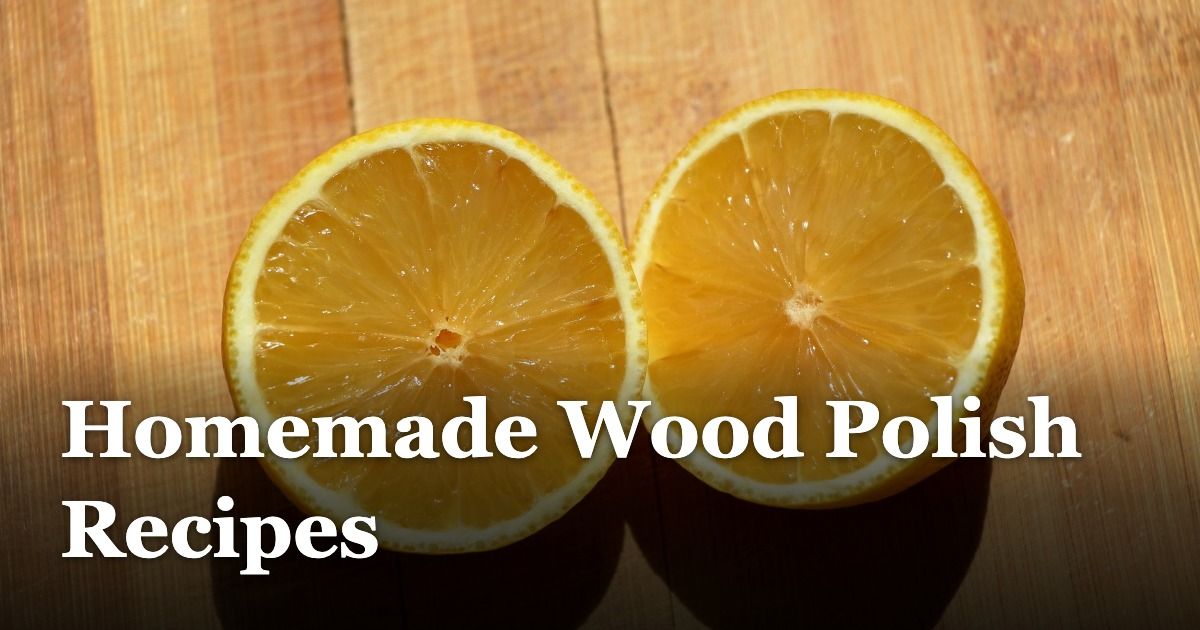
Lemon juice not only adds a fresh scent but also contains mild acidic properties that can help lift dirt and add a subtle brightness.
For a more durable finish and added protection, beeswax is an invaluable ingredient.
It creates a protective barrier that repels water and dust, while also adding a lovely luster.
Other oils like mineral oil or almond oil can also be used as alternatives to olive oil, depending on what you have on hand.
The key is to select high-quality, natural ingredients to ensure the best results for your wood.
Olive oil: Provides moisture and a natural shine.
Vinegar (white): Acts as a gentle cleaner, removing dirt and grime.
Lemon juice: Adds a fresh scent and can help brighten the wood.
Beeswax: Offers deeper conditioning and a protective, water-repellent finish.
Mineral oil or almond oil: Good alternatives for moisturizing.
Always choose pure, unadulterated ingredients for optimal benefits.
Simple Lemon Oil and Olive Oil Polish
This is perhaps the most straightforward and effective wood polish recipe, perfect for regular maintenance and achieving a subtle, healthy shine.
It’s incredibly easy to make and uses just two common kitchen staples.
The olive oil moisturizes and conditions, while the lemon juice acts as a mild cleaner and brightener, leaving your furniture looking refreshed and vibrant.
Materials: 1/2 cup olive oil, 1/4 cup lemon juice, soft cloths.
Instructions: Combine olive oil and lemon juice in a small bowl.
Stir well.
Apply a small amount of the mixture to a soft cloth.
Rub the cloth onto the wood surface in the direction of the grain.
Allow to sit for a few minutes.
Buff with a clean, dry cloth until a shine appears.
Step-by-Step Instructions
- Materials: 1/2 cup olive oil, 1/4 cup lemon juice, soft cloths.
- Instructions: Combine olive oil and lemon juice in a small bowl. Stir well.
- Apply a small amount of the mixture to a soft cloth.
- Rub the cloth onto the wood surface in the direction of the grain.
- Allow to sit for a few minutes.
- Buff with a clean, dry cloth until a shine appears.
Beeswax and Oil Wood Polish
For furniture that needs a little extra TLC, a beeswax and oil polish is your go-to.
This recipe provides deeper conditioning and protection, thanks to the natural properties of beeswax.
Beeswax forms a subtle, protective barrier on the wood’s surface, helping to repel moisture, prevent scratches, and give it a beautiful, long-lasting sheen.
This is ideal for wood that might be exposed to more wear and tear or for periodic deep conditioning.
Materials: 1/4 cup beeswax pellets or shavings, 1/2 cup olive oil or mineral oil, double boiler or heat-safe bowl over simmering water, stirring utensil, storage container.
Instructions: Gently melt the beeswax in the double boiler.
Once melted, slowly stir in the oil until well combined.
Remove from heat and let it cool slightly.
Pour into a storage container.
Allow to cool and solidify completely before use.
Apply a small amount to a cloth and rub into the wood.
Let it penetrate for 10-15 minutes.
Buff with a clean, dry cloth.
Step-by-Step Instructions
- Materials: 1/4 cup beeswax pellets or shavings, 1/2 cup olive oil or mineral oil, double boiler or heat-safe bowl over simmering water, stirring utensil, storage container.
- Instructions: Gently melt the beeswax in the double boiler.
- Once melted, slowly stir in the oil until well combined.
- Remove from heat and let it cool slightly.
- Pour into a storage container.
- Allow to cool and solidify completely before use.
- Apply a small amount to a cloth and rub into the wood.
- Let it penetrate for 10-15 minutes.
- Buff with a clean, dry cloth.
Vinegar and Oil Wood Cleaner and Polish
This versatile recipe offers the best of both worlds: it cleans and polishes in one easy step.
Save this post for later 📩
Not ready to read it all now? Send it to yourself and come back whenever you're ready.
The vinegar effectively breaks down dirt and grime, making it a great cleaner for everyday smudges and sticky residues.
The oil then steps in to nourish and shine, leaving the wood conditioned and protected.
This is perfect for surfaces that tend to accumulate dust and fingerprints, providing a quick refresh.
Materials: 1 cup olive oil, 1/2 cup white vinegar, spray bottle, soft cloths.
Instructions: Mix olive oil and white vinegar in the spray bottle.
Shake well before each use.
Lightly spray onto the wood surface.
Wipe with a soft cloth, following the grain.
Buff with a clean, dry cloth to enhance shine.
Step-by-Step Instructions
- Materials: 1 cup olive oil, 1/2 cup white vinegar, spray bottle, soft cloths.
- Instructions: Mix olive oil and white vinegar in the spray bottle.
- Shake well before each use.
- Lightly spray onto the wood surface.
- Wipe with a soft cloth, following the grain.
- Buff with a clean, dry cloth to enhance shine.
Coffee and Olive Oil Wood Polish
Looking for a unique way to enhance your wood furniture? This coffee and olive oil wood polish not only cleans and shines but can also add a subtle tint, making it particularly suitable for darker woods.
The natural oils in the coffee grounds, combined with olive oil, help to condition the wood, while the fine grounds act as a gentle abrasive to lift away dullness.
This recipe can help revive the rich tones of mahogany, walnut, or cherry wood.
Materials: 1/4 cup used coffee grounds (damp, not wet), 1/4 cup olive oil, soft cloth.
Instructions: Mix the damp coffee grounds and olive oil into a paste.
Apply the paste to a soft cloth.
Gently rub onto the wood surface in the direction of the grain.
Allow to sit for a few minutes to allow the oils to penetrate and color to transfer.
Wipe away excess coffee grounds with a clean, damp cloth.
Buff with a dry cloth until a shine is achieved.
Step-by-Step Instructions
- Materials: 1/4 cup used coffee grounds (damp, not wet), 1/4 cup olive oil, soft cloth.
- Instructions: Mix the damp coffee grounds and olive oil into a paste.
- Apply the paste to a soft cloth.
- Gently rub onto the wood surface in the direction of the grain.
- Allow to sit for a few minutes to allow the oils to penetrate and color to transfer.
- Wipe away excess coffee grounds with a clean, damp cloth.
- Buff with a dry cloth until a shine is achieved.
Tips for Applying Homemade Wood Polish
To achieve the best results with your homemade wood polishes, a few simple techniques can make a world of difference.
Always start by testing in an inconspicuous area first.
This is crucial to ensure the polish doesn’t negatively react with your wood’s finish.
Remember to always work in the direction of the grain of the wood; this prevents scratching and ensures an even application.
When applying, use a soft, lint-free cloth and apply only a small amount of polish at a time.
Over-application can lead to a sticky residue.
Buffing is key to bringing out the shine – use a clean, dry cloth and rub gently in circular motions until you achieve the desired luster.
The frequency of application will depend on the type of wood, its finish, and the environment, but generally, polishing once every 1-3 months is sufficient for most furniture.
For high-traffic items, more frequent light dusting and occasional polishing may be needed.
Always test any new polish on a hidden spot.
Apply polish in the direction of the wood grain.
Use minimal product on your cloth for even coverage.
Buff thoroughly with a clean, dry cloth for maximum shine.
Polish as needed, typically every few months.
Save this post for later 📩
Not ready to read it all now? Send it to yourself and come back whenever you're ready.
When to Avoid Certain Ingredients
While homemade wood polishes are generally safe and beneficial, it’s important to be aware of certain wood types and finishes.
Raw wood or unfinished wood may absorb oils more readily and could benefit from more frequent conditioning, but be cautious with highly acidic ingredients like pure lemon juice as they could potentially etch the surface.
Delicate or antique finishes might be sensitive to certain oils or acidic components.
For example, some very old or fragile finishes might react poorly to vigorous rubbing or strong solvents.
Always err on the side of caution.
Patch testing is your best friend here.
If you’re unsure about a particular ingredient or your wood’s finish, test a small, hidden area first.
If you notice any discoloration, dulling, or adverse reaction, discontinue use of that particular recipe for that piece.
Be mindful of raw or unfinished wood; it can be more absorbent.
Avoid harsh acids on delicate or antique finishes.
Always perform a patch test before full application.
If a wood type seems sensitive, opt for simpler oil-based polishes.
Conclusion
As you can see, revitalizing your furniture with homemade wood polish is incredibly easy, affordable, and rewarding.
You can achieve beautiful, healthy-looking wood furniture without resorting to harsh chemicals or expensive products.
By harnessing the power of simple ingredients found in most kitchens, you can nourish, protect, and enhance the natural beauty of your wooden pieces.
So, gather your olive oil, vinegar, and perhaps some beeswax, and give these recipes a try! The satisfaction of caring for your home with your own hands, knowing you’re using safe and effective methods, is truly unmatched.
Enjoy your beautifully polished furniture!.
Embrace the simplicity and effectiveness of DIY wood care.
Enjoy the cost savings and peace of mind that natural ingredients provide.
Experiment with different recipes to find your favorites.
Revel in the beauty of your revitalized furniture.